
Table of Contents
Insights from Aminu Tambuwal on Nigeria’s Electoral Integrity and Political Party Dynamics
Election Outcomes: Beyond the Ballot Box
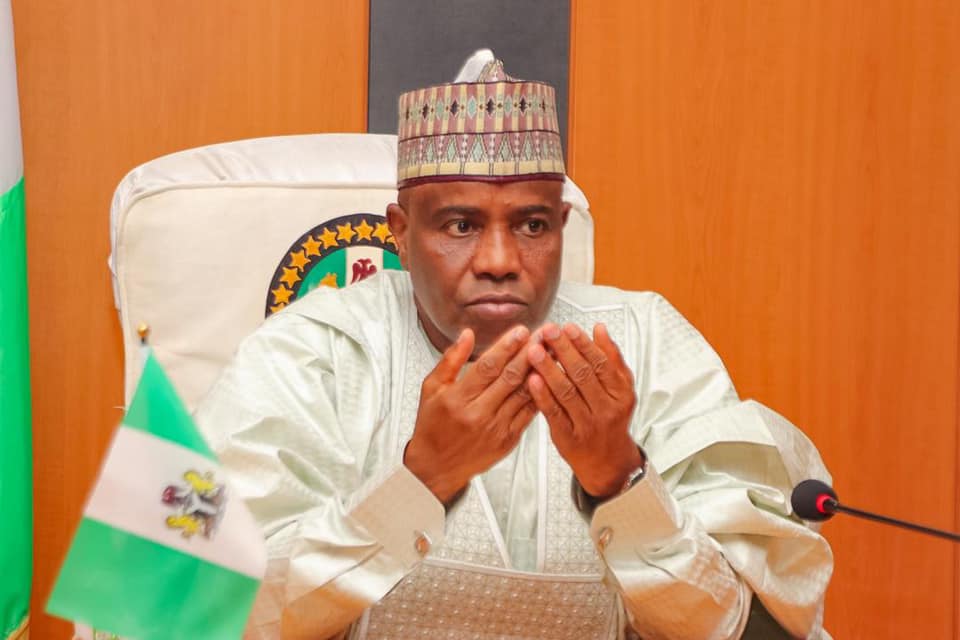
Aminu Tambuwal, former Governor of Sokoto State and ex-Speaker of Nigeria’s House of Representatives, recently highlighted concerns about the authenticity of election results in Nigeria. Speaking on January 12 during an interview on Prime Time, a political show broadcast on Arise Television, Tambuwal emphasized that the will of Nigerian voters does not always translate directly into election outcomes.
“The electorate’s votes do not solely determine election results,” Tambuwal asserted candidly. He explained that irregularities frequently occur during the collation process at various administrative levels-ranging from polling units to national tallies-leading to discrepancies between actual votes cast and the final declared results.
Systemic Vulnerabilities and the Role of INEC
According to Tambuwal, political actors often exploit weaknesses within the electoral framework, particularly during vote collation and transmission phases, to manipulate outcomes. He also pointed to lapses within the Independent National Electoral Commission (INEC), suggesting that some officials may compromise the credibility of elections.
These challenges contribute to a persistent trust deficit in Nigeria’s democratic processes. Tambuwal’s observations align with recent reports from election monitoring groups, which have documented cases of vote tampering and logistical failures during elections.
Advocating for Electoral Reforms and Technological Solutions
Despite these challenges, Tambuwal expressed optimism about reform initiatives aimed at enhancing electoral transparency. He voiced strong support for the introduction of electronic transmission of results, a measure that experts argue could reduce human interference and accelerate result collation.
“I am fully in favor of reforms that will strengthen Nigeria’s electoral system, including the adoption of electronic result transmission,” he stated. This endorsement comes amid growing calls from civil society and international observers for Nigeria to modernize its electoral infrastructure to safeguard democracy.
Political Parties in Nigeria: Vehicles Without Ideology?
Shifting focus to the nature of political parties in Nigeria, Tambuwal critiqued the ideological foundations of most parties, describing them as mere instruments for personal or group ambitions rather than platforms grounded in clear political philosophies.
He questioned the coherence of party membership, citing the All Progressives Congress (APC) as an example. “If ideology truly guided parties, how do we explain President Muhammadu Buhari’s association with certain figures within the APC whose political stances seem contradictory?” Tambuwal queried, refraining from naming individuals but highlighting the incongruities.
Tambuwal further noted that even smaller parties like the African Democratic Congress (ADC), which emerged as a coalition, include members with divergent ideological backgrounds, underscoring the transactional nature of party affiliations in Nigeria.
Conclusion: The Path Forward for Nigerian Democracy
Aminu Tambuwal’s reflections shed light on the multifaceted challenges facing Nigeria’s electoral system and political landscape. Addressing systemic flaws, enhancing transparency through technology, and fostering genuine ideological commitment within parties are critical steps toward consolidating democracy in Nigeria.
As Nigeria prepares for upcoming elections, the implementation of robust reforms and the cultivation of principled political engagement will be essential to ensuring that the voice of the electorate is truly reflected in governance.
