
Table of Contents
US Weighs Military and Cyber Measures Amid Iran’s Widespread Protests
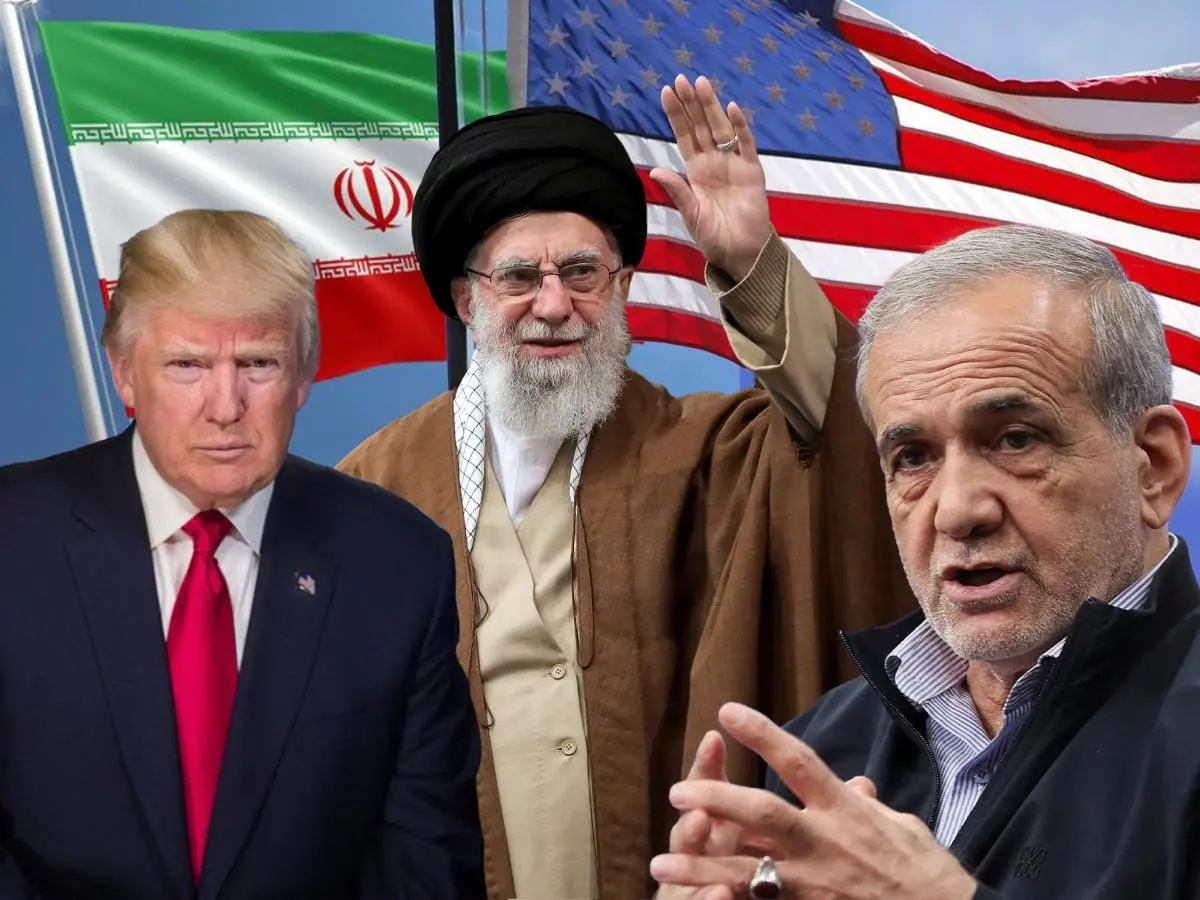
As Iran faces mounting civil unrest marked by widespread demonstrations and harsh government crackdowns, the United States is actively considering a range of responses. President Donald Trump has been briefed on various strategies, encompassing both military and non-military options, aimed at addressing the turmoil that has led to numerous casualties and thousands of arrests. Some proposals focus on targeting Tehran’s security forces responsible for suppressing dissent.
Assessing Military Intervention: Risks and Considerations
In recent days, the White House has deliberated potential military actions, including precision strikes against Iranian security entities. However, senior officials caution that such measures could backfire by fueling nationalist fervor within Iran or triggering retaliatory attacks against US interests. The administration remains wary that direct military involvement might inadvertently bolster the regime’s grip rather than empower the protest movement.
Leveraging Cyber Capabilities and Economic Pressure
Alongside conventional military options, US policymakers are exploring cyber operations designed to disrupt Iran’s command-and-control networks and digital infrastructure linked to regime enforcement. These cyber tactics aim to impair Tehran’s ability to coordinate crackdowns on demonstrators. Concurrently, new rounds of sanctions targeting key regime figures and critical sectors such as oil exports and financial institutions are under review to intensify economic strain without escalating to open conflict.
Boosting Communication Channels to Support Activists
Understanding the critical role of information flow, the US government is investigating ways to enhance internet access for Iranian citizens, including the potential deployment of advanced satellite internet services like Starlink. This initiative seeks to circumvent government-imposed internet blackouts, enabling protesters to organize and disseminate information more effectively. Similar efforts during the 2022 protests significantly aided activists in maintaining connectivity despite state censorship.
Coordinated Interagency Efforts and Strategic Briefings
Multiple US agencies have collaborated to formulate a comprehensive array of response options for presidential consideration. Formal security briefings are expected imminently, with a pivotal meeting planned between President Trump and top national security advisors to finalize the administration’s approach. The leadership is striving to balance the imperative of supporting human rights with the necessity of avoiding an escalation that could destabilize the region further.
Tehran’s Defiant Response and Regional Security Concerns
Iranian authorities have issued stern warnings against any US military intervention, with hardline factions threatening to target American military and commercial assets in retaliation. Officials have also suggested a willingness to launch preemptive strikes, raising alarms about the possibility of a wider regional conflict. This aggressive posture highlights the fragile and volatile nature of the current situation.
Human Rights Violations and Global Reactions
Human rights groups report distressing statistics amid the crackdown: over 12,000 arrests, including numerous minors, and more than 500 deaths linked to protest-related violence within a span of three weeks. While independent verification remains difficult, these figures underscore the gravity of the crisis. President Trump has publicly expressed solidarity with the Iranian protesters, affirming US readiness to provide support and emphasizing that any response would focus on weakening the regime’s infrastructure without deploying ground forces.
International Diplomatic Coordination
Beyond internal deliberations, US officials have engaged in consultations with key allies, notably Israel, which is closely monitoring the unrest. Ongoing security discussions reflect the broader international concern over the potential for instability to spread across the Middle East as the protests continue into their fourth week.
