
Table of Contents
Trump Era Sees U.S. Retreat from International Organizations
Under the leadership of President Donald Trump, the United States embarked on a notable withdrawal from numerous global institutions, including several prominent United Nations agencies. This strategic pivot signaled a departure from the country’s longstanding tradition of active participation in multilateral diplomacy and international cooperation.
Executive Directive Ends U.S. Support for Over Sixty International Entities
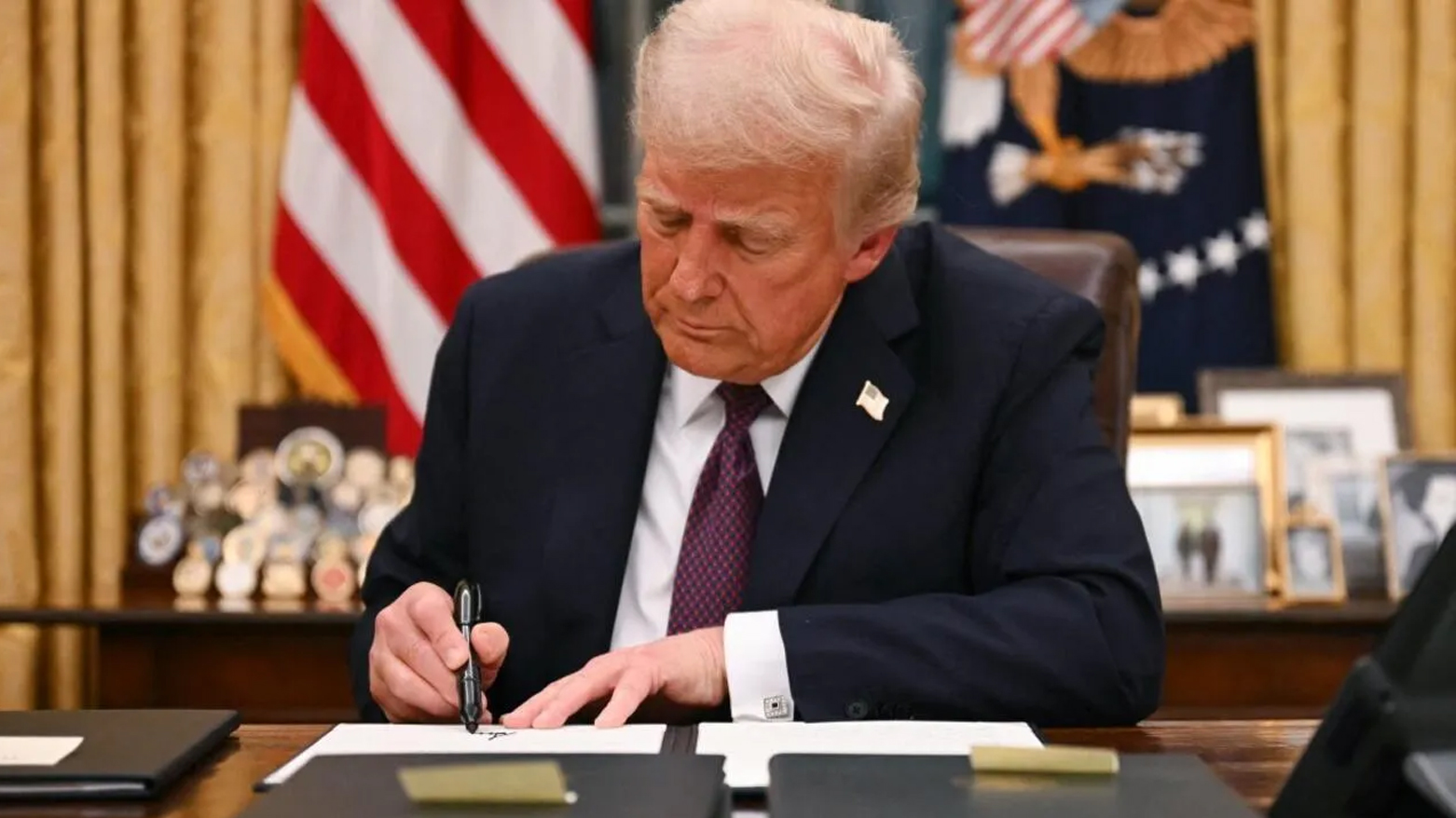
In a decisive move, President Trump issued an executive order that ceased U.S. funding and involvement in 66 international organizations. This action followed an extensive evaluation of America’s role within these bodies, particularly those affiliated with the U.N., as outlined in an official statement from the White House.
Targeting U.N.-Linked Commissions and Other Global Forums
The majority of the organizations affected are commissions and advisory groups connected to the United Nations, focusing on issues such as environmental policy, labor rights, and migration management. The administration criticized these entities for advancing what it described as progressive “woke” agendas emphasizing diversity and inclusion. Beyond U.N. agencies, the withdrawal also impacted groups like the Partnership for Atlantic Cooperation, the International Institute for Democracy and Electoral Assistance, and the Global Counterterrorism Forum.
Justification: Streamlining and Protecting National Interests
Secretary of State Marco Rubio articulated that many of these organizations were viewed as duplicative, inefficient, and poorly managed. He underscored concerns that some groups promote policies at odds with U.S. priorities, potentially undermining American sovereignty and economic well-being.
Contextualizing the Shift: A More Unilateral U.S. Foreign Policy
This withdrawal fits within a broader pattern of assertive unilateralism characteristic of the Trump administration’s foreign policy. Actions such as the controversial attempt to remove Venezuelan President Nicolás Maduro and renewed interest in acquiring Greenland exemplify a preference for direct, independent decision-making rather than consensus-driven multilateralism.
Selective Funding: Prioritizing U.S. Interests in the U.N.
Previously, the administration had already curtailed support for key U.N. agencies, including the World Health Organization, the U.N. Relief and Works Agency for Palestinian Refugees (UNRWA), the U.N. Human Rights Council, and UNESCO. Instead of a full withdrawal, the U.S. adopted a targeted funding approach, backing only those programs that aligned closely with its strategic objectives.
Expert Perspective: Conditional Engagement in Global Affairs
Daniel Forti, director of U.N. affairs at the International Crisis Group, interprets this policy as a clear “my way or the highway” approach to international cooperation. He notes that the administration demands partnerships that strictly serve U.S. interests, marking a departure from the traditional spirit of multilateral diplomacy.
Consequences for Global Collaboration and Crisis Response
As the U.S. scales back its engagement with international organizations, concerns mount over the future effectiveness of global governance mechanisms addressing critical challenges like climate change, human rights protection, and international security. Recent analysis from the Council on Foreign Relations highlights that these funding reductions have already diminished the operational capacity of several U.N. agencies, potentially weakening coordinated responses to worldwide emergencies.
Future Outlook: Uncertain Trajectory of U.S. Global Engagement
With America redefining its participation in international institutions, the global community faces ambiguity regarding U.S. leadership and commitment. Analysts suggest that upcoming administrations might either continue this trend of selective involvement or seek to rebuild broader alliances, influenced by shifting geopolitical landscapes and domestic political considerations.
