
Table of Contents
US Forces Detain Venezuelan Oil Tanker Bound for Russia Amid Escalating Sanctions Enforcement
A recent incident has drawn international attention as US military personnel intercepted and boarded a Venezuelan oil tanker reportedly shielded by Russian naval vessels, including a submarine, while en route to Russian territorial waters. This event signals a marked escalation in the United States’ rigorous enforcement of sanctions across the North Atlantic.
Confirmation of the Interception and Its Background
The US European Command has officially confirmed the seizure of the tanker, initially known as Bella 1. The vessel was under close surveillance as it traversed the Atlantic Ocean. In 2024, the tanker was blacklisted under US sanctions for its involvement in a clandestine network dubbed the “shadow fleet,” which facilitates unauthorized oil shipments circumventing international regulations.
Operational Details and Russian Naval Presence
On January 7, reports from Reuters detailed that the US Coast Guard, supported by additional military units, carried out the operation. A US official disclosed that Russian naval forces, including a submarine, had been deployed in the vicinity to protect the tanker in the days leading up to the interception. However, the precise distance between the Russian vessels and the tanker during the boarding remains unclear.
Tracking the Tanker’s Location and Movement
According to MarineTraffic data, the tanker was intercepted roughly 190 miles south of Iceland in the North Atlantic. Notably, the vessel abruptly altered its course southward around the time of the seizure, indicating a sudden navigational shift following the US operation.
Simultaneous Vessel Seizure in the Caribbean and US Government Response
On the same day, the US Southern Command announced the capture of another vessel in the Caribbean Sea. This ship, described as stateless, was implicated in illicit activities. Department of Homeland Security Secretary Kristi Noem lauded both interdictions, underscoring the US commitment to dismantling criminal networks and disrupting funding streams for narcotics-related terrorism worldwide.
US Political Position and Enforcement Approach
White House Press Secretary Karoline Leavitt reiterated that President Donald Trump remains steadfast in implementing policies that safeguard American interests, including the embargo targeting “dark fleet” vessels engaged in unauthorized oil transport. Despite concerns about rising geopolitical tensions with Russia and China, the administration is unwavering in its enforcement of these sanctions.
Surveillance Efforts and Pursuit of the Bella 1
Prior to the successful interception, the US Coast Guard attempted to board the Bella 1 near Venezuelan waters the previous month, but the tanker evaded capture by reversing its course. Subsequently, US surveillance assets, including P-8 Poseidon maritime patrol aircraft operating from RAF Mildenhall in the UK, tracked the vessel as it moved northeast across the Atlantic. Additional US military resources, such as C-17 transport aircraft, V-22 Ospreys, and AC-130 gunships, were strategically positioned at UK bases in preparation for the operation.
Challenges During the Pursuit and Legal Ramifications
During the chase, the tanker’s crew painted a Russian flag on the hull and asserted Russian protection. The vessel was later re-registered under the Russian flag with a new name, Marinera. Moscow formally demanded that Washington halt its pursuit. However, US officials, including Senator Marco Rubio, dismissed Russia’s claims, classifying the tanker as effectively stateless and subject to US jurisdiction. Attorney General Pam Bondi announced ongoing investigations into the crew and warned of impending criminal charges against those defying US Coast Guard orders, signaling potential legal consequences for crews of other sanctioned vessels resisting compliance.
International Collaboration and Support
The United Kingdom confirmed its support for the operation. The British Ministry of Defence stated that UK Armed Forces provided pre-planned operational assistance, including basing facilities for US military assets operating within the UK-Iceland-Greenland gap. The Royal Fleet Auxiliary tanker RFA Tideforce and the Royal Air Force contributed logistical and aerial surveillance support during the mission.
Broader Context of the Seizure Within US Policy
This interception follows President Trump’s recent announcement of a “complete blockade” targeting sanctioned oil tankers attempting to enter or exit Venezuelan ports. This strategy forms part of a wider US effort to pressure Venezuela’s interim government following the capture of Nicolás Maduro in Caracas. Senator Rubio has reiterated the US commitment to maintaining the blockade as leverage in ongoing diplomatic negotiations.
Implications and Future Outlook
If upheld, the seizure of the Marinera would mark the third Venezuelan-affiliated oil tanker captured since September, highlighting the US’s intensified crackdown on global sanction evasion through “dark fleet” operations. This development underscores the growing complexity of maritime enforcement amid geopolitical conflicts involving energy resources, with global energy markets closely monitoring these evolving dynamics.
Visual Evidence of the Operation
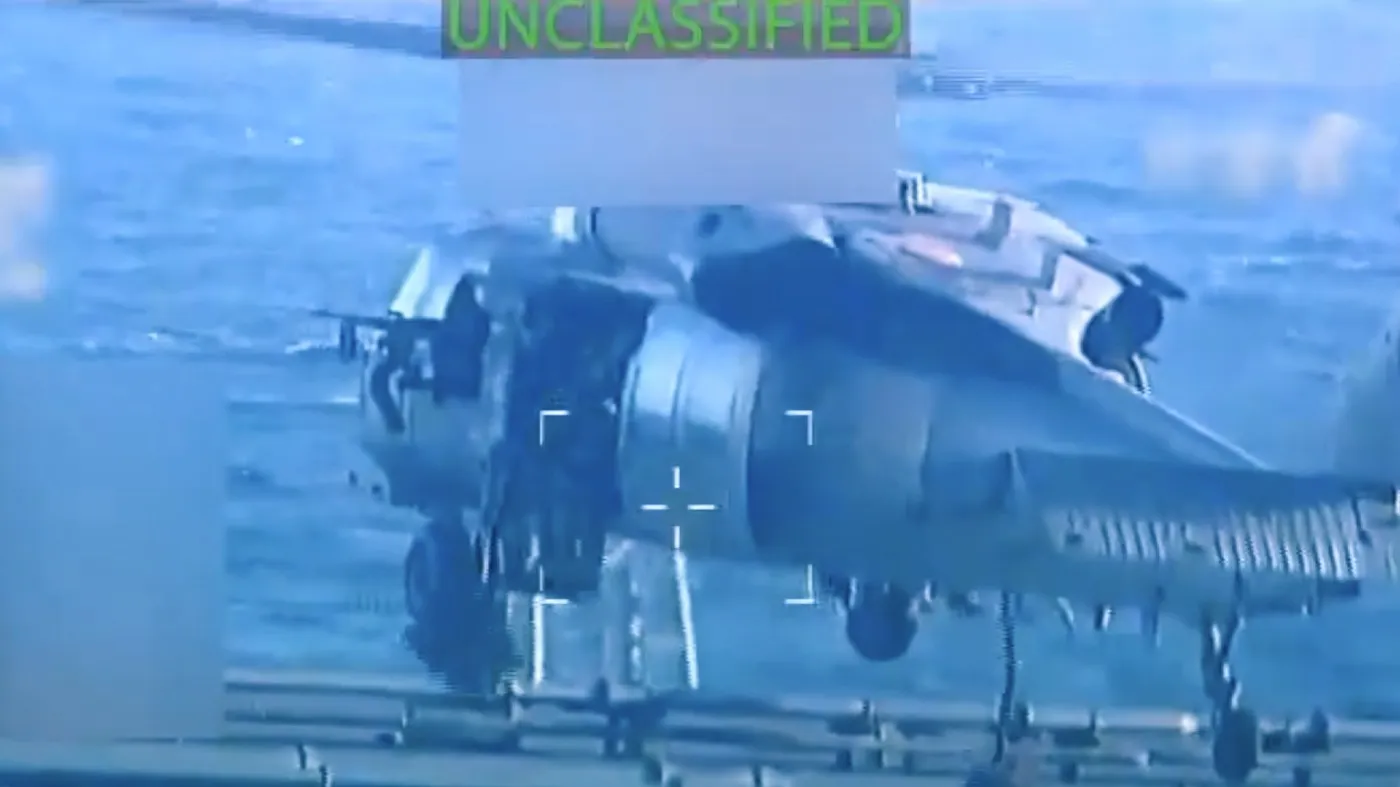
Below is footage capturing the moment US military personnel boarded and seized the Venezuelan oil tanker escorted by Russian naval forces:
