
Table of Contents
Steady Start for the Naira Against the US Dollar as 2026 Kicks Off
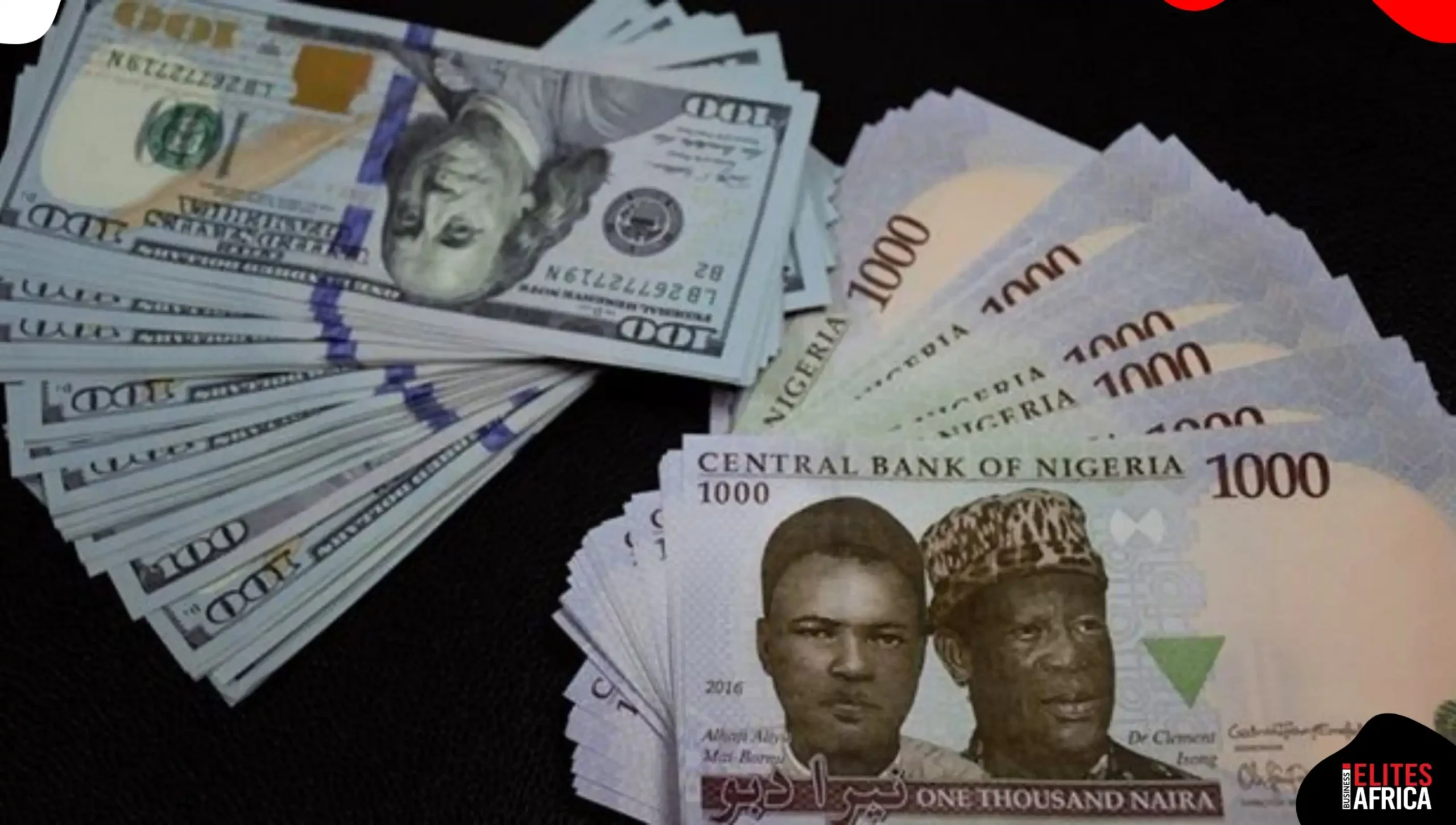
As Nigeria enters the first full trading Friday of 2026, the naira has maintained a stable position against the US dollar. Market participants are closely monitoring the currency’s performance, especially with business operations resuming after the holiday season, which typically triggers increased demand for foreign currency.
Current Official Exchange Rate Overview
On the morning of January 2, 2026, the official exchange rate in the Nigerian Foreign Exchange Market (NFEM) recorded the US dollar at approximately ₦1,446.62 to $1. This marks a noticeable strengthening of the naira compared to the latter part of 2024, when the currency faced significant depreciation pressures.
Insights into the Parallel Market Dynamics
In the informal or parallel market, the dollar typically trades at a premium relative to the official rate due to immediate demand fluctuations and limited supply. However, recent reports from currency dealers indicate that the disparity between the official and black market rates has narrowed considerably, reflecting improved market stability.
Factors Sustaining the Exchange Rate Stability
Several key elements are contributing to the current steadiness of the naira as the new year begins:
- Robust Foreign Exchange Reserves: Nigeria’s reserves provide the Central Bank with the capacity to intervene and cushion the naira against excessive volatility.
- Steady Oil Revenues: As the country’s primary source of foreign currency, consistent oil export earnings continue to underpin the naira’s value.
- Monetary Policy Direction: The Central Bank of Nigeria’s (CBN) upcoming Monetary Policy Committee meeting will be pivotal in outlining strategies to control inflation and adjust interest rates, influencing currency market sentiment.
While the market is expected to remain relatively calm today, the upcoming week could reveal more definitive trends. The full resumption of corporate activities, heightened import demands, and increased participation in daily foreign exchange transactions are likely to impact the naira’s trajectory.
Looking Ahead: What to Expect in the Coming Weeks
With Nigeria’s economy gradually regaining momentum post-holidays, analysts anticipate that the naira’s exchange rate will be influenced by several emerging factors. These include global oil price fluctuations, shifts in foreign investment flows, and the effectiveness of CBN’s monetary policies. For instance, if oil prices sustain above $80 per barrel, Nigeria’s forex inflows could strengthen further, supporting the naira.
Moreover, the government’s efforts to diversify the economy and boost non-oil exports may also play a role in stabilizing foreign currency availability in the medium term.
