
Table of Contents
Launch of Ethiopia’s National Strategy to Combat Substandard and Falsified Medical Products (2026-2030)
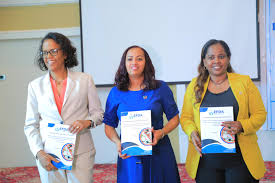
The Ethiopian Food and Drug Authority (EFDA) recently unveiled its comprehensive National Strategy aimed at tackling the pervasive issue of substandard and falsified (SF) medical products from 2026 to 2030. This significant event gathered top government officials, regulatory authorities, and key development partners to underscore the country’s commitment to safeguarding public health. EFDA Director General, H.E. Ms. Heran Gerba, opened the ceremony with welcoming remarks, followed by a keynote speech from H.E. Dr. Mekdes Daba, Ethiopia’s Minister of Health. The gathering also included H.E. Ms. Frehiwot Abebe, State Minister of Health, alongside representatives from the Ministry of Justice, Ethiopian Customs Commission, and other stakeholders.
Understanding the Threat: A National and Global Concern
Dr. Mekdes Daba emphasized the critical challenge posed by SF medical products, citing recent World Health Organization (WHO) data revealing that approximately 10% of medicines in low- and middle-income countries fail to meet quality standards. These compromised products not only jeopardize treatment outcomes but also escalate disease burden and mortality rates, while accelerating antimicrobial resistance-a growing global health crisis. For Ethiopia, where over 63 million people now benefit from health insurance coverage, ensuring access to safe, effective, and quality-assured medicines is a cornerstone of national health policy.
Regulatory Milestones and Future Aspirations
Highlighting Ethiopia’s progress, EFDA Director General Heran Gerba noted the country’s recent achievement of WHO’s Global Benchmarking Tool (GBT) Maturity Level 3 (ML3) for medicines regulation. This designation reflects a robust, integrated regulatory system capable of consistently executing all essential functions to prevent and manage SF medical products throughout their lifecycle. Ms. Gerba outlined ambitions to elevate Ethiopia’s regulatory framework further by attaining ML4 status for medicines and ML3 for vaccines and medical devices. These advancements aim to position EFDA as a leading African Centre of Excellence, enhancing rapid threat detection, stringent quality assurance, and coordinated interventions across the pharmaceutical supply chain.
Strategic Pillars: Prevention, Detection, and Response
The newly launched National Strategy adopts a holistic, multisectoral approach structured around three core pillars: prevention, detection, and response. Key focus areas include:
- Strengthening legal and regulatory frameworks to close existing gaps
- Enhancing surveillance systems and research capabilities to identify and monitor SF products
- Leveraging digital technologies and innovative tools for real-time tracking and data sharing
- Building institutional capacity and workforce expertise to sustain regulatory functions
- Raising public awareness to empower consumers and healthcare providers
- Fostering national and international collaborations to harmonize efforts and share intelligence
Developed through extensive consultations with stakeholders and supported by the Bill & Melinda Gates Foundation, the strategy aligns Ethiopia’s priorities with global and regional regulatory frameworks, reinforcing the country’s commitment to international best practices.
Collaborative Enforcement: A Unified Front Against Criminal Networks
A panel discussion involving EFDA, the Ethiopian Customs Commission, and the Ministry of Justice highlighted the critical roles each sector plays in combating SF medical products. The dialogue underscored the necessity of synchronized border controls, vigilant market surveillance, timely information exchange, and rigorous legal enforcement. Given the increasing sophistication of criminal enterprises involved in counterfeit pharmaceuticals, the panel stressed the importance of intelligence-led, coordinated regulatory and law enforcement responses to dismantle these networks effectively.
Commitment to Implementation and Global Support
Concluding the event, H.E. Ms. Heran Gerba reaffirmed EFDA’s dedication to spearheading the strategy’s execution in partnership with both domestic and international stakeholders. She emphasized the need for sustained collaboration, institutional accountability, and ongoing investment in regulatory infrastructure to maintain public confidence in the safety and quality of medical products circulating in Ethiopia.
The World Health Organization reiterated its pledge to assist Ethiopia in fully operationalizing this strategy, aligning efforts with global and regional initiatives aimed at eradicating substandard and falsified medical products and strengthening regulatory systems to improve health outcomes.
