
Table of Contents
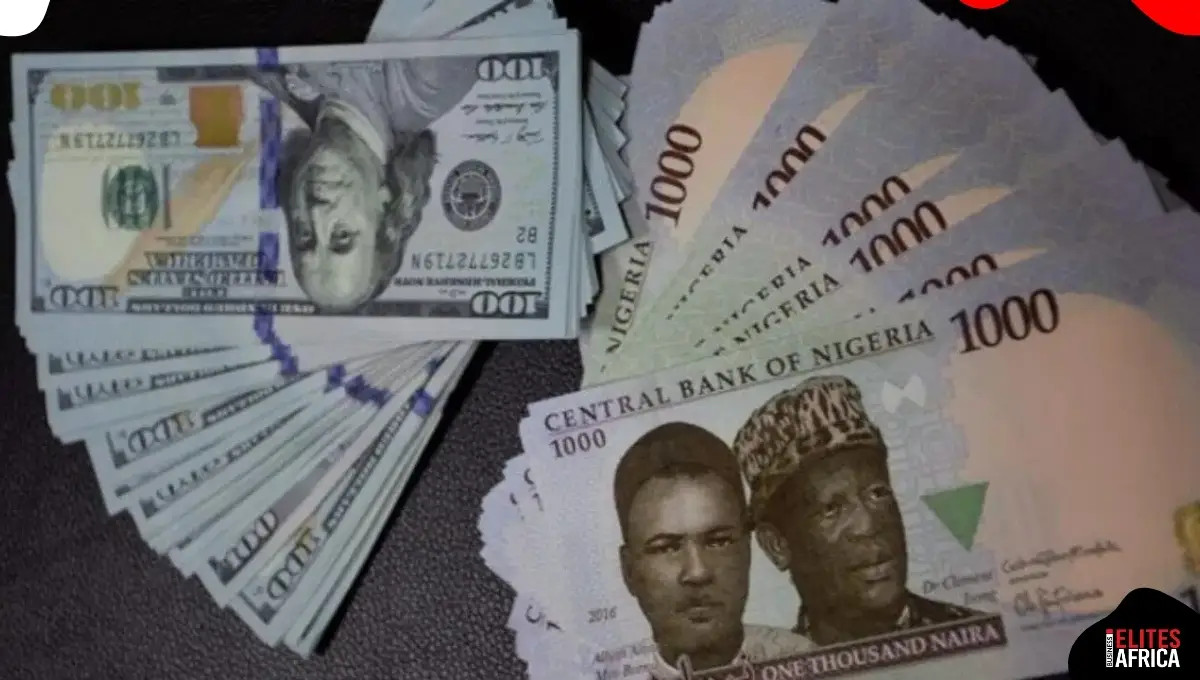
On Tuesday, the Nigerian naira experienced a modest appreciation, trading at ₦1,460 per US dollar in the parallel market, improving from ₦1,470 recorded on Monday. This positive shift reflects a strengthening local currency against the dollar in informal trading channels.
Performance in Official Foreign Exchange Markets
Similarly, the naira gained ground in the Nigerian Foreign Exchange Market (NFEM), closing at ₦1,447 per dollar, a slight improvement from the previous day’s ₦1,450. According to recent figures released by the Central Bank of Nigeria (CBN), the naira appreciated by ₦3 at the official exchange window, signaling increased stability in formal currency trading.
Narrowing Disparity Between Exchange Rates
The gap between the parallel market rate and the official NFEM rate has contracted to ₦13 per dollar, down from ₦20 per dollar on Monday. This reduction in the spread suggests a gradual alignment between the informal and formal currency markets, which could enhance investor confidence and reduce arbitrage opportunities.
Context and Implications
Experts note that the naira’s recent gains come amid ongoing efforts by the CBN to stabilize the currency through targeted interventions and improved foreign exchange liquidity. For instance, in the first quarter of 2025, the CBN injected over $1 billion into the FX market to support the naira. This strategy aims to curb inflationary pressures and foster economic growth by ensuring smoother access to foreign currency for businesses and consumers alike.
Looking Ahead
While the current appreciation is encouraging, analysts caution that sustained stability will depend on broader economic reforms, including diversification of Nigeria’s export base and enhanced foreign investment inflows. The narrowing exchange rate gap is a positive indicator, but continuous monitoring of market dynamics remains essential to prevent volatility.
