
Table of Contents
Remembering James Watson: The Legacy of a DNA Pioneer
James Watson, the renowned scientist who co-discovered the structure of DNA and was awarded the Nobel Prize for this monumental achievement, has passed away at the age of 97. His death was officially announced by Cold Spring Harbor Laboratory, the institution where he dedicated much of his career to groundbreaking research.
The Discovery That Transformed Biology
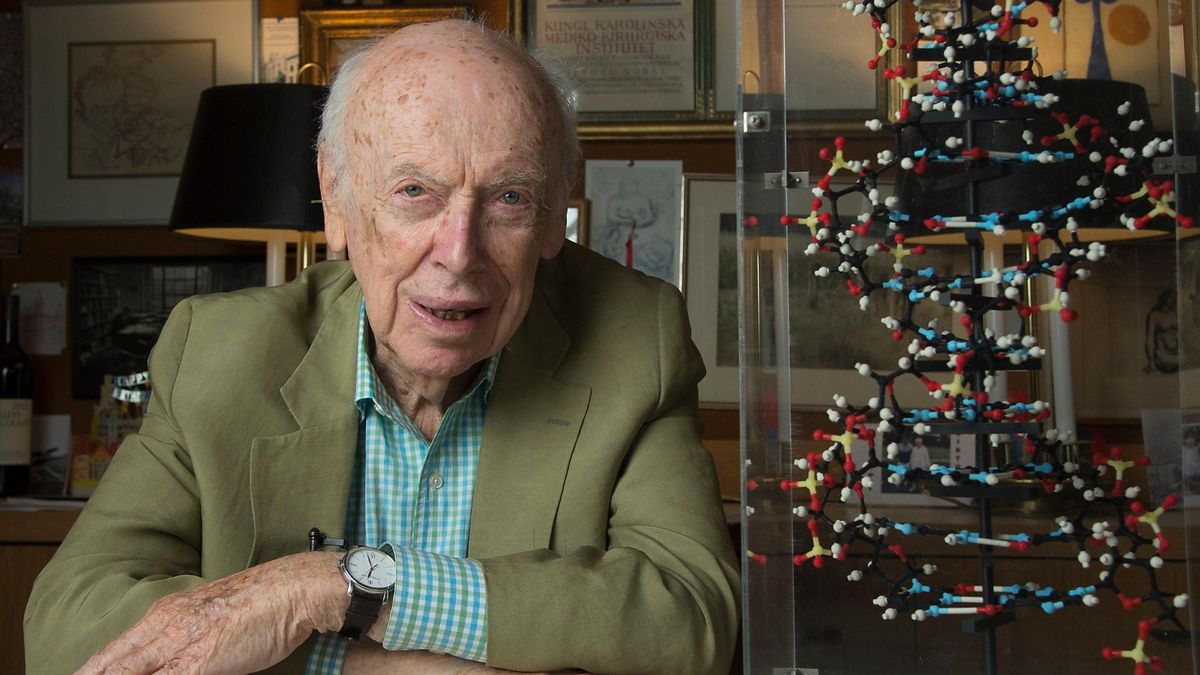
In 1953, at just 24 years old, Watson, alongside Francis Crick and Maurice Wilkins, unveiled the double helix model of deoxyribonucleic acid (DNA). This revelation revolutionized our understanding of genetics by illustrating how hereditary information is encoded and replicated within living organisms. The iconic double helix, resembling a spiraling ladder, demonstrated how DNA strands separate during cell division, a process fundamental to life.
This discovery not only earned them the 1962 Nobel Prize in Physiology or Medicine but also became a universal emblem of scientific progress, appearing in diverse cultural contexts-from Salvador Dalí’s artwork to British postage stamps.
Impact on Science, Medicine, and Society
The implications of Watson’s work have been profound and far-reaching. It paved the way for modern genetic engineering, enabling scientists to modify the genetic code of organisms, develop gene therapies to treat diseases, and utilize DNA profiling in forensic science to identify individuals with remarkable accuracy. Additionally, genealogists have harnessed DNA analysis to trace ancestry and family histories with unprecedented precision.
However, these advances have also sparked complex ethical debates. Questions persist about the morality of genetic modifications, especially concerning enhancements for non-medical reasons or changes that could be inherited by future generations.
Watson’s Career Beyond the Double Helix
Although Watson did not replicate the magnitude of his initial discovery in later research, he significantly influenced the scientific community through other avenues. He authored seminal textbooks and a widely read memoir, contributed to the Human Genome Project, and mentored emerging scientists. His advocacy and leadership helped shape science policy and funding priorities worldwide.
Watson’s personal connection to genetics was deepened by his son Rufus’s struggle with schizophrenia, motivating him to support genomic research in hopes of uncovering insights into complex mental illnesses.
Controversies and Criticism
Despite his scientific acclaim, Watson’s legacy is marred by controversial statements, particularly regarding race and intelligence. In 2007, he attracted widespread condemnation after remarks suggesting inherent intellectual differences between Black and white populations. These comments led to professional repercussions and damaged his reputation within the scientific community.
Such views have sparked ongoing discussions about the responsibilities of prominent scientists in addressing sensitive social issues and the impact of their words beyond the laboratory.
Conclusion: A Complex Legacy
James Watson’s contributions to science are undeniable, having laid the foundation for modern genetics and biotechnology. His discovery of the DNA double helix remains one of the most significant scientific breakthroughs of the 20th century, influencing medicine, forensic science, and our understanding of human biology. Yet, his later years remind us of the importance of ethical reflection and the consequences of public discourse by influential figures.
