
Table of Contents
Healing Voices: A Journey Through Angola’s Fight Against Obstetric Fistula
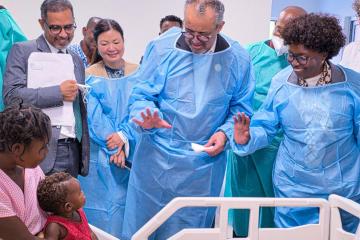
Amid the gentle harmonies of a choir formed by hospitalized women, Dr. Tedros Adhanom Ghebreyesus, Director-General of the World Health Organization, made a poignant visit to the fistula ward at Azancot de Menezes Hospital. The experience deeply touched him as he witnessed firsthand the profound challenges faced by women suffering from obstetric fistula.
The Silent Struggle of Women with Obstetric Fistula
Every step through the ward echoed the gravity of the situation and highlighted the unwavering dedication of healthcare workers striving to heal and restore dignity to women burdened by this condition. Obstetric fistula, a severe childbirth injury, paradoxically emerges from one of life’s most miraculous events: childbirth. It predominantly affects women in low-resource settings who endure prolonged, obstructed labor without timely medical intervention.
Understanding Obstetric Fistula: Causes and Consequences
Obstetric fistula occurs when prolonged pressure during labor creates an abnormal opening between the birth canal and the bladder or rectum, leading to uncontrollable leakage of urine or feces. While obstructed labor is the primary cause, fistulas can also result from surgical complications, sexual violence, or traumatic injuries. Globally, it is estimated that over 2 million women live with untreated fistula, with approximately 50,000 to 100,000 new cases annually, predominantly in sub-Saharan Africa and parts of Asia.
In Angola alone, around 20,000 women are affected, many of whom face social ostracism, abandonment by partners, and exclusion from their communities, compounding their physical suffering with emotional and psychological trauma.
Vangulula Centre: A Beacon of Hope and Renewal
Hope shines through the Vangulula Centre at Azancot de Menezes Maternity Hospital. Named after the Kimbundu word for “restoring life,” this facility, established by the Vangulula Foundation, offers more than just surgical repair. It provides comprehensive rehabilitation, social reintegration programs, and preventive education, including family planning and improved childbirth care, especially targeting rural populations where access to healthcare remains limited.
Progress and Persistent Challenges
From 2014 to 2024, the centre has successfully treated 3,195 women, boasting a remarkable 98% success rate in straightforward cases. Despite these achievements, obstacles such as the absence of a dedicated fistula operating theatre, limited funding, and a shortage of specialized medical personnel continue to hinder the pace and scale of treatment, often extending hospital stays and reducing the number of surgeries performed.
Voices of Leadership: Commitment to Dignity and Inclusion
Dr. Tedros emphasizes that “treating women with fistula is a profound humanitarian act that restores their dignity and hope.” He calls for unified efforts from governments, families, and health organizations to provide unwavering support and solidarity.
Echoing this sentiment, Angola’s Minister of Health, Dr. Sílvia Lutucuta, highlights that “obstetric fistula remains a significant public health challenge. Although preventable and treatable, it is still shrouded in stigma and often leads to family abandonment. This underscores the critical need for interventions that empower women and foster their social inclusion post-treatment.”
Fistula Prevention and Treatment: A Global Development Priority
Addressing obstetric fistula transcends medical care; it is intrinsically linked to the Sustainable Development Goals, human rights, and health equity. Each woman healed represents a restored life, a renewed narrative, and a reclaimed future. Collective commitment is vital to ensure these women-symbols of resilience and the continuity of humanity-can once again embrace joy, hope, and the freedom to dream.
