
Table of Contents
Strengthening Malawi’s Health Workforce for Universal Health Coverage by 2030
Ensuring the achievement of Sustainable Development Goal 3 (SDG 3), Universal Health Coverage (UHC), and resilient primary health care (PHC) systems depends fundamentally on having a skilled, motivated, and adequately staffed health workforce capable of delivering essential health services across all care levels.
Advancing the National Health Labour Market Analysis
In collaboration with the World Health Organization (WHO), Malawi’s Ministry of Health is making significant progress toward finalizing a comprehensive national Health Labour Market Analysis (HLMA). This analysis is being aligned with methodologies used in other countries to ensure comparability and to support high-level multisectoral policy discussions aimed at improving human resources for health (HRH) planning and prioritization in Malawi.
Understanding the Health Labour Market Framework
The HLMA employs a systematic economic framework to evaluate the health workforce by analyzing the dynamic relationships between the supply of health workers, the demand for their services, the population’s health needs, and the available financial resources. This approach enables policymakers to assess the feasibility and impact of various workforce strategies, thereby enhancing governance and evidence-based decision-making in the health sector.
Progress and Challenges in Malawi’s Health Workforce
Malawi’s Health Sector Strategic Plan 2023-2030 has prioritized investments in health workforce education, recruitment, performance management, professional development, and the Human Resources Information System. These efforts have contributed to a notable increase in the health workforce, growing from 34,287 workers in 2019 to 47,555 in 2024-a remarkable 38.7% rise over six years.
Despite this encouraging growth, critical staffing shortages persist, particularly in key cadres. Nurse/Midwife Technicians face a vacancy rate of 40%, while Medical Officers and Specialists experience a 32% shortfall, and Medical Assistants are understaffed by 25%. Addressing these gaps is essential for the effective delivery of Malawi’s essential health package.
Data-Driven Workforce Planning and Policy Development
To tackle these challenges, the Ministry of Health, supported by WHO, is finalizing the HLMA, which will analyze political, economic, and training factors influencing workforce supply and demand, alongside population health needs. The evidence generated will inform long-term policies on workforce development, recruitment, and management, ensuring alignment with Malawi’s health priorities.
Capacity Building and Multisectoral Collaboration
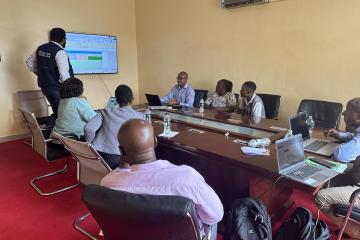
With funding from the United Kingdom’s Department for Health and Social Care (DHSC), WHO’s Africa Regional Office facilitated a reorientation workshop for a multisectoral team on HLMA methodologies, including the epidemiology-based health workforce needs assessment using the WHO AFRO HLMA Support Tool. Participants conducted a thorough analysis of Malawi’s health workforce data across all components of the Health Labour Market framework.
Preliminary Findings and Future Directions
Initial results include estimates of workforce requirements tailored to Malawi’s epidemiological profile and service delivery demands. The finalized HLMA report will present evidence-based policy questions to guide a multisectoral technical dialogue, fostering national consensus on strategic directions for health workforce planning and management.
Voices from the Field
“The Health Labour Market Analysis will provide Malawi with a robust evidence base to better understand workforce dynamics and enhance planning,” stated Mr. Duff Msukwa, Director of Human Resources for Health at the Ministry of Health. “By leveraging data-driven insights, we can more effectively align our health workforce with population needs, ensuring equitable access to quality care and advancing the goals of our Health Sector Strategic Plan III.”
A diverse multisectoral team-including representatives from government ministries, the Nurses and Midwives Council, Medical Council, Christian Health Association of Malawi, health training institutions, and professionals from 72 health occupations-participated in the HLMA data analysis and needs assessment held from November 10 to 21, 2025.
“WHO is honored to support Malawi in this comprehensive Health Labour Market Analysis, which lays the foundation for sustainable workforce planning and improved health service quality at all levels,” said Dr. Neema Rusibamayila Kimambo, WHO Representative to Malawi. “This initiative addresses immediate workforce gaps while setting the stage for long-term investments that will bring Malawi closer to Universal Health Coverage and a resilient health system.”
Building a Resilient Health System for the Future
As Malawi faces ongoing workforce challenges and increasing demand for health services-including responses to health emergencies-the completion of the HLMA will equip policymakers with context-specific evidence to align workforce strategies with actual population health needs. Grounding health workforce planning in solid data reinforces Malawi’s commitment to developing a resilient, equitable health system capable of delivering UHC and ensuring health security for all citizens.
