
Table of Contents
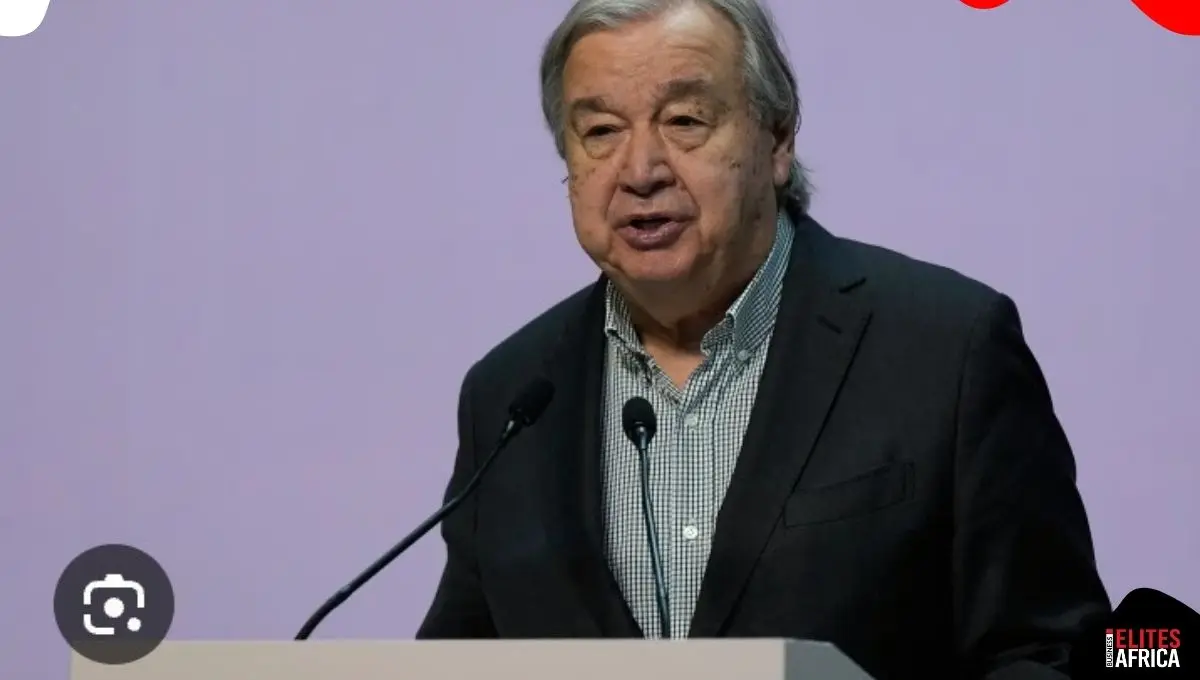
The United Nations has unequivocally condemned the recent military coup in Guinea-Bissau, describing it as a blatant assault on democratic principles and the expressed will of the nation’s citizens. UN Secretary-General António Guterres, through his spokesperson Stéphane Dujarric, voiced serious apprehension over the abrupt disruption of the country’s constitutional framework.
Undermining the Electoral Process and Popular Sovereignty
The coup unfolded amid the tense atmosphere following the November 23 presidential elections, where both incumbent President Umaro Sissoco Embaló and his main rival, Fernando Dias, prematurely declared victory prior to the announcement of official results. This political uncertainty created a vacuum that the military exploited by seizing control and detaining key political figures.
The UN emphasized that no faction has the authority to invalidate the outcome of a peaceful electoral process, underscoring that the people’s vote must be respected as the foundation of legitimate governance.
Calls for Immediate Restoration of Constitutional Order
Guterres demanded the unconditional reinstatement of constitutional governance, including the immediate release of all detained officials, electoral staff, opposition leaders, and other political detainees held by the junta. He stressed that resolving political disputes through coercion or force is unacceptable and urged all parties to pursue dialogue and legal mechanisms instead.
Respect for Human Rights and International Obligations
The Secretary-General also called on the military to uphold human rights standards and adhere to their international legal responsibilities. He warned that escalating tensions could further destabilize the fragile political environment and urged restraint from all stakeholders.
Regional Efforts and UN Support for Stability
The United Nations expressed strong backing for the Economic Community of West African States (ECOWAS) and the West African Elders Forum, both actively engaged in diplomatic efforts to restore peace and democratic order in Guinea-Bissau. As regional leaders convene emergency sessions to determine a path forward, the UN reaffirmed its commitment to supporting these initiatives and safeguarding democratic governance in the country.
Context and Broader Implications
Guinea-Bissau has experienced recurrent political instability since gaining independence, with multiple coups disrupting its democratic progress. According to recent data from the International Crisis Group, the country ranks among the most fragile states in West Africa, with political unrest severely impacting economic development and social cohesion.
This latest coup not only threatens Guinea-Bissau’s internal stability but also poses risks to regional security, given its strategic location and history of transnational challenges such as drug trafficking. The international community’s swift response highlights the urgency of reinforcing democratic institutions and promoting peaceful conflict resolution mechanisms.
