
Table of Contents
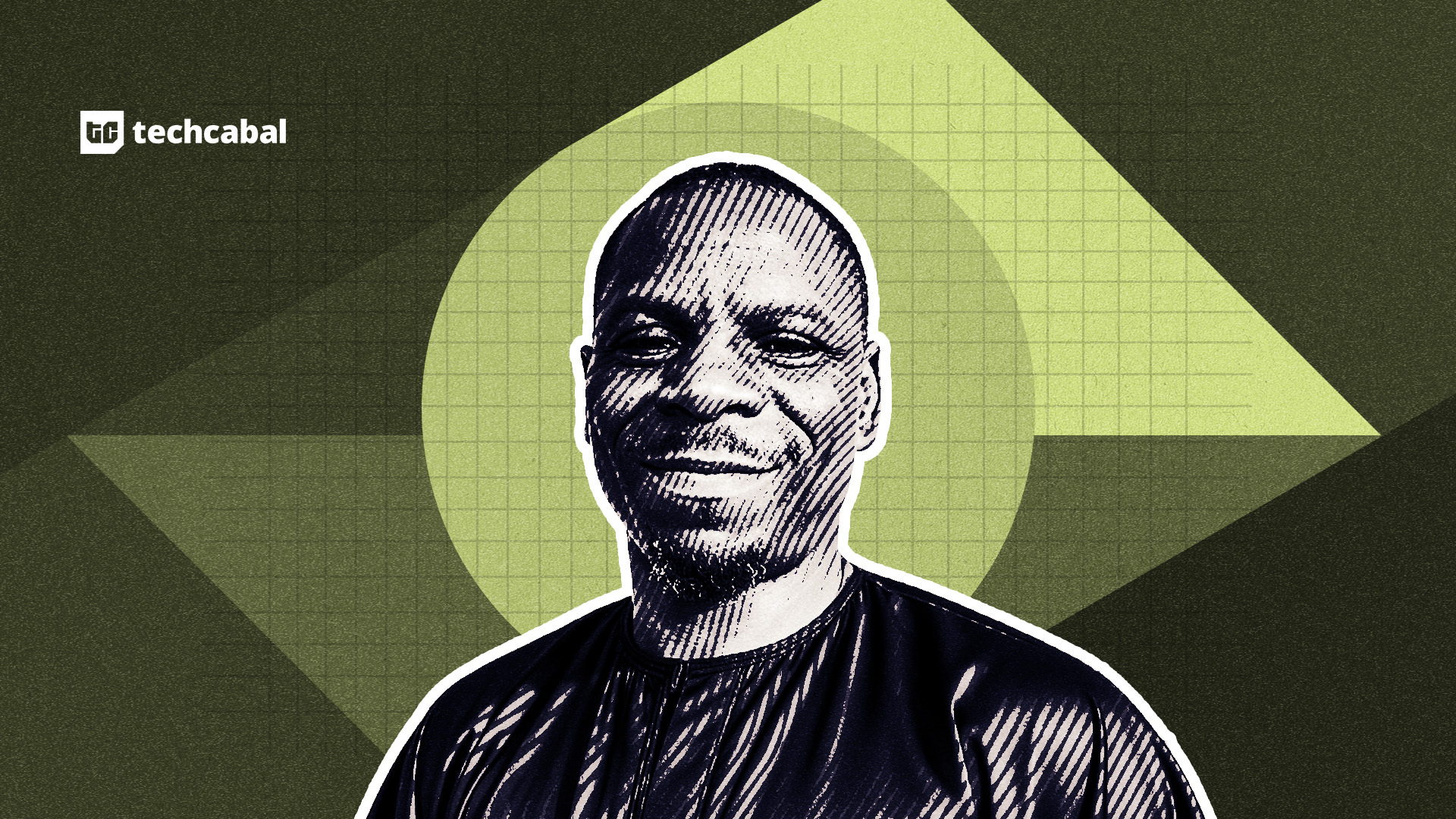
From Music Video Pioneer to AI Innovator: Afam Nwaoboli’s Transformative Journey
Afam Nwaoboli has been a defining figure in Nigeria’s creative landscape, initially making waves by directing and editing music videos for prominent artists such as M.I Abaga, Jesse Jagz, and Brymo. Over the years, he has evolved from mastering the analog media environment of the early 2010s to spearheading digital innovation through artificial intelligence. His latest initiative, AI Studio, embodies this evolution by providing accessible, cutting-edge AI tools tailored for Nigeria’s and Africa’s creative sectors.
Early Fascination with Technology and Self-Taught Mastery
Nwaoboli’s passion for technology was ignited by a simple yet profound realization: the instantaneous nature of email communication. “When I first learned that you could send an email and get a reply within minutes, it blew my mind,” he recalls. This curiosity propelled him into web development, where he began crafting websites for clients. His interest soon expanded into media production, where he self-educated in music and video editing using tools like Fruity Loops, often working from cyber cafes. Without formal training, his resourcefulness and determination became the foundation of his creative career.
“I’ve always been a self-learner. There was no one to teach me, so I had to figure things out on my own,” Nwaoboli explains.
Creative Milestones in Nigeria’s Music Industry
Through his media company, Entourage Media, Nwaoboli-also known by his moniker “Afamdman”-played a pivotal role in shaping the visual identity of Nigeria’s early music superstars. He directed, filmed, and edited videos for artists including M.I Abaga, Jesse Jagz, Brymo, African China, Ruggedman, and Sooti. His creative contributions also extended to graphic design, notably crafting the album cover for Faze’s debut release.
Before his visual production acclaim, Nwaoboli’s roots were in music production under Beatdown Productions. He began by creating beats for artists like Faze and transitioned into video production in 2006 after working on the first video for the female group Dynamix. This shift marked his full immersion into the visual arts, solidifying his reputation as a trailblazer in Nigerian media.
Entrepreneurial Tech Ventures and a Visionary Approach
Returning to technology with renewed focus around 2010, Nwaoboli’s entrepreneurial drive centers on leveraging tech to address everyday challenges in Nigeria. In 2022, he launched YesModular, a parent company that incubates his innovative tech projects, many of which anticipate market needs ahead of their time.
Back in 2002, he co-founded Smit (Smart Messaging Information Technology), aiming to pioneer mobile applications and SMS services during the infancy of Nigeria’s GSM era. “We were pushing ringtones and mobile content when GSM was just emerging. We were definitely ahead of the curve,” he notes, despite the venture facing obstacles due to limited infrastructure and funding.
More recently, in 2023, Nwaoboli developed Busfare, a mobile payment system enabling commuters to pay for bus rides via QR code scans, eliminating cash and card dependency. Although the pilot was successful, regulatory hurdles-specifically the requirement for a Central Bank of Nigeria license-temporarily stalled the project.
Currently, he is finalizing creators.ng, a platform designed to democratize brand partnerships by connecting content creators with companies. Brands post campaign briefs, and creators produce content to meet these briefs, earning payments based on engagement metrics such as likes, shares, and comments.
AI Studio: Democratizing Artificial Intelligence for Africa
Launched in May 2024, AI Studio represents the pinnacle of Nwaoboli’s vision-a comprehensive Large Language Model and image generation platform tailored to African users. The platform addresses two major barriers: affordability and accessibility. Unlike many global AI services that charge in US dollars, AI Studio allows payments in Nigerian naira, making advanced AI tools financially attainable for local creatives and entrepreneurs.
“One of the biggest challenges for Nigerians has been the dollar-denominated pricing of AI tools,” Nwaoboli explains. “AI Studio removes that obstacle by localizing payment options.”
AI Studio also consolidates multiple leading AI models into a single interface, enabling users to switch effortlessly between tools without juggling multiple subscriptions. The platform fosters a collaborative community where users can share, test, and learn from each other’s prompts, transforming AI Studio into a dynamic learning hub.
Complementing the platform is AI Studio Academy, an educational initiative aimed at equipping Nigerians with the knowledge and skills to harness AI effectively across various domains.
Embracing AI as a Catalyst for African Creativity
Nwaoboli views AI not as a threat but as a powerful equalizer that can revolutionize Africa’s creative industries. He likens AI to a camera-once an expensive and exclusive tool, now accessible to many-lowering barriers to producing high-quality content.
“For Nigerian creators, AI offers an unprecedented advantage. We often lack expensive equipment, technical expertise, or ideal locations, but AI levels the playing field,” he asserts. “There’s no reason for anyone in Nigeria to resist AI; it’s a gift that empowers us.”
Rather than fearing job losses due to AI, Nwaoboli encourages professionals to adapt by evolving their skills to complement new technologies. He stresses the importance of nurturing an ecosystem that supports innovation through collaboration and less restrictive regulation, contrasting this with the stifling effects that halted projects like Busfare.
“To unlock Africa’s full creative potential, we need environments where ideas can flourish and young innovators receive the support they deserve,” he concludes.
