
Table of Contents
Addressing the Financial Deficit in GBV Interventions
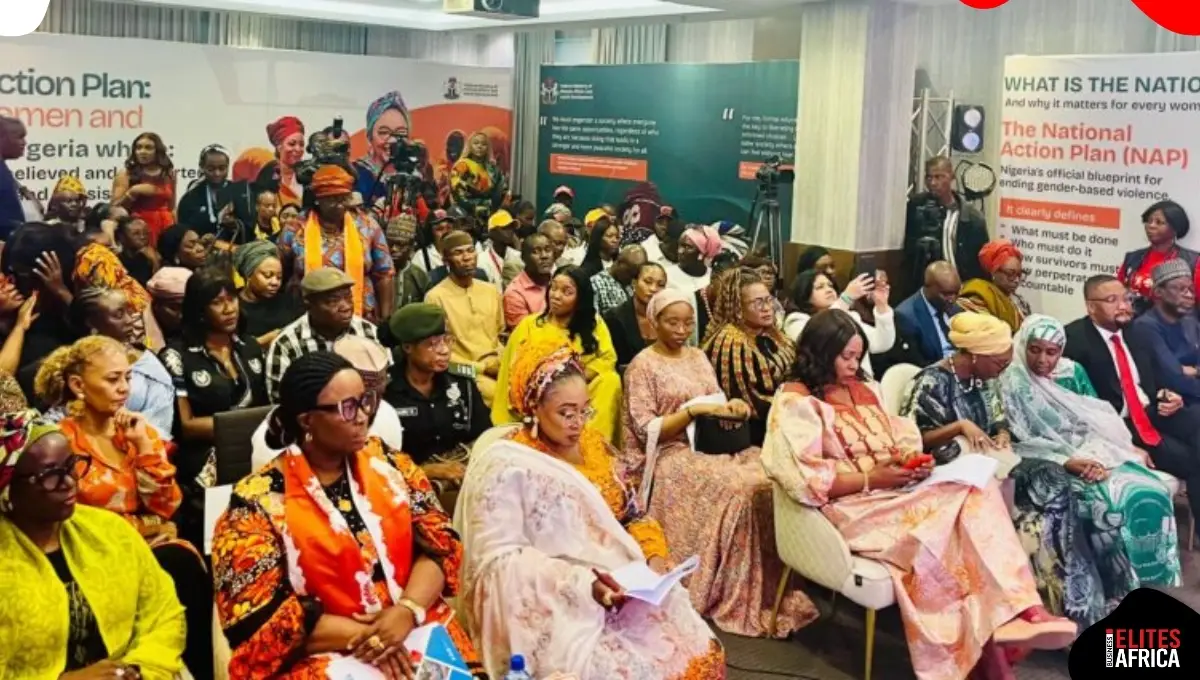
During a prominent event in Abuja commemorating the 16 Days of Activism Against Gender-Based Violence, Minister of Women Affairs, Hajiya Imaan Sulaiman-Ibrahim, emphasized the urgent need for this fund. Currently, less than 0.5% of Nigeria’s annual budget is allocated to GBV-related programs, leaving critical services such as shelters and survivor support centres severely under-resourced.
The minister highlighted alarming trends, including the recent kidnappings of schoolgirls in Kebbi and Niger states and the abduction of six female directors, underscoring the escalating crisis as a “national emergency” that reveals the precarious safety of women across the country.
Referencing the latest National Demographic and Health Survey, Sulaiman-Ibrahim revealed that 28% of Nigerian women aged 15 to 49 have endured physical violence, while 40% have suffered emotional abuse. Despite increased reporting, the conviction rate for GBV cases remains dismally low at under 5%.
New Strategic Measures to Enhance GBV Justice and Support
The Emergency GBV Response Fund will be integrated into the Ministry of Women Affairs’ comprehensive 9-Pillar Renewed Hope Social Impact Intervention Programme. This framework is designed to fortify institutional capacities, expedite justice delivery, and establish specialised gender desks and courts across all Nigerian states.
Additionally, the initiative plans to expand safe spaces and survivor support centres, aiming to increase the national GBV conviction rate from 5% to 25% by 2026. The government is also committed to setting up fully equipped survivor centres in every senatorial district to provide holistic care.
Minister Sulaiman-Ibrahim praised recent judicial milestones and called for a compassionate reassessment of the Ochanya case to ensure justice for the late teenage victim, reflecting the government’s dedication to accountability.
UN Women Urges Enhanced Enforcement and Community Engagement
Ms. Beatrice Eyong, UN Women’s Representative in Nigeria, acknowledged the country’s ratification of key international treaties and enactment of laws such as the Violence Against Persons (Prohibition) Act and the Child Rights Act. However, she stressed that enforcement remains inadequate.
Eyong called for stronger implementation measures, increased perpetrator accountability, and intensified community education to empower citizens in identifying and preventing GBV. She also highlighted the success of one-stop centres established under the Spotlight Initiative, which offer survivors integrated services including legal assistance, healthcare, psychosocial counseling, and economic support.
Holistic Approaches from Civil Society to Combat GBV
Thelma Ekiyor, CEO of Women for Women International, detailed the organisation’s year-long “Stronger Women, Stronger Nations” programme. This initiative prioritizes leadership development, economic empowerment, and community mobilization to support GBV survivors effectively.
Drawing on experience from 14 conflict-affected countries, Ekiyor identified five essential pillars for GBV reduction: survivor protection, public awareness campaigns, robust legal enforcement, provision of safe shelters, and active involvement of men in prevention efforts.
She expressed readiness to collaborate closely with the Ministry of Women Affairs to expand intervention strategies, enhance support networks, and position Nigeria as a leading force in GBV prevention and response across the West African region.
