
Table of Contents
Addressing Financial Challenges for West African Pilgrims to Mecca
Every year since 2017, over 10 million Muslims have journeyed to Mecca, Saudi Arabia, to perform Umrah-a voluntary pilgrimage of profound spiritual significance-except during the global disruptions of 2020 and 2021. For many pilgrims from Nigeria and Niger, this sacred trip involves months of meticulous saving and preparation. However, upon arrival in Saudi Arabia, they often face a daunting financial hurdle: limited and unreliable access to Saudi riyals, the local currency.
West African pilgrims have long grappled with stringent currency controls and volatile foreign exchange markets in their home countries. Converting Nigerian naira into Saudi riyals frequently involves navigating informal currency dealers and inflated black market rates. Government initiatives like the Basic Travel Allowance (BTA), intended to ease travel expenses, have consistently fallen short of expectations. Consequently, travel agencies struggle to settle payments with Saudi partners, and many grassroots pilgrims find themselves stranded without cash-a predicament so common it has become part of the pilgrimage narrative.
UmrahCash: Bridging Currency Gaps for Pilgrims
Emerging to tackle this persistent issue, UmrahCash is a faith-oriented fintech platform that simplifies currency exchange for pilgrims from Nigeria and Niger. The service enables users to deposit funds in their local currency-either via bank transfers or cash deposits-before traveling. Upon arrival in Saudi Arabia, pilgrims can collect Saudi riyals from trusted Hausa-speaking agents stationed in key pilgrimage cities such as Mecca and Medina.
William Phelps, CEO of UmrahCash, highlights the widespread need for streamlined financial services across the pilgrimage ecosystem. “Travel agents face difficulties making payments in Saudi Arabia, state governments rely on the Basic Travel Allowance due to Central Bank limitations, and the Hajj commission struggles to compensate its Saudi partners,” he explains. Founded in 2024, UmrahCash aims to resolve these long-standing financial bottlenecks.
Operating Across Borders: Navigating Cash and Digital Payments
Saudi Arabia has traditionally been a cash-centric economy, but recent government initiatives have accelerated the adoption of digital payments, achieving a 79% cashless transaction rate in 2024, according to the Saudi Central Bank. Despite this progress, millions of pilgrims still prefer cash transactions upon arrival, creating a disconnect between the country’s digital infrastructure and the practical needs of visitors. UmrahCash positions itself precisely within this gap, offering a trusted, cash-based solution that complements Saudi Arabia’s evolving payment landscape.
Phelps notes that most Nigerian fintech products cater primarily to southern consumers, often overlooking the financial behaviors of northern Nigerians, who constitute the majority of pilgrims traveling to Saudi Arabia. Northern states such as Kaduna, Sokoto, and Kebbi send over 50,000 pilgrims annually, representing a significant financial corridor. Additionally, many Nigerians travel to Saudi Arabia year-round for work and religious tourism, further amplifying the demand for reliable currency exchange solutions.
To accommodate these users, UmrahCash’s platform is designed with simplicity and familiarity in mind, resembling popular Nigerian apps like Opay and PalmPay. Pilgrims can deposit naira or CFA francs at offices in Kano, Abuja, or Gombe, then retrieve Saudi riyals from local agents upon arrival. This “human ATM” model caters to users’ preference for in-person cash access, fostering trust and ease of use.
Expansion and Adaptation: From West Africa to Southeast Asia
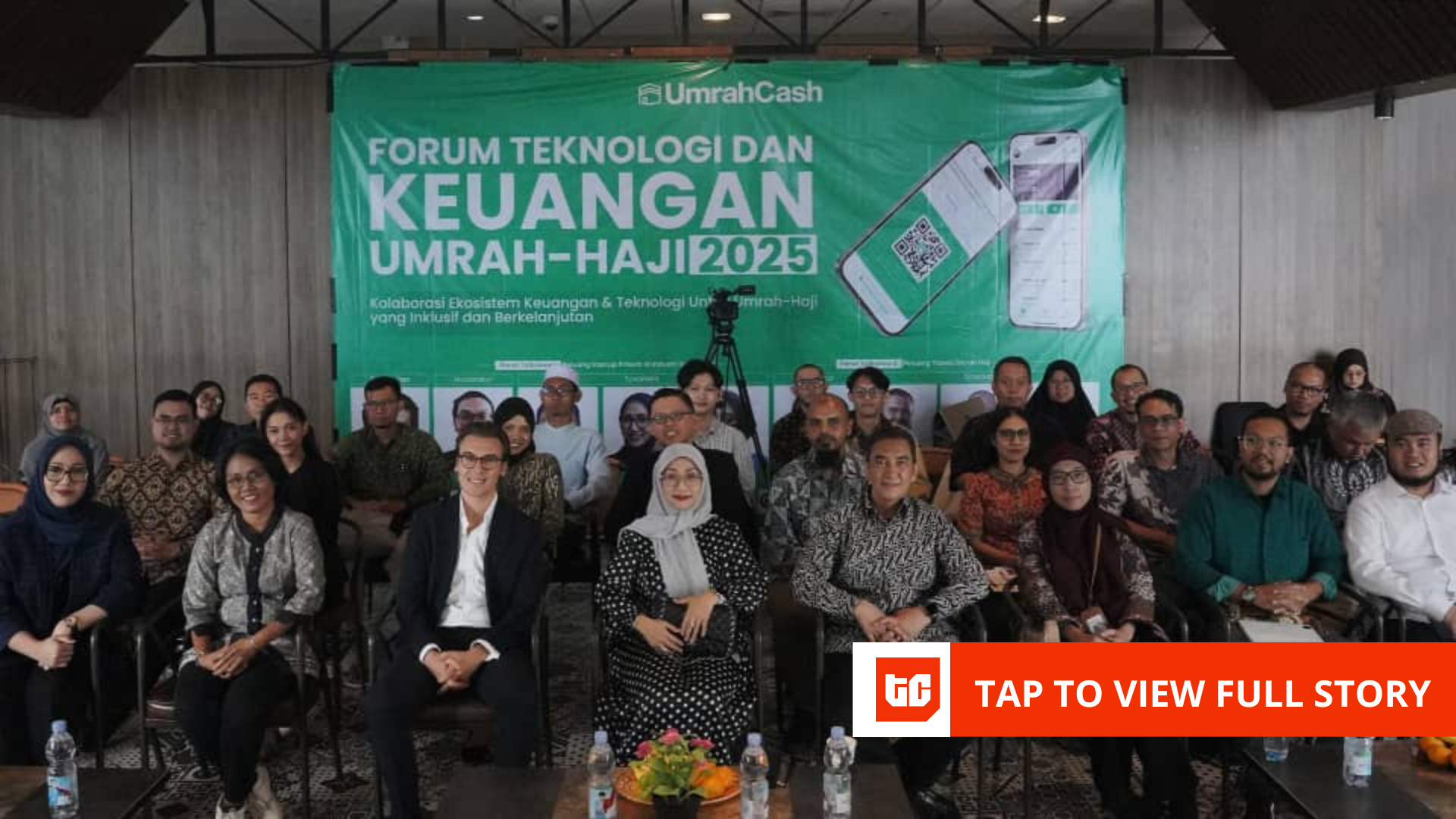
In March 2025, UmrahCash extended its services to Niger, testing its model in another West African Muslim-majority country facing similar currency challenges. By September, the company ventured into Indonesia-the world’s largest Muslim nation and a major source of Umrah pilgrims. Indonesia’s religious tourism economy is projected to reach IDR 19.4 trillion ($11.5 billion) by 2030, according to former finance minister Sri Mulyani Indrawati.
Indonesia’s advanced digital payments ecosystem and clearer regulatory framework provide UmrahCash with opportunities to pilot more sophisticated financial products, including savings plans, installment options, and credit facilities for travel operators. “Fintech is well-established in Indonesia, with wallet-based apps and credit cultures being mainstream,” Phelps observes. “The trust gap is smaller, purchasing power is higher, and regulations are more transparent compared to Nigeria.”
Funding, Sharia Compliance, and Market Positioning
William Phelps, originally from the UK, relocated to Nigeria nearly four years ago. His experience working in Lagos, Kano, and Riyadh as an investment manager at Adaverse, a crypto-linked venture studio connected to Cardano, provided him with unique insights into the financial challenges faced by West African pilgrims and the rigid payment systems in Saudi Arabia. In 2024, UmrahCash secured $500,000 in funding from Adaverse to fuel its growth.
Sharia compliance is central to UmrahCash’s operations, especially given its focus on northern Nigeria, where Islamic finance principles strongly influence consumer preferences. The startup ensures that customer funds and investment channels adhere strictly to Islamic financial laws, emphasizing ethical and halal-compliant investment opportunities. “Many existing lending apps cannot guarantee 100% Sharia-compliant returns,” Phelps explains. “Our entire operation is designed to be halal.”
Despite the large Muslim population in Nigeria-approximately 60%-formal Islamic banks have yet to fully capitalize on the demand for halal financial services. Phelps points out that these banks lack robust outreach and product diversity, leaving a gap that fintech startups like UmrahCash are poised to fill. Currently, many northern Nigerians rely on platforms like Opay, which are not Sharia-compliant, underscoring the untapped potential in ethical banking.
Future Prospects and Strategic Growth
UmrahCash’s strongest foothold remains in northern Nigeria, boasting over 6,000 active users who collectively transact more than $1 million monthly. The startup has forged partnerships with several northern state governments and travel agencies in Abuja and Kano, becoming a critical player in managing foreign exchange for pilgrims.
While Phelps has not disclosed specific revenue figures, he emphasizes the importance of scalability and diversification in the company’s business model. Plans are underway to pursue a microfinance banking license in Nigeria, which would enable UmrahCash to hold customer deposits, expand its suite of financial services, and compete more effectively with regional banks.
In Indonesia, the company aims to integrate savings, lending, credit scoring, and merchant payment functionalities into its platform. Meanwhile, in Nigeria, the focus remains on building trust, expanding regional presence, and deepening collaborations with state governments and travel operators.
Looking ahead, UmrahCash is exploring automation enhancements in foreign exchange management and considering expansion into other Muslim-majority countries such as Pakistan and Bangladesh, where similar challenges around Islamic identity, cash dependency, and currency restrictions exist.
Ultimately, UmrahCash envisions itself as the financial cornerstone for religious travel in emerging markets, supporting pilgrims throughout their entire journey-from saving and planning at home to accessing funds abroad.
