
![JUST IN: FCT Police officers clash with Lt. Yarima over Covered Plate Number [PHOTOS/VIDEO]](https://oyogist.com/wp-content/uploads/2025/11/76794-just-in-fct-police-officers-clash-with-lt-yarima-over-covered-plate-number-photos-video.jpeg)
Table of Contents
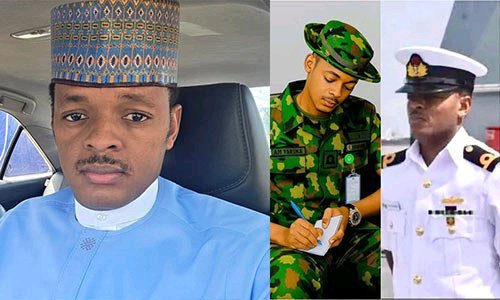
FCT Police Interrogate Navy Lieutenant Over Obscured License Plate
In a recent incident that has sparked widespread attention, officers from the Federal Capital Territory (FCT) Police Command stopped Lieutenant A.M. Yerima of the Nigerian Navy after noticing that his vehicle’s license plate was intentionally concealed. The encounter, recorded on video and rapidly shared across social media platforms, has ignited discussions about law enforcement protocols and military accountability on public roads.
Confrontation Caught on Camera
The video footage reveals a tense exchange where police personnel demand an explanation from Lt. Yerima regarding the covered number plate. Despite his assertion of military rank and status as “an officer,” the police insist on proper identification and compliance with traffic regulations. The dialogue escalates as Yerima challenges the officers’ authority, accusing them of misconduct.
Background: Previous Disputes Involving Lt. Yerima
This episode follows a notable confrontation between Lt. Yerima and the FCT Minister, Nyesom Wike, which attracted national media coverage. In that earlier event, military forces reportedly obstructed Minister Wike and his delegation from accessing a contested land site in Abuja’s Gaduwa area, sparking debates about the balance between civilian governance and military influence.
Recent Developments: Security Concerns and Investigations
Adding to the complexity, reports have surfaced that Lt. Yerima was pursued by unidentified vehicles in Abuja on Sunday. Utilizing evasive driving tactics, he reportedly escaped the tailing vehicles. Authorities have launched an inquiry into the incident, raising concerns about his personal security and the broader ramifications linked to the ongoing land dispute.
Implications for Law Enforcement and Military Relations
This confrontation underscores the challenges faced by Nigerian law enforcement in enforcing traffic laws uniformly, regardless of an individual’s status or rank. It also highlights the delicate dynamics between military personnel and civilian authorities, especially in the context of public order and jurisdictional boundaries.
