
Table of Contents
Vibrant Climate Demonstrations Energize COP30 in Belém, Brazil
By Georgina Rannard, Climate and Science Correspondent, Belém, Brazil
Dynamic Protests Mark Return of Public Demonstrations at COP
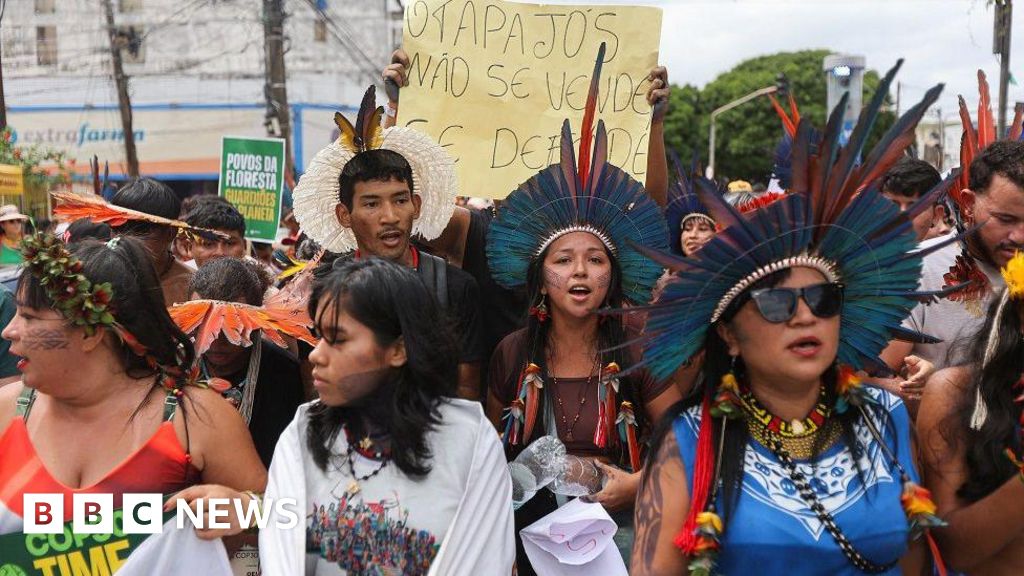
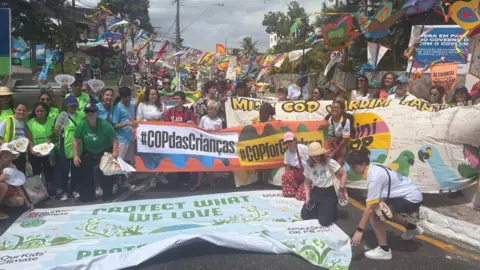
For the first time since 2021, the streets outside the United Nations COP30 climate summit in Belém have come alive with the voices of thousands of activists. Marching to the rhythm of booming sound systems, demonstrators have brought a powerful message demanding an end to fossil fuels and urgent climate action.
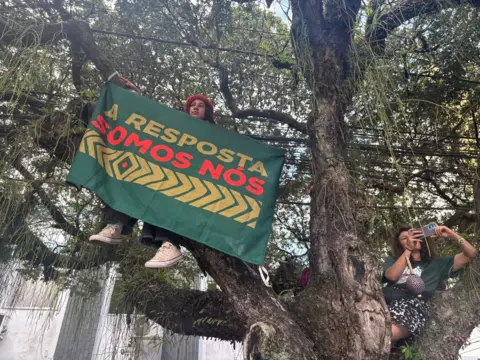
Participants carried three oversized coffins labeled “Oil,” “Coal,” and “Gas,” accompanied by figures dressed as grim reapers, symbolizing the deadly impact of fossil fuels on the planet. Indigenous leaders held placards declaring “The answer is us,” while a giant inflatable elephant and anaconda snaked through the crowd under the intense tropical sun.
This resurgence of public protest contrasts sharply with the previous three COP events, which were held in countries where public demonstrations were prohibited, making this a significant moment for climate advocacy.
Voices from the Frontlines: Indigenous and Youth Activists Lead the Charge
Tuga Cíntia, a member of the Hydra Dance theatre troupe from the Federal University of Pará, described the march as “a funeral for fossil fuels.” She emphasized the urgency of moving beyond dialogue to tangible action, stating, “Enough with COP meetings and theory; it’s time to act.”
The march united indigenous communities, youth activists from Brazil, and international environmental advocates, all rallying for justice and the protection of vulnerable ecosystems.

Global Solidarity Amidst Rising Temperatures and Fossil Fuel Dependence
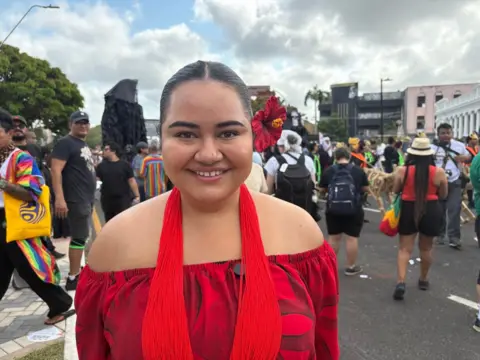
As the midday heat intensified, some demonstrators sought refuge at a nearby petrol station, underscoring the paradox of protesting fossil fuel consumption while surrounded by its infrastructure. Brianna Fruean, a climate advocate from Samoa-an island nation severely threatened by rising sea levels-shared her perspective: “Living on the frontlines of climate change, we know the stakes all too well. After numerous COPs, we march for justice and an end to fossil fuels.”
Ilan, representing the NGO 350 Brazil, echoed this sentiment, highlighting the persistent reliance on planet-warming energy sources despite decades of international negotiations.
Indigenous Rights and Biodiversity Protection at the Forefront
Many protesters carried signs demanding “Demarcation Now,” calling for legal recognition and protection of indigenous lands. The Amazon rainforest, home to hundreds of indigenous groups, is widely recognized by scientists as a critical bastion of biodiversity and a vital carbon sink.
Parallel demonstrations have also taken place globally, including in the United Kingdom, reflecting widespread concern over environmental degradation and climate justice.
Security measures at the COP30 venue were stringent, with riot police stationed at entrances. Earlier in the week, tensions escalated when protesters breached security lines, resulting in minor injuries and some damage to the site.
Despite being branded the “Indigenous People’s COP,” many indigenous representatives feel sidelined, setting up stalls outside the fenced summit area to engage delegates directly and raise awareness about deforestation, land rights, and resource exploitation.
Negotiations Stall Amidst Fossil Fuel Lobbying and Political Absences
Nearly 200 nations convened at COP30 to advance global climate commitments, yet progress during the initial week has been limited. Some delegations are advocating for a concrete roadmap to fulfill previous pledges aimed at phasing out fossil fuels.
Brazilian President Luiz Inácio Lula da Silva selected Belém as the summit location to spotlight the Amazon’s critical role in climate stability. However, controversy arose when, just before the talks commenced, the Brazilian government authorized state oil company Petrobras to explore new oil reserves at the Amazon’s mouth, raising concerns about conflicting priorities.
Analysis by the coalition Kick Big Polluters Out (KBPO) revealed a record presence of fossil fuel industry representatives at the summit, with approximately 1,600 lobbyists-an increase of 12% compared to last year-highlighting the ongoing influence of polluters in climate policymaking.
Challenges and Commitments: The Road Ahead for COP30
The absence of the United States delegation-the first since the inception of the COP process-has been a notable setback. The US withdrawal follows former President Donald Trump’s dismissal of climate change as a “hoax,” complicating international consensus.
In response to rising misinformation, a coalition of senior climate leaders issued a joint letter urging the summit to uphold scientific integrity. Ten countries have endorsed the Declaration on Information Integrity on Climate Change, an initiative launched at COP30 to combat climate disinformation and promote fact-based dialogue.
Brazil has pledged that COP30 will translate years of climate agreements into actionable outcomes, focusing on both mitigation and adaptation strategies to address the escalating global warming crisis.
The negotiations are ongoing, with hopes that the coming days will yield substantive commitments to safeguard the planet’s future.
