
Table of Contents
Benin Unveils Comprehensive National Health Sector Report
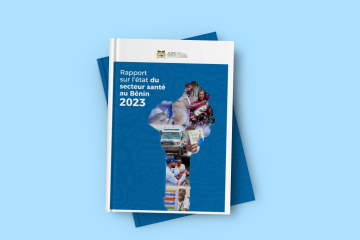
On Tuesday in Cotonou, Benin officially released its inaugural national report detailing the current state of its health sector. This extensive analysis was crafted by the Health Sector Regulatory Authority (ARS) with collaborative support from the Ministry of Health and the World Health Organization (WHO). The report offers a systematic evaluation of the health system’s performance, highlighting significant advancements, ongoing challenges, and strategic priorities for future enhancement.
A Decade of Health Sector Insights Consolidated
For the first time, Benin possesses a definitive reference document that meticulously compiles and interprets health system data spanning the last ten years. Presented at the Palais des Congrès, the report provides a detailed snapshot of the health landscape as of 2023. Government officials emphasize that this document serves as a critical instrument to inform and refine public health policy decisions.
Evidence-Based Governance: A Commitment to Data-Driven Health Policies
Professor Benjamin Hounkpatin, Minister of Health, described the report as a thorough, impartial, and data-driven assessment of Benin’s health sector over the past decade. He acknowledged the technical expertise provided by WHO specialists and the vital data validation role played by the National Institute of Statistics and Demography (INSTaD). The Minister underscored that the Health Sector Status Report (RAESS) embodies the government’s dedication-under the visionary leadership of President Patrice Talon-to grounding health policies in robust evidence and independent evaluations, thereby enhancing the resilience and responsiveness of the national health system.
Collaborative Approach to Data Collection and Validation
Venance Gandaho, Executive Secretary of ARS, highlighted the participatory methodology underpinning the report’s development. This approach engaged departmental health directorates, local technical teams, and INSTaD to ensure data accuracy and comprehensiveness. He noted that this inaugural edition offers a holistic perspective that will benefit policymakers and development partners alike.

WHO Endorses the Report as a Catalyst for Informed Decision-Making
Dr. Kouamé Jean Konan, WHO Resident Representative and coordinator of health sector partners, emphasized the report’s role in fostering a culture of analytical rigor and evidence-based policymaking. He pointed out that Benin’s health challenges-including rapid population growth, the rise of non-communicable diseases, and climate change impacts-necessitate strategic planning grounded in reliable data. “Regular, comprehensive assessments of the health system are now indispensable,” he stated.
Partners’ Commitment to Supporting Health Sector Reforms
Representing the collective technical and financial partners, Dr. Konan reaffirmed their steadfast support for the Beninese government in implementing the report’s recommendations. This collaboration is founded on principles of solidarity, shared responsibility, and a unified vision for health sector advancement.

Positive Developments and Ongoing Challenges in Benin’s Health Sector
The report documents several encouraging trends, such as a steady reduction in maternal and child mortality rates, enhanced immunization coverage, and decreased incidence and fatalities from priority illnesses like malaria and HIV/AIDS. Investments in healthcare infrastructure, including the establishment of new hospitals and health centers equipped with advanced diagnostic technologies, have expanded access to essential services. Minister Hounkpatin highlighted these achievements as evidence of progress made in recent years.
Nonetheless, the report also identifies critical obstacles. Health sector funding remains insufficient relative to the growing demands, many facilities require substantial renovation, and communicable diseases such as malaria and respiratory infections continue to strain healthcare resources. Additionally, the shortage of qualified healthcare professionals poses a significant challenge amid increasing patient needs.
Call to Action for Universal and Equitable Health Coverage
“These insights urge all stakeholders-including government bodies, development partners, civil society, and the private sector-to intensify collaborative efforts toward achieving universal, equitable, and sustainable health coverage,” concluded Professor Hounkpatin.
Strengthening Health Data Systems for Continuous Improvement
Dr. Lucien Dossou-Gbété, President of ARS, emphasized that the report should serve as a foundation for ongoing monitoring and evaluation. He advocated for sustained investment in data collection and analysis to enable timely performance assessments and adaptive policy adjustments. “Enhancing the quality of health data is paramount to boosting the overall effectiveness of the health system,” he asserted.
Benin’s Strategic Leap Toward Health Sector Governance Excellence
With this landmark publication, Benin marks a significant advancement in structuring its health sector governance framework. Authorities and partners view the report as a practical tool to guide future reforms and consolidate gains, ultimately aiming to ensure that all citizens have sustainable access to high-quality healthcare services.
