
Table of Contents
Table of Contents
- Rethinking Energy Solutions for Nigeria’s Data Centres Amid Rising Costs
- Energy Efficiency: A Non-Negotiable for Competitiveness
- The Power-Hungry Backbone of Digital Innovation
- Escalating Energy Expenses in Nigeria’s Data Centres
- Strategizing a Hybrid Energy Model for Sustainable Growth
- Regional Trends in Green Data Infrastructure
- Embedding Sustainability into Business Growth
- Policy Collaboration Fuels Industry Optimism
- Competitive Edge Through Neutrality and Reliability
- Exploring Expansion Beyond Nigeria
- Envisioning a Sustainable Digital Future
Rethinking Energy Solutions for Nigeria’s Data Centres Amid Rising Costs
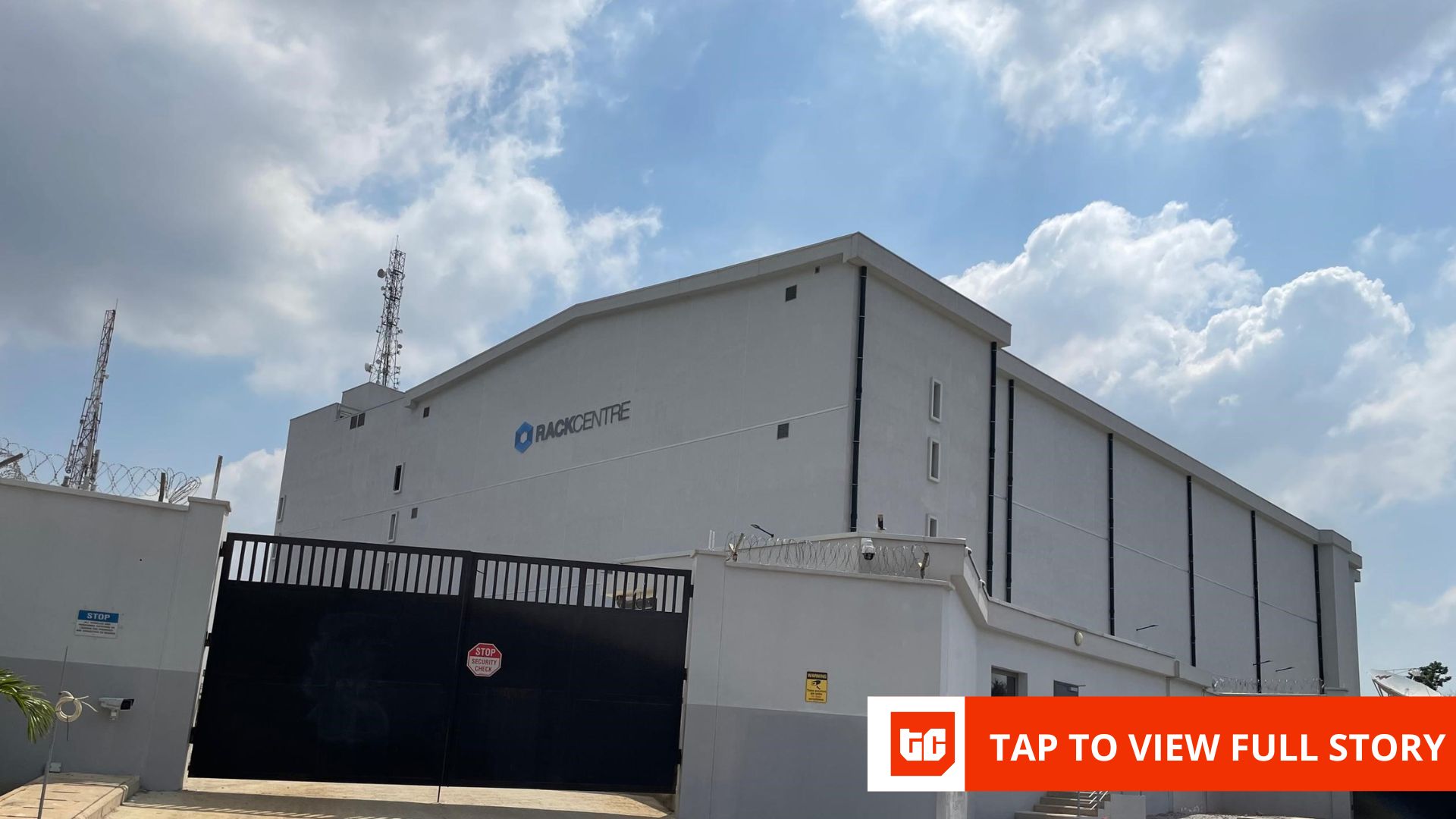
As diesel prices soar to nearly ₦1,000 per litre and Nigeria’s national grid struggles to provide a consistent 5,000 megawatts-insufficient for a population exceeding 215 million-data centre operators are compelled to explore alternative power sources. Lagos-based Rack Centre, a carrier-neutral data centre provider, is pioneering a transition towards integrating natural gas and solar energy to meet the escalating power demands of Nigeria’s burgeoning digital economy while maintaining operational efficiency.
Energy Efficiency: A Non-Negotiable for Competitiveness
Lars Johannisson, CEO of Rack Centre, emphasized in a TechCabal interview on October 28, 2025, that optimizing energy consumption is no longer optional but essential for survival in the data centre industry. “Data centres represent significant capital investments, often exposed to currency fluctuations,” Johannisson explained. “Therefore, managing costs and energy use is not a preference but a necessity for both our business and our clients.”
The Power-Hungry Backbone of Digital Innovation
Data centres underpin critical digital services such as cloud computing, artificial intelligence, fintech, and enterprise IT. Globally, these facilities consumed approximately 415 terawatt-hours (TWh) of electricity in 2024, accounting for 1.5% of total global electricity use, with forecasts indicating a potential doubling by 2030. In Africa, data centre energy demand is expanding rapidly at an annual rate of 20-25%, with Nigeria facing unique challenges due to unreliable grid power and high diesel costs.
Escalating Energy Expenses in Nigeria’s Data Centres
Energy expenditures now constitute over 35% of operational costs for Nigerian data centres, a figure significantly higher than in many other regions. For instance, a 1-megawatt data centre relying on diesel generators can consume around 270 litres of diesel per hour, translating to an hourly cost exceeding ₦275,000 at current diesel prices.
Strategizing a Hybrid Energy Model for Sustainable Growth
To tackle these challenges, Rack Centre is implementing a hybrid energy approach that combines natural gas and solar power to reduce dependence on diesel and stabilize energy costs. “Solar installations have become integral to our operations,” Johannisson noted. “Simultaneously, we continue to invest in gas-powered generation, which remains one of the most cost-effective and reliable energy sources available.”
Natural gas offers multiple benefits in Nigeria’s energy context: it is typically 30-60% cheaper than diesel, produces fewer emissions, and provides a steadier supply. By integrating solar and gas, Rack Centre aims to buffer against fuel price fluctuations and lower its carbon emissions, aligning with client sustainability objectives and Nigeria’s national energy transition goals.
Regional Trends in Green Data Infrastructure
Across Africa, there is a growing push towards environmentally friendly data centre solutions. Companies like Africa Data Centres (ADC) and Open Access Data Centres (OADC) have introduced solar and hybrid energy systems in countries such as South Africa and Kenya, while exploring gas-powered options for Nigeria. Rack Centre’s approach prioritizes Nigeria’s market, positioning solar and gas as foundational elements for resilience and competitive advantage.
Embedding Sustainability into Business Growth
Since its inception in 2013, Rack Centre has championed sustainability as a core value. Operating a Tier III-certified facility with an impeccable record of zero downtime over more than ten years, the company views operational reliability and environmental stewardship as intertwined priorities.
“Our clients demand energy-efficient solutions that support their growth with minimal carbon impact,” Johannisson said. “Our ongoing investments in gas and photovoltaic (PV) solar technologies are part of our commitment to what we term sustainable digitalisation.”
The company’s recent 12-megawatt hyperscale-ready expansion exemplifies this philosophy. Designed to accommodate high-density racks-ranging from 40 to over 100 kilowatts-it is tailored for emerging AI and GPU-intensive workloads, which require enhanced cooling and power efficiency. Rack Centre is heavily investing in these areas to maintain a competitive edge.
Policy Collaboration Fuels Industry Optimism
Despite concerns about regulatory hurdles in Nigeria’s digital infrastructure sector, Johannisson remains hopeful. He commends ongoing partnerships with agencies like the National Information Technology Development Agency (NITDA) and the Nigerian Communications Commission (NCC) on initiatives related to data sovereignty, cloud adoption, and digital infrastructure development.
“I don’t see any policies hindering progress,” he remarked. “On the contrary, emerging policies around data sovereignty, cloud-first strategies, and energy transition are poised to accelerate sector growth.”
Johannisson stresses the importance of government incentives to encourage energy investments critical for the digital economy’s expansion. “Data centres are long-term infrastructure projects. Without expanding energy capacity, bridging the digital divide and supporting Nigeria’s youthful population will remain unattainable,” he added.
Competitive Edge Through Neutrality and Reliability
Rack Centre distinguishes itself by maintaining “cloud and access neutrality,” enabling it to host clients from various cloud providers and network operators without bias. This neutrality fosters trust and scalability within Nigeria’s digital ecosystem.
“Major cloud providers prefer data centres that are access-neutral,” Johannisson explained. “This approach positions us well for future growth, which will predominantly occur in cloud and access-neutral environments.”
Moreover, Rack Centre boasts an unbroken operational record since 2013, underscoring its commitment to uptime. “We have not experienced a single second of downtime, which is central to our identity,” Johannisson stated proudly.
This reliability, combined with a diverse network of carriers, internet service providers, and enterprise clients, establishes Rack Centre as a premier digital interconnection hub in West Africa.
Exploring Expansion Beyond Nigeria
While Nigeria remains Rack Centre’s primary focus, the company is assessing selective growth opportunities in East, Southern, and North Africa, regions witnessing accelerated cloud adoption. “We anticipate similar demand trends in East Africa, Egypt, and parts of North Africa,” Johannisson noted.
Nonetheless, the immediate priority is to deepen Rack Centre’s presence in Nigeria, Africa’s largest and most promising cloud market. “Nigeria represents the continent’s most significant cloud opportunity,” he affirmed.
Envisioning a Sustainable Digital Future
Rack Centre’s hybrid gas-solar energy strategy offers a blueprint for the future of data centre power in Africa-one that harmonizes sustainability, efficiency, and reliability. For Johannisson, this approach transcends cost savings; it redefines how the continent can fuel its digital transformation.
“Ultimately, sustainable energy is not merely an environmental choice but a critical business imperative,” he concluded. “Solving the energy challenge is key to unlocking Nigeria’s full digital potential.”
