
Table of Contents
Table of Contents
- Independent Review Exposes Deep-Rooted Systemic Racism Within the Metropolitan Police
- Comprehensive Investigation Reveals Endemic Anti-Black Bias in the Met
- Disparities in Treatment of Officers and Communities
- Historical Context and Ongoing Challenges
- Calls for Immediate and Concrete Reform
- Leadership Responses and the Demand for Cultural Overhaul
- Looking Forward: The Path to Genuine Change
Independent Review Exposes Deep-Rooted Systemic Racism Within the Metropolitan Police

Comprehensive Investigation Reveals Endemic Anti-Black Bias in the Met
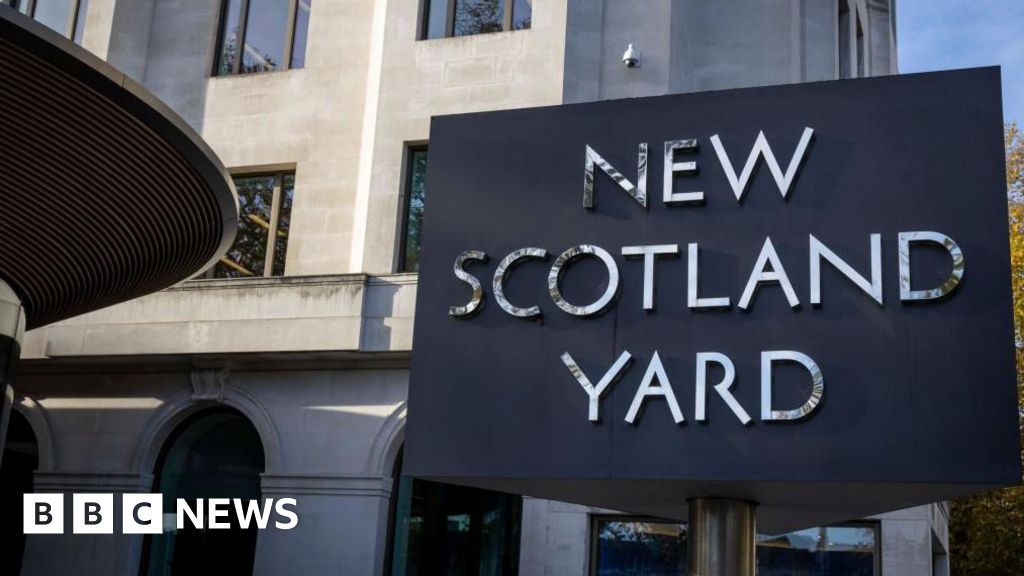
An independent inquiry has uncovered that the Metropolitan Police Service (Met) is grappling with entrenched systemic racism, particularly anti-Black prejudice, embedded within its organizational framework. The report, commissioned from consultancy HR Rewired and authored by Dr. Shereen Daniels, scrutinized the Met’s leadership, governance, culture, and operational systems, concluding that racial harm is perpetuated through a recurring institutional pattern.
Dr. Daniels emphasized that racism and anti-Blackness are not incidental but are ingrained in the very design of the institution. “This is not merely about perception; it is about structural realities that demand precise accountability,” she stated. The report highlights that the same mechanisms fostering racial harm also facilitate other forms of injustice, underscoring that addressing these issues is essential for ensuring fairness and safety for all.
Disparities in Treatment of Officers and Communities
The review found that Black officers with darker skin tones are disproportionately labeled as confrontational, whereas their lighter-skinned counterparts often receive more empathy and leniency. This bias extends beyond the force to the communities they serve, where darker-skinned individuals are more frequently perceived as threatening, leading to a higher likelihood of force being authorized against them.
One particularly troubling finding is the “adultification” of Black children-where they are viewed as more mature and less vulnerable than their peers, resulting in their actions being criminalized rather than understood in context. This phenomenon contributes to the systemic marginalization and mistreatment of Black youth.
Historical Context and Ongoing Challenges
The report draws on over four decades of evidence demonstrating how racism has shaped the Met’s interactions with Black communities and affected Black personnel within the force. This is not a new revelation; previous investigations, including the landmark 1999 Macpherson Report, have identified the Met as institutionally racist following the mishandling of Stephen Lawrence’s murder case.
More recently, the 2023 review led by Baroness Louise Casey, prompted by the Sarah Everard case, described the Met as institutionally racist, misogynistic, and homophobic. Additionally, undercover BBC footage earlier this year exposed serving officers making inflammatory remarks about immigrants and boasting about excessive use of force, leading to several dismissals.
Calls for Immediate and Concrete Reform
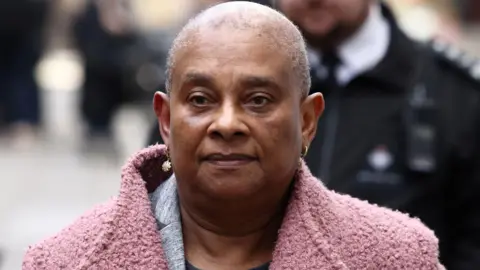
Baroness Doreen Lawrence, whose son Stephen’s murder exposed institutional failings, urged the Met to confront and accept the reality of discrimination. “Racism is the reason my son was killed and why the police failed to bring all his killers to justice,” she said. “Promises of change are meaningless while we continue to endure harm. Reform must happen now.”
Imran Khan KC, the Lawrence family’s legal representative, echoed this sentiment, warning that if Commissioner Sir Mark Rowley does not fully acknowledge the report’s findings, he should consider stepping down. “The era of empty promises is over; this report demands urgent action,” Khan asserted.
Leadership Responses and the Demand for Cultural Overhaul
Commissioner Sir Mark Rowley acknowledged the gravity of the issues, affirming the Met’s commitment to rooting out discriminatory practices and fostering an inclusive environment. “London’s diversity is its strength, and policing must reflect that by being truly anti-racist,” he said. The force plans to identify and dismantle discriminatory patterns both in operational activities and internal culture.
However, Andy George, president of the National Black Police Association, criticized the leadership’s repeated assurances without tangible progress. “We have seen countless reports highlighting the same problems, yet the culture of denial persists. Once public scrutiny fades, business returns to usual,” he remarked on BBC Radio 4’s Today programme.
A spokesperson for London Mayor Sir Sadiq Khan described the report’s findings as “stark” and urged the Met’s senior leadership to accelerate cultural reforms. “There must be zero tolerance for racism, and a fundamental transformation of the Met’s culture is essential,” the spokesperson emphasized.
Looking Forward: The Path to Genuine Change
Addressing systemic racism within the Metropolitan Police is a complex but urgent task. The accumulation of evidence over decades, coupled with recent revelations, underscores the necessity for decisive, transparent, and sustained reforms. This includes revising recruitment, training, accountability mechanisms, and community engagement strategies to rebuild trust and ensure equitable treatment for all.
As London continues to evolve as a global metropolis, the Met’s ability to serve and protect all its residents fairly will be a critical measure of its success. The latest report serves as a clarion call for immediate action to dismantle institutional racism and foster a policing culture grounded in justice and respect.
