
Table of Contents
Table of Contents
Peter Obi Responds to Criticism Over Addressing Oba Ladoja as “Dear Brother”
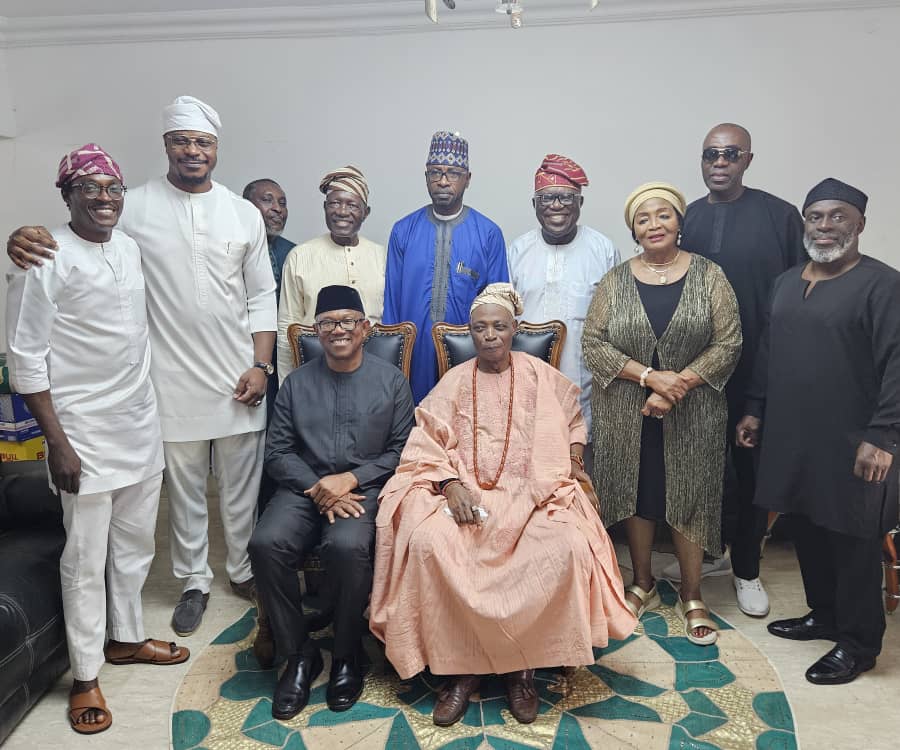
Peter Obi, the Labour Party’s presidential candidate in Nigeria’s 2023 elections, has issued a clarification regarding his recent congratulatory message to Oba Rashidi Adewolu Ladoja, the newly installed traditional ruler of Oyo State.
Context of the Controversy
In his message, Obi referred to Oba Ladoja as his “dear brother,” a phrase that sparked debate among some observers who viewed it as a deviation from customary respect and protocol expected when addressing a monarch.
Obi’s Explanation and Intent
Addressing the concerns on his social media platform X (formerly Twitter) on Sunday, Obi emphasized that his choice of words was motivated purely by goodwill and respect, not by any intention to undermine traditional authority.
“I extended my felicitations to my dear elder brother, His Royal Majesty, Oba Rashidi Adewolu Ladoja, upon his coronation,” Obi stated. “I understand the concerns raised about the form of address. I hold protocol and authority in high regard and strive to observe them diligently.”
Personal Style of Addressing Respected Figures
Obi further explained that his use of familial terms such as “my dear elder brother” is a consistent expression of deep respect and affection, especially towards individuals he holds in high esteem.
He cited his longstanding relationship with other traditional rulers, including Igwe Alfred Achebe, the Obi of Onitsha, whom he regularly addresses with similar warmth and regard.
Emphasizing Goodwill Over Formality
Highlighting the importance of intent in communication, Obi reassured the public that his message was sincere and free from any disrespect.
“When evaluating actions, understanding the motive is crucial. I assure everyone that my words were expressed with genuine goodwill and respect,” he concluded.
Broader Implications
This incident underscores the delicate balance Nigerian public figures must maintain between modern expressions of camaraderie and traditional protocols, especially in a country where respect for monarchs remains deeply ingrained in cultural practices.
As Nigeria continues to evolve politically and socially, such interactions highlight the ongoing dialogue between contemporary political discourse and longstanding cultural norms.
