
Table of Contents
Table of Contents

International travelers departing from or arriving in Nigeria should anticipate an increase in airfare costs soon. The Nigerian Civil Aviation Authority (NCAA) has announced the implementation of a new $11.50 surcharge on all tickets for flights crossing Nigerian borders, effective December 1, 2025.
In response, airlines are already recalibrating their pricing structures to incorporate this additional fee, which is expected to lead to noticeable hikes in ticket prices for passengers.
Understanding the New Passenger Information Fee
This surcharge is directly tied to the deployment of the Advance Passenger Information System (APIS), a technology designed to transmit passenger data to airport authorities ahead of flight arrivals and departures.
The NCAA emphasizes that APIS aims to bolster national security measures, streamline immigration procedures, and accelerate data handling at airports across Nigeria.
By enabling pre-emptive screening of travelers, security and immigration personnel can more effectively monitor passenger movements and intercept potential threats early. The system’s rollout is being coordinated closely with the Nigeria Immigration Service to ensure seamless integration.
Impact on Airline Operations and Fare Structures
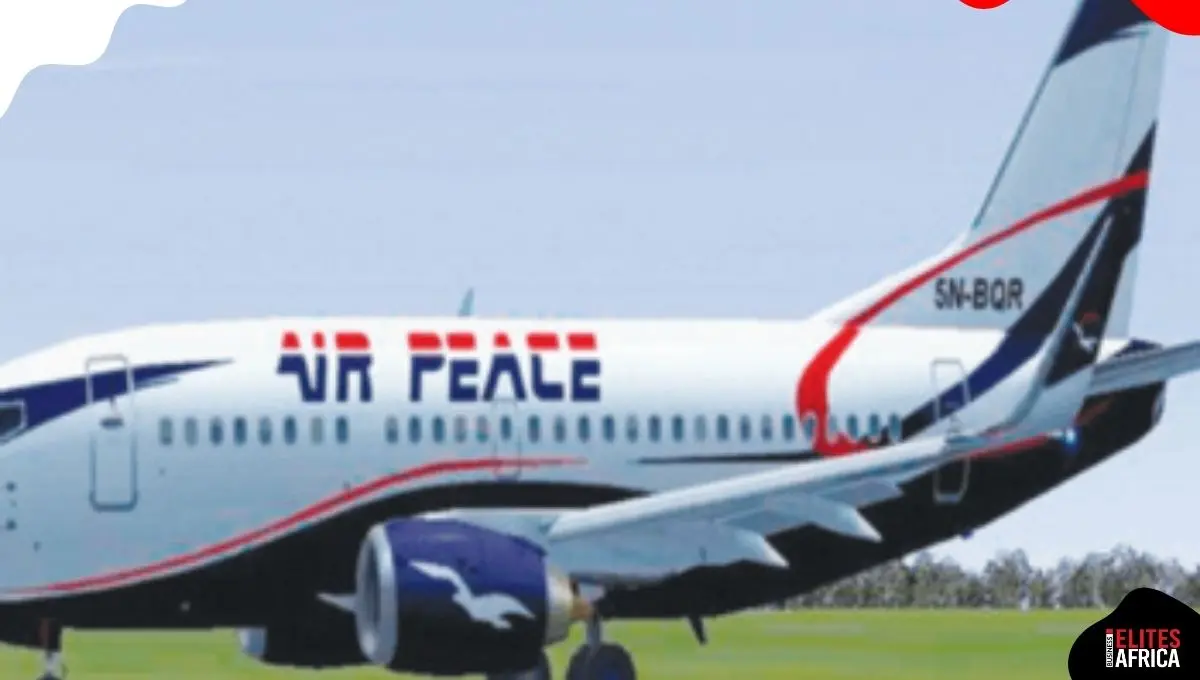
Major Nigerian airlines such as Air Peace and Max Air are already grappling with soaring jet fuel prices and volatile foreign exchange rates, which have strained their operational budgets.
The introduction of this $11.50 fee adds another financial burden, which industry experts predict will be transferred to consumers through increased ticket prices.
Analysts estimate that fares could rise by approximately 5% to 10%, varying by destination, intensifying concerns among travelers who are already facing steep airfare costs.
Several aviation industry stakeholders have voiced opposition to the levy, arguing that it places undue pressure on an industry still recovering from recent economic challenges and global disruptions.
Exemptions from the New Levy
Not all passengers will be subject to this new charge. The NCAA has outlined specific categories eligible for exemption, including infants, diplomatic personnel, airline crew members on official assignments, passengers transiting through Nigeria within 24 hours, and those rerouted due to technical or weather-related issues.
However, these exempt groups represent a small fraction of total travelers, meaning the vast majority will incur the fee.
The NCAA plans to collect this surcharge for up to two decades, with funds earmarked for the ongoing maintenance and enhancement of the APIS infrastructure.
Nigeria’s Growing List of Aviation Fees
Travelers flying internationally from Nigeria are already subject to multiple charges, including a longstanding $20 security levy. Many passengers and airline operators argue that the accumulation of these fees significantly inflates the cost of air travel.
The announcement of the new surcharge is likely to reignite debates about whether the Nigerian government is fostering a conducive environment for both airlines and passengers.
This development comes at a time when Nigerian carriers are aggressively expanding their international footprint. For example, Air Peace recently launched direct flights from Abuja to London Heathrow, marking a significant step in its European expansion. The airline also services routes to the Caribbean via Accra.
Similarly, United Nigeria Airlines is enhancing its fleet with six new Boeing 737 aircraft, aiming to broaden its network and increase passenger capacity.
What Passengers Need to Know Moving Forward
Starting December 2025, travelers should anticipate adjustments in airfare pricing. Even modest increases can have a substantial impact on travel budgets, particularly for families and frequent flyers.
The critical question remains whether the enhanced security and expedited airport processing promised by the NCAA will sufficiently offset the inconvenience and cost of the new fee.
