
Table of Contents
Ismail Guelleh Clinches Sixth Term as Djibouti’s President Amidst Regional Challenges
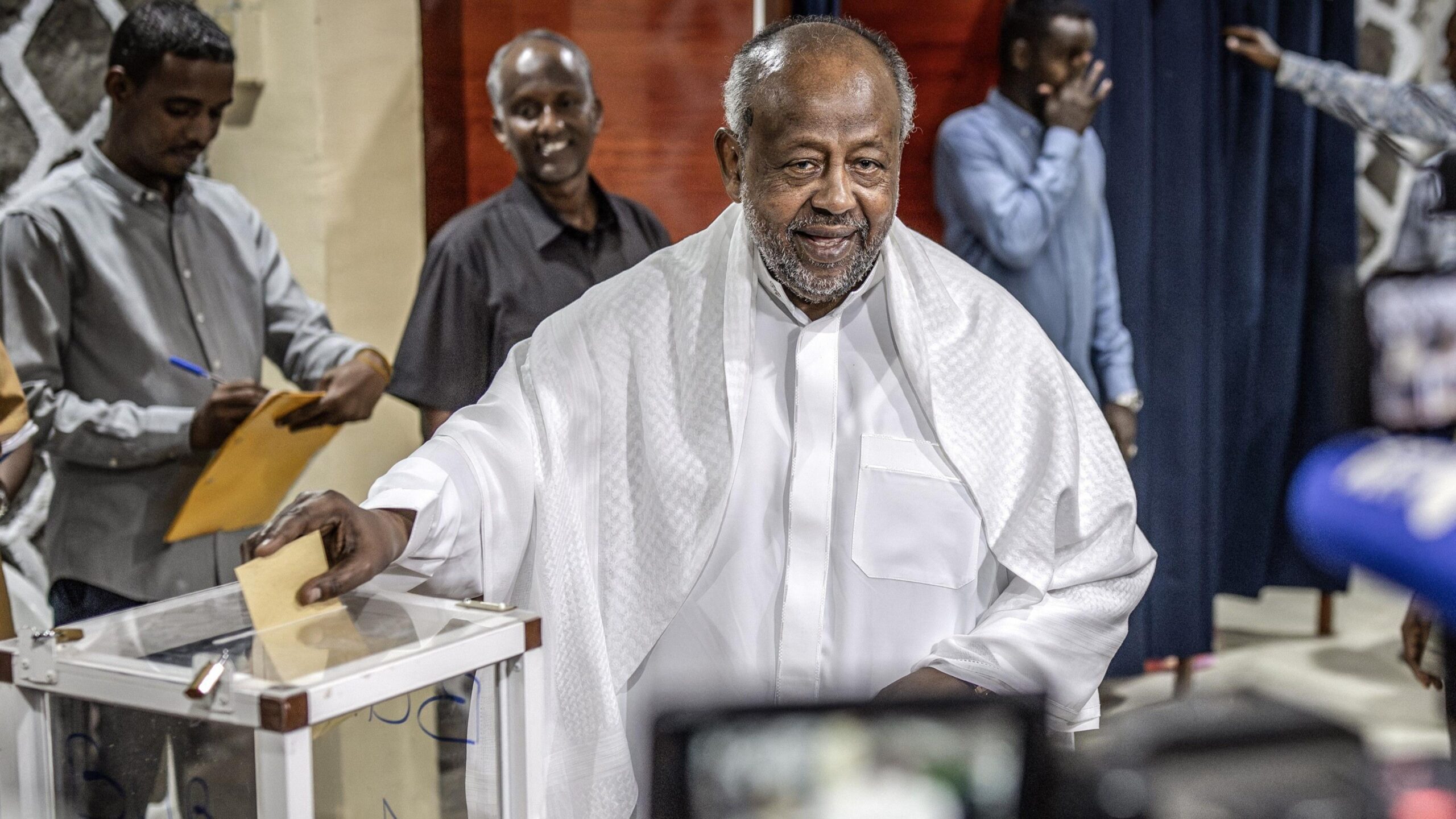
Djibouti’s political landscape remains dominated by President Ismail Guelleh, who has successfully won a sixth consecutive term. His continued leadership underscores the country’s political stability, even as the Horn of Africa faces increasing geopolitical tensions and economic hurdles.
Enduring Leadership in a Strategic Nation
Since first assuming office in 1999, President Guelleh has maintained a firm grip on power, navigating Djibouti through complex regional dynamics. The country’s strategic location at the mouth of the Red Sea, adjacent to one of the world’s busiest shipping lanes, has elevated its geopolitical importance. This has attracted significant foreign military presence, including bases from the United States, China, and France, which further consolidates Guelleh’s influence both domestically and internationally.
Election Results and Political Context
In the most recent election, Guelleh secured a decisive victory, reflecting his entrenched position within Djibouti’s political system. Official reports indicate he garnered over 80% of the vote, a figure that highlights his widespread support but also raises questions about the competitiveness of the electoral process. Opposition parties have criticized the election, citing limited political freedoms and restrictions on dissenting voices.
Economic Development and Challenges
Under Guelleh’s administration, Djibouti has experienced notable economic growth, largely driven by investments in port infrastructure and logistics. The Doraleh Multipurpose Port and the Djibouti International Free Trade Zone have positioned the country as a critical hub for trade between Africa, the Middle East, and Asia. However, despite these advancements, the nation grapples with high unemployment rates and poverty, with nearly 40% of the population living below the poverty line according to recent World Bank data.
Regional Security and Diplomatic Relations
Djibouti’s stability under Guelleh’s rule has been pivotal in a region marked by conflict and instability, including neighboring Somalia and Yemen. The president’s diplomatic efforts have focused on maintaining peace and fostering cooperation among Horn of Africa nations. Additionally, Djibouti’s hosting of multiple foreign military bases has made it a key player in counterterrorism and maritime security operations in the Gulf of Aden and beyond.
Looking Ahead: Prospects for Djibouti’s Future
As President Guelleh embarks on his sixth term, questions about political reform and inclusive governance remain at the forefront. International observers and local activists continue to advocate for greater transparency and democratic practices. Meanwhile, the government aims to leverage its strategic advantages to attract further foreign investment and improve living standards for its citizens.
In summary, Ismail Guelleh’s extended presidency reflects both the continuity and complexities of Djibouti’s political and economic environment. His leadership will be crucial in shaping the country’s trajectory amid evolving regional and global challenges.
