
Table of Contents
US Embassy Reduces Staff in Abuja Amid Escalating Security Threats in Nigeria
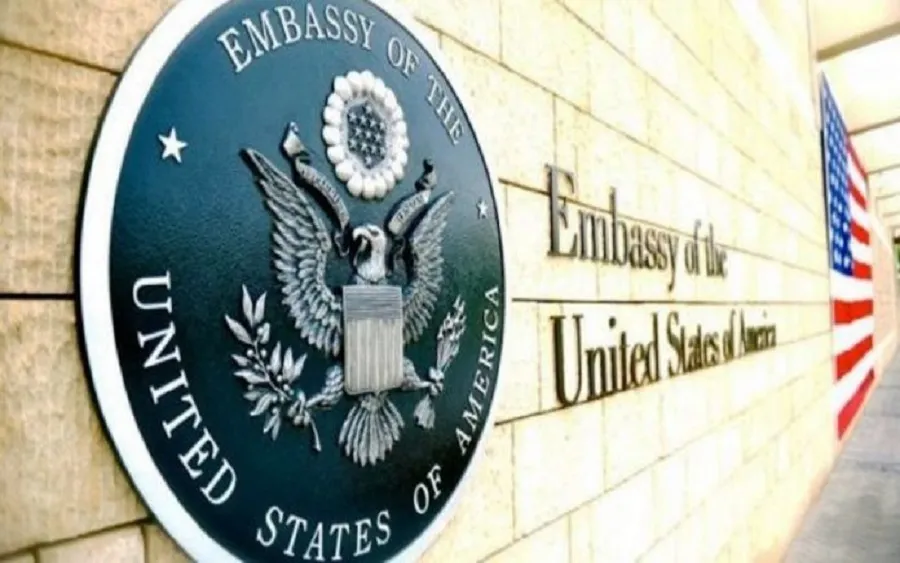
In response to intensifying security challenges, the United States government has mandated the departure of non-essential embassy personnel and their dependents from Abuja. This decision, announced by the US Department of State on Wednesday, April 8, underscores the increasing volatility in Nigeria’s capital and highlights broader concerns about the nation’s deteriorating safety landscape.
Escalating Security Risks Prompt Diplomatic Precautions
The directive to scale back embassy presence comes amid a surge in violent incidents and criminal activities across Nigeria. Over recent months, Abuja and other regions have witnessed a rise in kidnappings, armed robberies, and insurgent attacks, contributing to an environment of heightened insecurity. According to the Nigeria Security Tracker, violent deaths in the country have increased by over 15% in the past year, reflecting a troubling trend that has alarmed both local and international communities.
Implications for Diplomatic Missions and International Relations
This move by the US is not isolated; several other foreign missions have also reassessed their security protocols in Nigeria. The reduction of embassy staff signals a cautious approach to safeguarding personnel while maintaining diplomatic engagement. It also serves as a stark reminder of the challenges facing Nigeria’s government in restoring law and order. The Nigerian authorities have pledged to intensify efforts to combat insecurity, including deploying additional security forces and enhancing intelligence operations.
Broader Context: Nigeria’s Security Landscape
Nigeria’s security issues are multifaceted, involving insurgencies in the northeast, banditry in the northwest, and communal clashes in various states. For instance, the Boko Haram insurgency continues to destabilize parts of Borno and Yobe states, while armed groups in Zamfara and Kaduna have escalated kidnappings for ransom. These overlapping crises have strained the country’s resources and complicated efforts to ensure safety for residents and foreign nationals alike.
Looking Ahead: Strategies for Stability
Experts suggest that addressing Nigeria’s security challenges requires a comprehensive approach combining military action, community engagement, and socioeconomic development. International partners, including the United States, are expected to support these initiatives through aid, training, and intelligence sharing. Meanwhile, the US embassy’s decision to limit non-essential personnel reflects a pragmatic balance between operational continuity and risk management.
Conclusion
The US government’s evacuation order for non-emergency staff in Abuja highlights the urgent need for enhanced security measures in Nigeria. As the country grapples with complex threats, the international community watches closely, hopeful that collaborative efforts will pave the way for a safer and more stable future.
