
Table of Contents
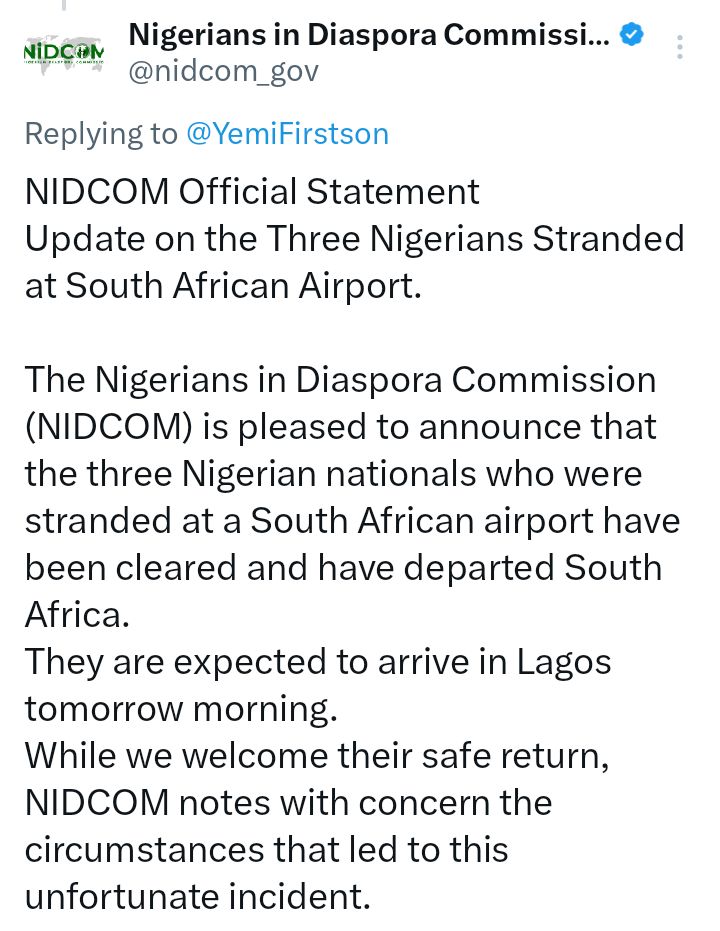
South African Authorities Deport Three Nigerians Following Entry Denial
Incident Overview: Entry Refusal and Subsequent Deportation
South African immigration officials recently expelled three Nigerian citizens after refusing them entry into the country. The decision was based on concerns raised by border authorities regarding the travelers’ documentation and intentions. This move highlights the stringent border control measures currently enforced in South Africa amid rising concerns over illegal immigration.
Contextualizing Border Security Measures in South Africa
South Africa has intensified its immigration scrutiny in recent years, aiming to curb unauthorized entries and maintain national security. According to the Department of Home Affairs, over 15,000 individuals were denied entry at various ports of entry in 2023 alone, reflecting a 12% increase compared to the previous year. These efforts are part of a broader strategy to regulate migration flows and protect economic stability.
Implications for Nigerian Travelers and Regional Mobility
The deportation of these Nigerian nationals underscores the challenges faced by travelers from West Africa seeking access to South Africa. While Nigeria remains one of the largest sources of migrants to the region, South African authorities emphasize the importance of complying with visa requirements and presenting valid travel documents. This incident serves as a reminder for prospective visitors to thoroughly prepare their paperwork to avoid similar outcomes.
Comparative Insight: Immigration Policies Across African Nations
Similar immigration enforcement actions have been observed in other African countries. For instance, Kenya recently tightened its visa issuance process, resulting in a 20% reduction in overstays by foreign nationals in 2023. These measures reflect a continent-wide trend toward more rigorous border management, balancing openness with security concerns.
Looking Ahead: Enhancing Cross-Border Cooperation
Experts suggest that improving diplomatic dialogue and harmonizing immigration policies across African nations could facilitate smoother travel and reduce incidents of deportation. Initiatives like the African Union’s Protocol on Free Movement of Persons aim to promote regional integration while ensuring that security protocols are respected. As these frameworks evolve, travelers and authorities alike may benefit from clearer guidelines and mutual understanding.
