
Table of Contents
Surge in Global Oil Prices Amid Rising Tensions Between the U.S. and Iran
Geopolitical Strains Trigger Sharp Increase in Oil Markets
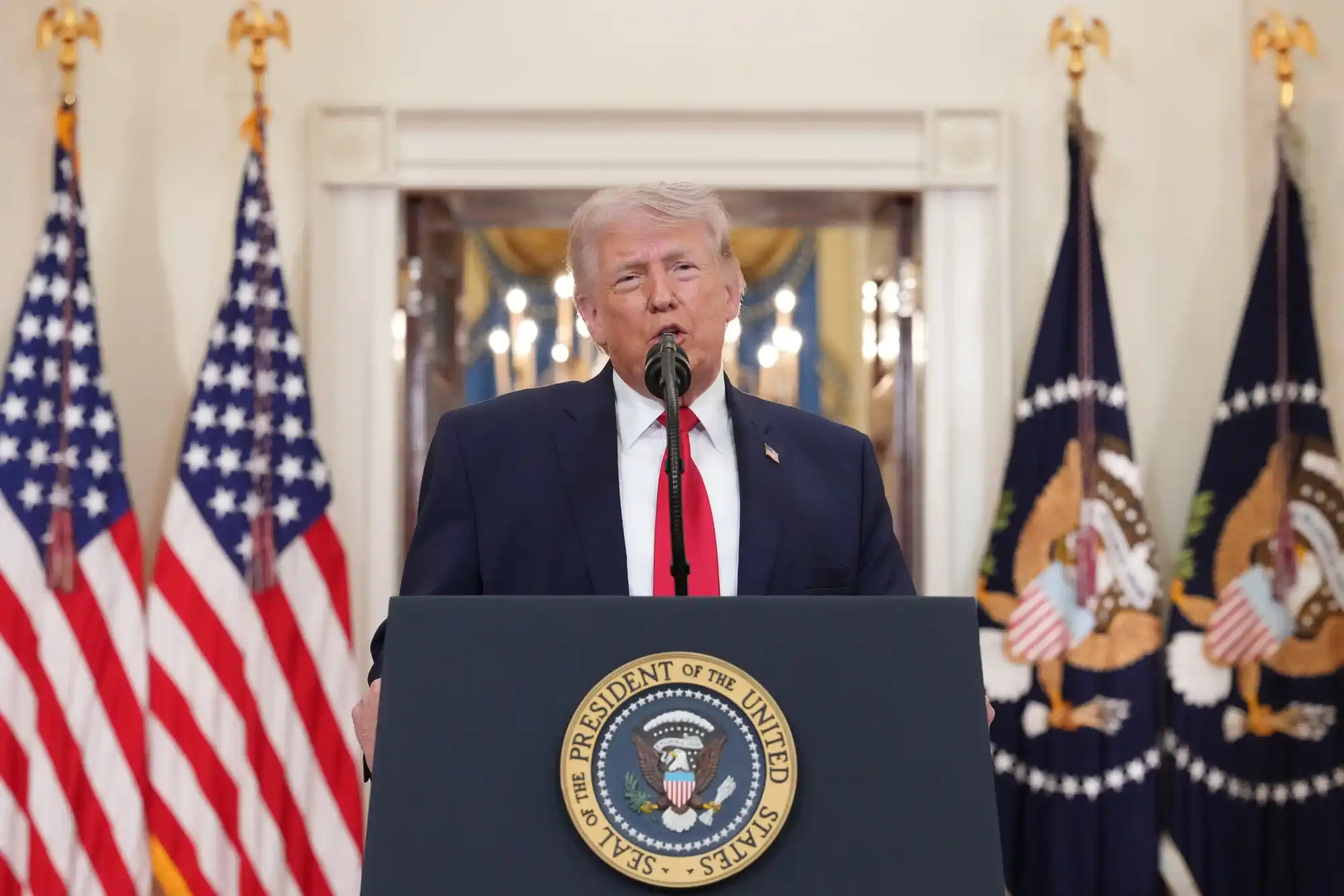
On Thursday, international crude oil prices experienced a significant jump, climbing more than 5% following statements from U.S. President Donald Trump suggesting a potential escalation in military operations against Iran. This development has intensified fears of a prolonged conflict in the Middle East, which could severely disrupt the global energy supply chain.
Implications for Global Energy Security
The recent price surge underscores the vulnerability of oil markets to geopolitical instability, particularly in regions critical to energy exports. The Middle East remains a pivotal area for global oil production, accounting for nearly 30% of the world’s crude output as of 2024. Any sustained conflict could lead to supply shortages, driving prices even higher and impacting economies worldwide.
Historical Context and Current Market Dynamics
Similar spikes in oil prices have occurred during past Middle Eastern conflicts, such as the 1990 Gulf War and the 2019 drone attacks on Saudi oil facilities. These events caused temporary supply shocks, with Brent crude prices rising by up to 10% in short periods. Today’s market is further complicated by ongoing recovery efforts from the COVID-19 pandemic, which have already strained supply chains and demand patterns.
Potential Economic Consequences and Industry Response
Rising oil prices can lead to increased costs for transportation, manufacturing, and consumer goods, potentially fueling inflationary pressures globally. Energy companies are closely monitoring the situation, with some accelerating investments in alternative energy sources to mitigate risks associated with fossil fuel volatility. For instance, renewable energy projects have seen a 15% increase in funding in the first quarter of 2024, reflecting a strategic shift in the industry.
Looking Ahead: Navigating Uncertainty in Energy Markets
As diplomatic efforts continue, market participants remain cautious. Analysts recommend that businesses and governments prepare for potential supply disruptions by diversifying energy sources and enhancing strategic reserves. The current scenario highlights the critical need for resilient energy infrastructure and international cooperation to stabilize markets amid geopolitical uncertainties.
