
Table of Contents
Rising Fuel Costs Impact Drivers Ahead of Easter Amid Middle East Tensions
Fuel Prices Surge as Middle East Conflict Escalates
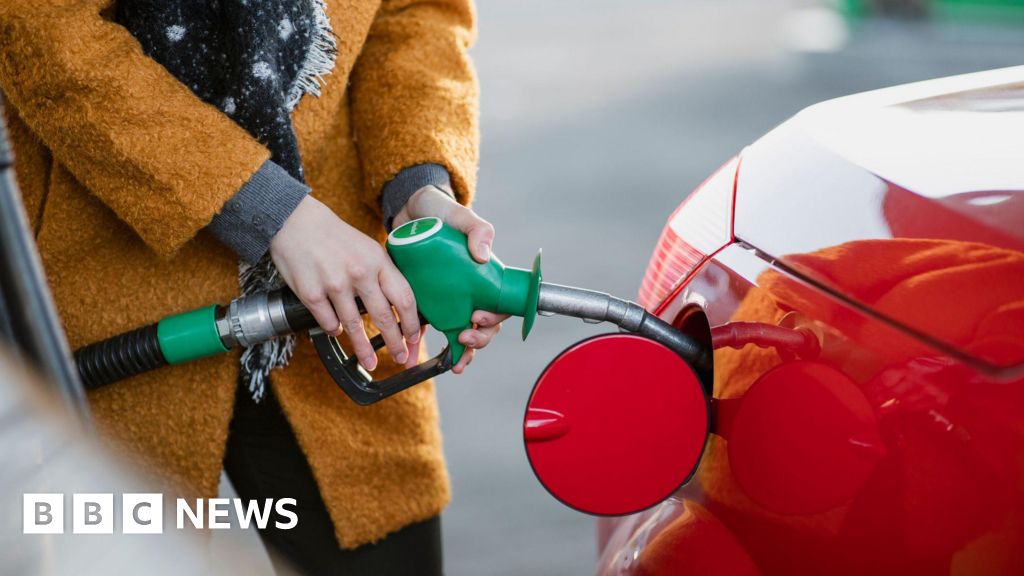
As the Easter holiday approaches, drivers across the country are bracing for a noticeable increase in fuel expenses. The ongoing geopolitical unrest in the Middle East has triggered a sharp rise in global oil prices, directly influencing the cost at the pump. According to the RAC, this upward trend is expected to continue, placing additional financial strain on motorists planning holiday travel.
Global Oil Market Volatility and Its Local Impact
The instability in the Middle East, a region responsible for a significant portion of the world’s crude oil supply, has led to heightened uncertainty in energy markets. Recent data from the International Energy Agency (IEA) indicates that Brent crude oil prices have climbed by over 15% in the past month alone. This surge is reflected in retail fuel prices, with average petrol costs now exceeding £1.55 per litre, a level not seen since late 2022.
How Rising Fuel Costs Affect Holiday Travel Plans
With Easter traditionally marking a peak period for road trips and family visits, the increase in fuel prices could alter travel behaviors. A recent survey by the Automobile Association (AA) found that 42% of drivers are considering reducing their travel distances or opting for alternative transportation methods to mitigate expenses. This shift mirrors trends observed during previous fuel price spikes, such as the 2021 crisis when many motorists turned to carpooling and public transit.
Strategies for Motorists to Manage Fuel Expenses
To cope with the rising costs, experts recommend several practical measures. These include planning routes to avoid congestion, maintaining optimal tire pressure for better fuel efficiency, and utilizing apps that track real-time fuel prices to find the cheapest stations. Additionally, some drivers are exploring hybrid or electric vehicle options, which have seen a 20% increase in sales this year, reflecting growing consumer interest in sustainable alternatives.
Looking Ahead: Potential Developments in Fuel Pricing
While the current geopolitical situation remains fluid, analysts suggest that fuel prices may stabilize if diplomatic efforts succeed in easing tensions. However, prolonged conflict could push prices even higher, emphasizing the importance of energy diversification and investment in renewable sources. Governments worldwide are also under pressure to implement policies that shield consumers from extreme price volatility, such as fuel subsidies or tax adjustments.
