
Table of Contents
Exploring the Modern Nigerian Man: Insights from Gbemi, Toolz, Murewa, and Isioma
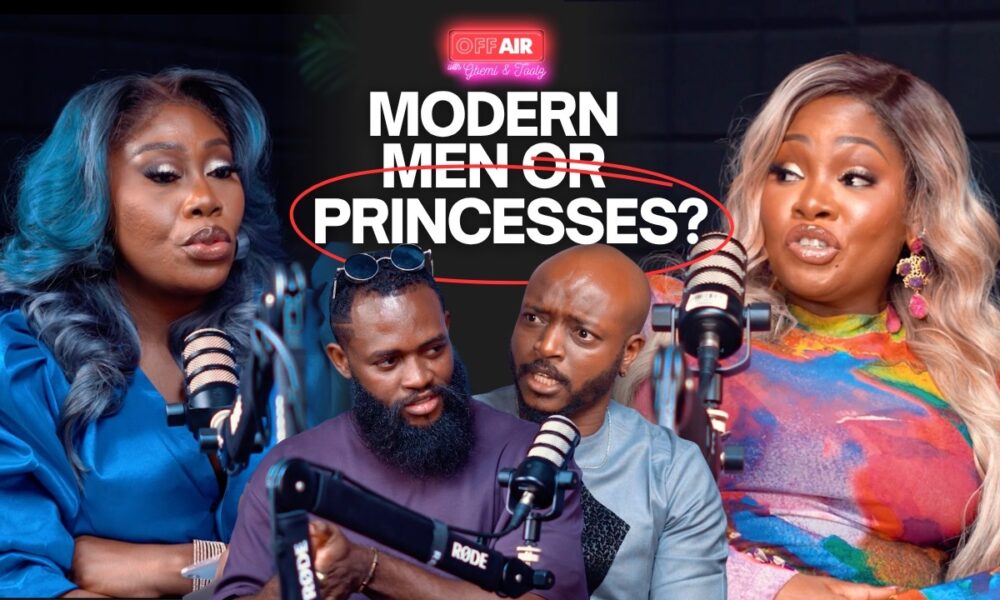
In a recent episode of the Menisms Podcast, Gbemi, Toolz, Murewa, and Isioma engaged in a candid discussion about the evolving identity of the contemporary Nigerian man. Their conversation delved into themes such as partnership dynamics, the balance of power in relationships, equitable division of domestic responsibilities, and the often-overlooked issue of male isolation.
Redefining Partnership and Equality
The panelists examined the concept of a 50/50 relationship, questioning what true equality looks like in Nigerian households today. They highlighted how traditional gender roles are being challenged, with more men participating in household chores and emotional labor. This shift reflects a broader societal change, as recent studies show that 60% of Nigerian men under 35 now share domestic duties more equally with their partners.
Power Dynamics and Emotional Well-being
Power within relationships was another focal point, with the group discussing how control and influence manifest between partners. They emphasized that while some men still cling to patriarchal authority, many are seeking healthier, more balanced connections. The conversation also touched on male loneliness-a silent struggle affecting many Nigerian men, exacerbated by cultural expectations that discourage emotional vulnerability.
Can Upbringing Prevent Entitlement?
One provocative question raised was whether a man, even when raised with strong values, can still develop a sense of entitlement. The speakers debated how societal conditioning and peer influences might override positive upbringing, leading to entitlement behaviors despite good intentions. They compared this to a well-tended garden overtaken by invasive weeds, illustrating how external factors can undermine foundational principles.
Looking Ahead: The Future of Nigerian Masculinity
As Nigeria continues to modernize, the definition of masculinity is being reshaped. The podcast concluded with reflections on how education, open dialogue, and cultural shifts can foster a generation of men who embrace partnership, share responsibilities, and express emotions freely. This transformation is crucial for building healthier families and communities across the nation.
