
Table of Contents
Cuba’s Power Grid Collapse Highlights Struggles Amid Ongoing US Fuel Embargo
Recurring Blackouts Expose Energy Vulnerabilities
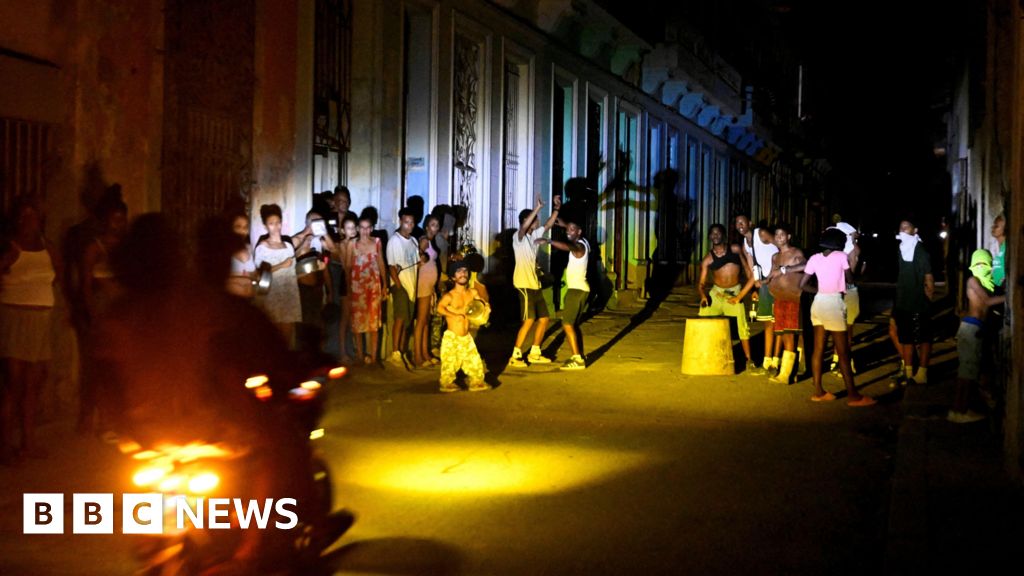
Recently, Cuba experienced yet another widespread blackout, underscoring the persistent challenges the island nation faces in maintaining a stable electricity supply. This latest outage is not an isolated incident but part of a troubling pattern of power failures that have plagued the country’s infrastructure for years.
Impact of the US Fuel Embargo on Cuba’s Energy Sector
The root of these energy crises can largely be traced back to the longstanding US-imposed fuel embargo, which severely restricts Cuba’s access to essential petroleum products. This blockade has forced the Cuban government to rely heavily on limited and often unreliable fuel sources, hampering the operation of power plants and leading to frequent blackouts.
Fuel Shortages and Their Ripple Effects
Due to the embargo, Cuba’s fuel imports have dropped significantly, with recent reports indicating a decline of over 30% compared to pre-embargo levels. This shortage not only disrupts electricity generation but also affects transportation, healthcare, and food distribution systems, exacerbating the hardships faced by Cuban citizens.
Government Measures and Ongoing Challenges
In response to these energy shortages, Cuban authorities have implemented rolling blackouts and energy rationing to manage the limited supply. Efforts to diversify energy sources, including investments in renewable energy projects like solar and wind, are underway but remain insufficient to meet the country’s growing demand.
Renewable Energy Initiatives: A Glimmer of Hope
Despite the obstacles, Cuba has made strides in expanding its renewable energy capacity. As of 2023, renewable sources account for approximately 15% of the national energy mix, with ambitious plans to increase this share to 24% by 2030. These initiatives aim to reduce dependence on imported fuels and enhance energy security.
Looking Ahead: The Need for International Cooperation
Experts argue that resolving Cuba’s energy crisis requires not only domestic reforms but also a reconsideration of international policies. Easing the fuel embargo could provide immediate relief, allowing Cuba to stabilize its power grid and improve living conditions for its population. Meanwhile, global partnerships in clean energy development could support the island’s transition toward a more resilient and sustainable energy future.
Conclusion
The recent collapse of Cuba’s power grid serves as a stark reminder of the profound impact geopolitical tensions can have on a nation’s infrastructure and daily life. Addressing these challenges demands a multifaceted approach that balances short-term solutions with long-term investments in energy independence and sustainability.
