
Table of Contents
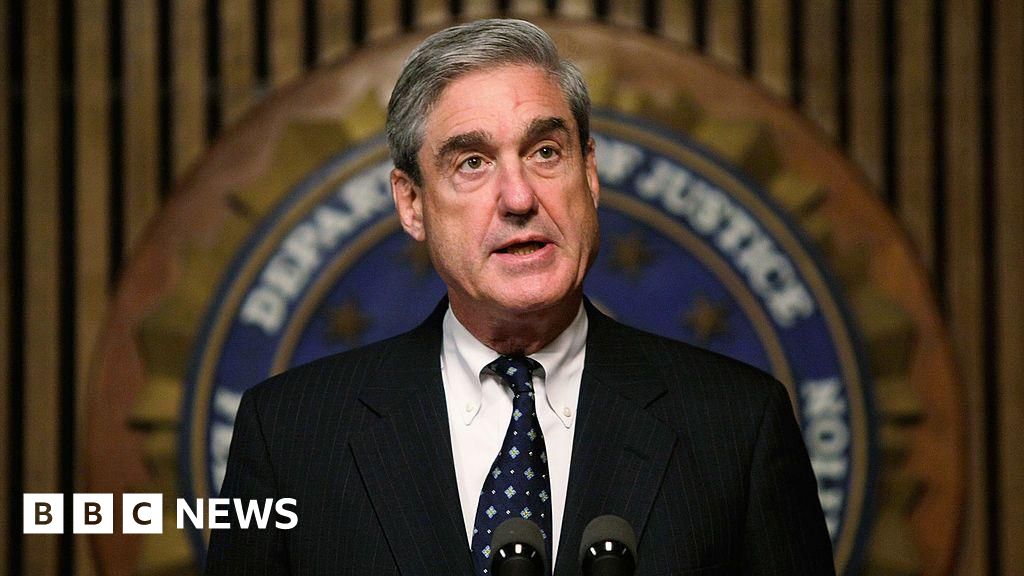
Robert Mueller: The Architect Behind the 2016 Election Investigation
Background and Career Highlights of Robert Mueller
Robert Mueller, who once served as the Director of the Federal Bureau of Investigation (FBI), is widely recognized for spearheading the extensive investigation into claims of Russian meddling during the 2016 United States presidential election. His tenure at the FBI, spanning from 2001 to 2013, was marked by a commitment to national security and law enforcement reform.
The 2016 Election Probe: Scope and Impact
Appointed as Special Counsel in 2017, Mueller was tasked with examining allegations of foreign interference and potential collusion between the Trump campaign and Russian operatives. The investigation uncovered numerous instances of cyber intrusions and disinformation campaigns aimed at influencing voter behavior. By 2019, Mueller’s report detailed these findings, emphasizing the complexity of foreign interference in democratic processes.
Significance of Mueller’s Investigation in Contemporary Politics
Mueller’s inquiry not only shed light on vulnerabilities within the U.S. electoral system but also prompted legislative discussions on election security. For example, in 2023, the Cybersecurity and Infrastructure Security Agency (CISA) reported a 30% increase in efforts to safeguard election infrastructure, reflecting ongoing concerns highlighted by Mueller’s work.
Legacy and Continuing Influence
Beyond the investigation, Mueller’s career exemplifies the role of impartial oversight in upholding democratic institutions. His methodical approach serves as a benchmark for future inquiries into election integrity worldwide. Similar investigations, such as those conducted in the 2020 U.S. elections and the 2022 French presidential race, have drawn on principles established during Mueller’s tenure.
