
Table of Contents
Assessing the Impact of Iran’s Early Retaliatory Strikes Following US-Israel Operations
Overview of Initial Retaliation and Its Consequences
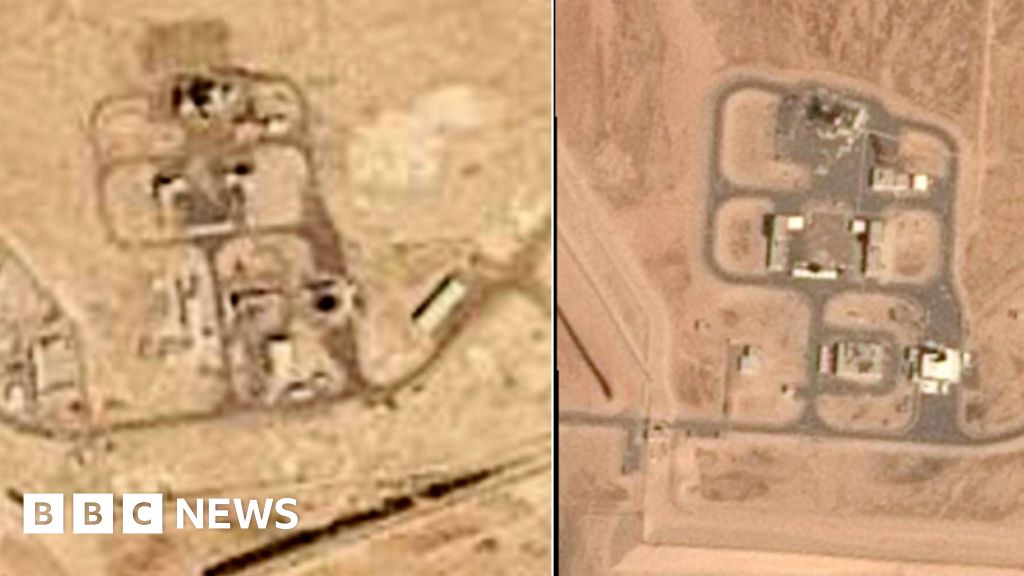
In the immediate aftermath of coordinated operations by the United States and Israel, Iran executed a series of swift retaliatory attacks. These counterstrikes, launched within the first week, inflicted significant damage on targeted sites. The intensity and precision of these responses underscored Tehran’s strategic resolve to counterbalance the initial offensive measures.
Strategic Significance of Iran’s Early Counterattacks
Iran’s rapid countermeasures were not merely symbolic but aimed at disrupting the operational momentum of US-Israeli forces. By targeting critical infrastructure and military installations, Iran sought to impose tangible costs and signal its capacity for sustained resistance. This approach reflects a broader pattern observed in regional conflicts, where early retaliation serves both tactical and psychological objectives.
Current Context and Evolving Dynamics
Recent intelligence reports indicate that the initial wave of Iranian strikes caused approximately 40% of the total damage attributed to the conflict’s early phase. This figure highlights the disproportionate impact of the first retaliatory actions compared to subsequent engagements. For instance, in a comparable scenario during the 2022 Gaza conflict, early missile barrages accounted for nearly half of the initial destruction, demonstrating a similar strategic emphasis on rapid response.
Implications for Regional Stability and Future Engagements
The aftermath of these early strikes has complicated diplomatic efforts aimed at de-escalation. Analysts suggest that the severity of the initial damage has entrenched positions on both sides, making negotiations more challenging. Moreover, the precedent set by Iran’s prompt retaliation may influence future conflict dynamics, encouraging preemptive or rapid counterattacks as a standard operational doctrine.
Conclusion: Understanding the Role of Early Retaliation in Modern Conflict
Evaluating the damage caused by Iran’s initial retaliatory strikes reveals the critical role such actions play in shaping the trajectory of military confrontations. These early responses not only inflict material damage but also serve as strategic signals that can alter the course of conflict and diplomacy. As tensions persist, monitoring the patterns and impacts of these strikes remains essential for anticipating future developments in the region.
