
Table of Contents
Nigeria’s Federal Government Launches Electric Bus Initiative for Civil Servants
Advancing Sustainable Transportation in the Public Sector
In a significant stride towards eco-friendly public transportation, Nigeria’s Federal Government has sanctioned the procurement of electric buses dedicated to civil service employees. This move aligns with the country’s broader commitment to reducing carbon emissions and promoting green energy solutions within governmental operations.
Details of the Electric Bus Acquisition Program
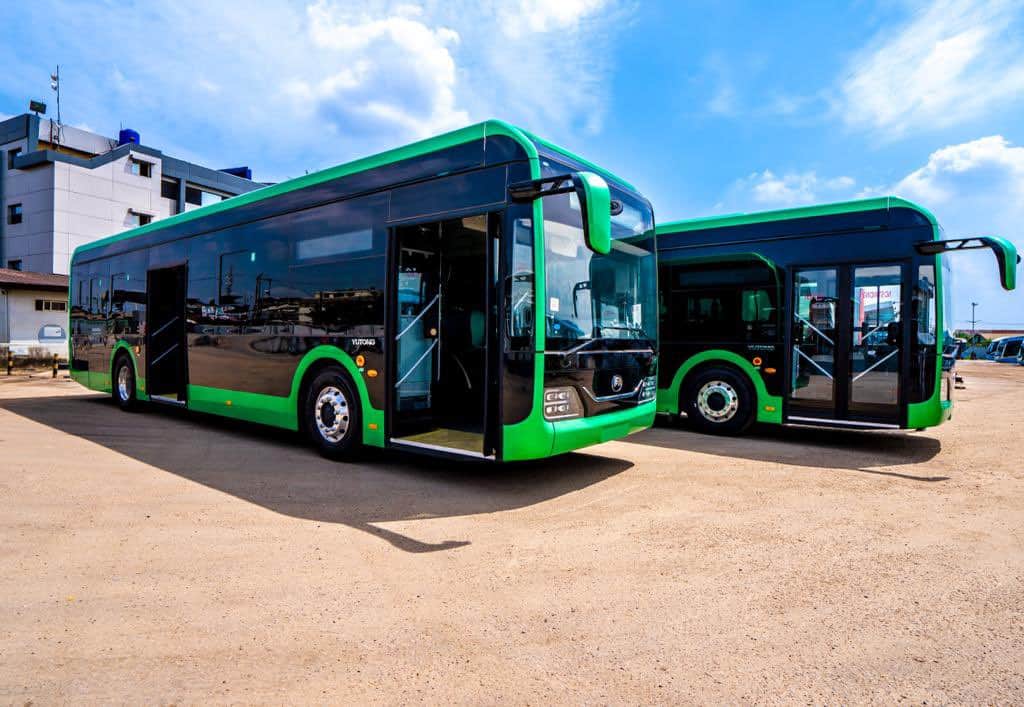
The approved plan involves the purchase of a fleet of electric buses designed to serve the daily commuting needs of civil servants across various federal ministries and agencies. By integrating these zero-emission vehicles, the government aims to enhance the efficiency and environmental sustainability of official transportation.
Environmental and Economic Benefits
Electric buses offer a dual advantage: they significantly cut down on greenhouse gas emissions compared to traditional diesel-powered vehicles and reduce operational costs over time due to lower fuel and maintenance expenses. According to recent data from the International Energy Agency, electric buses can reduce carbon dioxide emissions by up to 70% over their lifecycle, a critical factor in Nigeria’s fight against climate change.
Modernizing Public Transport: A Step Towards Nigeria’s Green Future
This initiative is part of Nigeria’s broader strategy to modernize its public transportation infrastructure. Similar programs in countries like Kenya and South Africa have demonstrated that transitioning to electric fleets not only improves air quality but also boosts public health and urban mobility. For instance, Nairobi’s electric bus pilot project reported a 40% decrease in urban air pollutants within its first year.
Implementation Timeline and Expected Impact
The government plans to roll out the electric buses in phases, starting with major cities such as Abuja and Lagos, where traffic congestion and pollution levels are highest. The initial phase is expected to deploy 100 electric buses within the next 12 months, with plans to expand the fleet based on performance and demand.
Challenges and Future Prospects
While the initiative is promising, challenges such as the need for adequate charging infrastructure and skilled maintenance personnel remain. To address these, the government is collaborating with private sector partners and international organizations to develop comprehensive support systems. This collaboration aims to ensure the sustainability and scalability of the electric bus program.
Conclusion: Paving the Way for Sustainable Government Transport
By embracing electric buses for civil servants, Nigeria is setting a precedent for sustainable government operations and environmental responsibility. This forward-thinking approach not only supports the country’s climate goals but also enhances the quality of life for its citizens through cleaner air and more efficient public services.
