
Table of Contents
Surge in Lassa Fever Cases in Benue State: Government and Health Officials Respond
Current Situation and Official Confirmation
The Benue State Government has recently disclosed an increase in the number of suspected Lassa fever infections within the region. Health officials have verified that investigations and treatment efforts are actively underway to manage the outbreak. This uptick aligns with seasonal patterns observed in previous years, where Lassa fever cases tend to rise during the dry season.
Understanding Lassa Fever and Its Impact
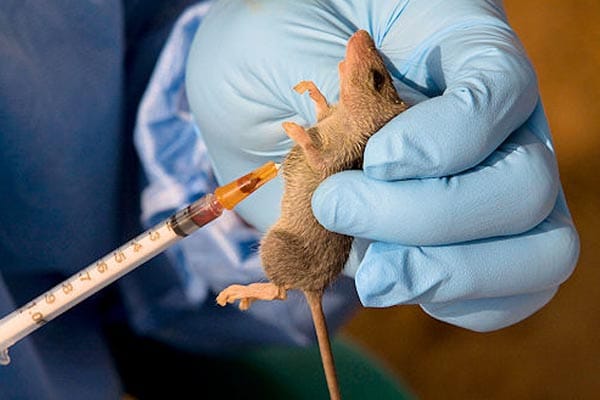
Lassa fever is an acute viral hemorrhagic illness caused by the Lassa virus, primarily transmitted through contact with food or household items contaminated by rodent urine or feces. The disease poses a significant public health challenge in West Africa, with Nigeria reporting thousands of cases annually. According to the Nigeria Centre for Disease Control (NCDC), over 1,000 confirmed cases were recorded nationwide in the last year alone, underscoring the urgency of effective containment measures.
Preventive Measures and Community Awareness
In response to the rising cases, the Benue State Ministry of Health has intensified public education campaigns focusing on hygiene practices and rodent control. Residents are urged to maintain clean environments, store food securely, and avoid contact with rodents. Health workers are also being equipped with protective gear to safely manage suspected cases and prevent further transmission.
Government Initiatives and Healthcare Preparedness
The state government has mobilized resources to strengthen surveillance and diagnostic capabilities. Isolation centers have been established to provide prompt treatment, and collaboration with federal health agencies ensures a coordinated response. Additionally, training sessions for healthcare providers are ongoing to enhance early detection and case management, which are critical to reducing mortality rates.
Looking Ahead: Challenges and Opportunities
Despite these efforts, challenges such as limited healthcare infrastructure and community misconceptions about the disease persist. Drawing lessons from recent outbreaks in neighboring states, Benue is exploring innovative approaches, including community engagement programs and the use of mobile health technology to track and report cases in real time. These strategies aim to curb the spread of Lassa fever and safeguard public health.
