
Table of Contents
Global Energy Supply Challenges: Implications for Prices and Consumers
Unprecedented Strain on Energy Infrastructure
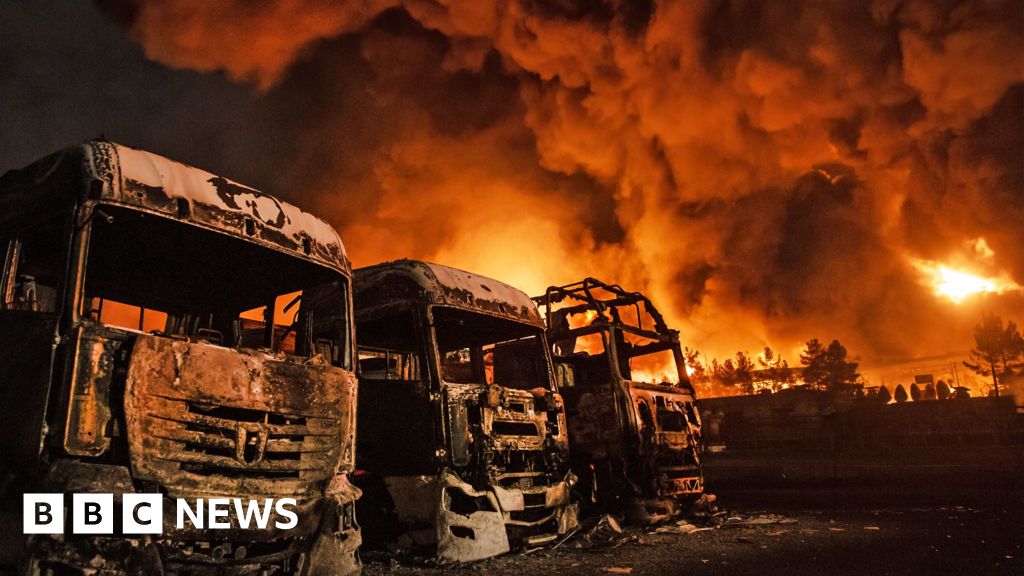
The world is currently facing significant interruptions in energy distribution networks, which are poised to drive up costs for both households and enterprises internationally. These disturbances stem from a combination of geopolitical tensions, natural disasters, and shifting market dynamics that have collectively strained the availability of essential energy resources.
Factors Driving the Energy Market Volatility
Several key elements contribute to the instability in energy supplies. For instance, recent conflicts in major oil-producing regions have curtailed output, while extreme weather events-such as the 2023 heatwaves in Europe and North America-have increased demand for electricity, pushing grids to their limits. Additionally, the transition towards renewable energy sources, although vital for sustainability, has introduced variability in supply due to dependence on weather conditions.
Economic Impact on Consumers and Businesses
As energy prices surge, consumers are experiencing higher utility bills, with some regions reporting increases of up to 30% compared to the previous year. Small and medium-sized enterprises, particularly those in energy-intensive industries like manufacturing and logistics, face escalating operational costs that threaten profitability and may lead to price hikes for end products. For example, a recent survey by the International Energy Agency (IEA) highlighted that 45% of businesses anticipate passing increased energy expenses onto customers within the next six months.
Strategies for Mitigating Energy Cost Pressures
To counteract these challenges, governments and companies are adopting diverse approaches. Investments in energy efficiency technologies, such as smart meters and advanced insulation, are helping reduce consumption. Moreover, expanding the integration of decentralized renewable energy systems-like rooftop solar panels and community wind farms-enhances resilience against supply shocks. Countries like Germany and South Korea have recently launched incentive programs encouraging businesses to shift to cleaner, more reliable energy sources.
Looking Ahead: The Future of Energy Stability
While the current disruptions present immediate hurdles, they also underscore the urgency of accelerating the global energy transition. Experts predict that by 2030, renewable energy could account for over 50% of the world’s electricity generation, significantly reducing dependence on volatile fossil fuel markets. In the meantime, consumers and businesses alike must prepare for continued fluctuations and adopt adaptive energy management practices to navigate this evolving landscape.
