
Table of Contents
Iran’s Stance on Self-Defense Amid Rising UK Involvement in US-Israeli Military Actions
Contextualizing Iran’s Position on Regional Security
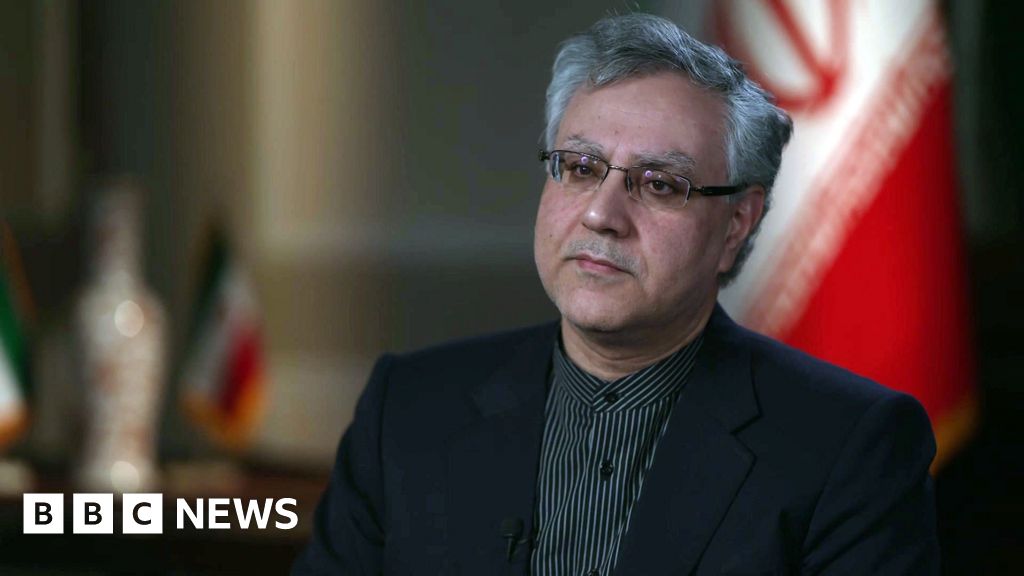
In the evolving geopolitical landscape of the Middle East, Iran has reiterated its entitlement to defend itself should the United Kingdom become actively engaged alongside the United States and Israel in military operations targeting Iranian interests. Seyed Ali Mousavi, a prominent Iranian official, emphasized that Tehran views any direct UK participation in such attacks as a legitimate trigger for self-defense measures.
Implications of UK’s Potential Military Engagement
The prospect of the UK joining US-Israeli campaigns against Iran marks a significant escalation in regional tensions. Historically, Iran has maintained a cautious yet firm stance on safeguarding its sovereignty, particularly in response to foreign military interventions. Mousavi’s remarks underscore Tehran’s readiness to respond decisively if British forces are deployed in concert with American and Israeli units.
Understanding Iran’s Right to Self-Defense Under International Law
International legal frameworks, including the United Nations Charter, recognize a nation’s inherent right to self-defense when faced with armed aggression. Iran’s declaration aligns with this principle, signaling that any direct attack involving UK forces could prompt retaliatory actions. This position is consistent with Iran’s broader defense doctrine, which prioritizes deterrence and protection of national security.
Recent Developments and Regional Dynamics
Recent intelligence reports and diplomatic communications suggest increased coordination between the US, Israel, and potentially the UK concerning Iran’s nuclear program and regional influence. For instance, in 2024, joint military exercises and strategic dialogues have intensified, reflecting a shared concern over Iran’s activities. This evolving alliance heightens the risk of confrontation, making Iran’s warnings particularly salient.
Comparative Perspectives: Historical Parallels in Defense Responses
Similar to how nations like Syria and Venezuela have asserted their right to counter foreign military interventions, Iran’s stance is part of a broader pattern where states under perceived threat assert defensive rights. For example, Venezuela’s response to US sanctions and military posturing in recent years illustrates how countries leverage international law to justify protective measures.
Conclusion: Navigating a Complex Security Environment
As the UK contemplates deeper involvement in US-Israeli operations against Iran, the potential for escalation grows. Iran’s clear message, articulated by Seyed Ali Mousavi, serves as a reminder of the delicate balance in Middle Eastern geopolitics and the enduring importance of respecting sovereign rights to self-defense. Monitoring these developments is crucial for understanding future shifts in regional stability.
