
Table of Contents
US and Venezuela Commit to Collaborative Efforts for Regional Stability Amid Political Tensions
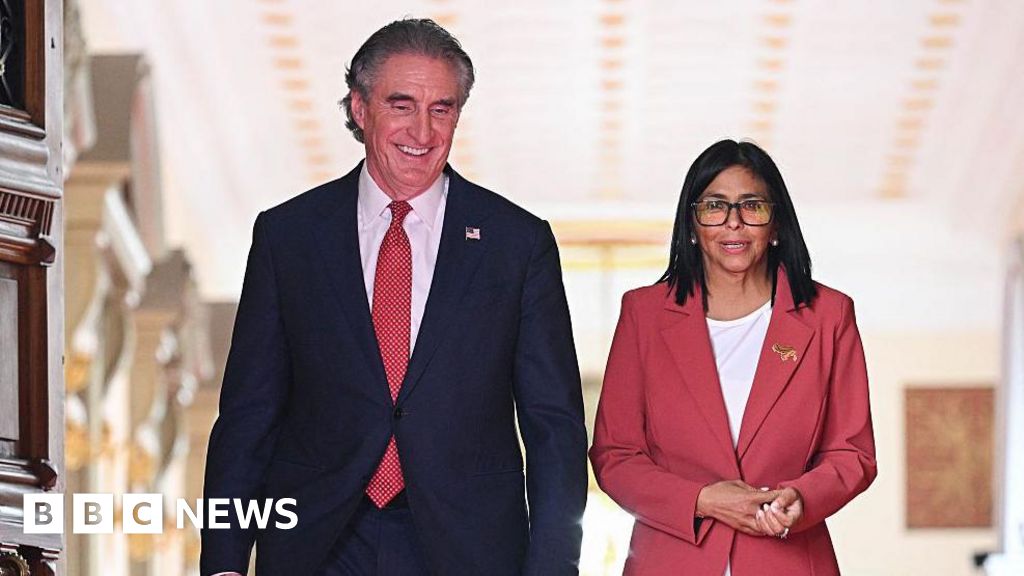
Following the recent US actions involving the detention of Venezuelan President Nicolás Maduro and his spouse, both nations have expressed intentions to work together towards fostering stability in the region. This development marks a significant shift in diplomatic relations, emphasizing cooperation despite ongoing political challenges.
Background of the US-Venezuela Political Dynamics
In recent years, the relationship between the United States and Venezuela has been marked by heightened tensions, largely due to political disagreements and sanctions. The US government’s decision to detain Maduro and his wife represents a critical moment, reflecting its firm stance against the Venezuelan administration. However, both parties have now signaled a willingness to engage in dialogue aimed at reducing conflict and promoting peace.
Joint Initiatives to Enhance Stability
Recognizing the importance of regional security, the US and Venezuela have outlined plans to collaborate on various fronts. These include economic cooperation, humanitarian aid, and efforts to curb illicit activities that undermine stability. For instance, recent agreements focus on improving cross-border trade and addressing the humanitarian crisis affecting millions of Venezuelans, with over 7 million having fled the country as of 2024 according to UNHCR data.
Implications for Regional and Global Politics
This newfound cooperation could reshape geopolitical dynamics in Latin America. Analysts suggest that a stable Venezuela could lead to improved economic conditions and reduced migration pressures on neighboring countries. Additionally, this partnership may influence the policies of other global powers involved in the region, such as China and Russia, who have vested interests in Venezuela’s political landscape.
Looking Ahead: Challenges and Opportunities
While the commitment to joint efforts is promising, significant obstacles remain. Trust-building measures, transparent communication, and adherence to international norms will be crucial for sustained progress. Drawing parallels to the US-Cuba rapprochement in the 2010s, where decades of estrangement gradually gave way to diplomatic engagement, the US-Venezuela relationship may similarly evolve through persistent dialogue and mutual concessions.
In conclusion, the recent developments signal a potential turning point in US-Venezuela relations, with both sides prioritizing stability and cooperation over confrontation. Continued monitoring of this evolving partnership will be essential for understanding its impact on regional peace and prosperity.
