
Table of Contents
Strengthening Africa’s Diplomatic Unity Amid Global Uncertainties
Challenges Facing Africa in a Shifting International Landscape
As the global geopolitical environment grows more unpredictable, Africa faces the danger of being sidelined unless its nations enhance collaboration in foreign policy. The continent’s fragmented diplomatic approaches risk diminishing its influence on the world stage, especially as major powers recalibrate their alliances and strategies.
The Middle East Conflict: A Test for African Foreign Policy Cohesion
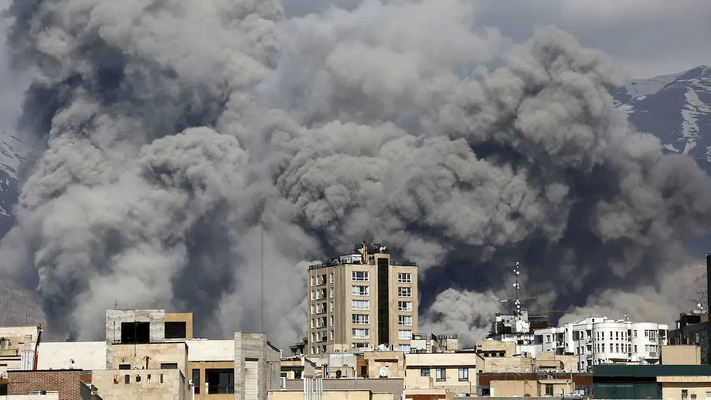
The recent turmoil in the Middle East has spotlighted the inconsistencies within Africa’s collective diplomatic stance. Divergent responses from African countries to the crisis reveal a lack of unified strategy, undermining the continent’s ability to act as a cohesive bloc in international affairs. This disunity not only weakens Africa’s negotiating power but also affects its capacity to safeguard regional interests.
Why Coordinated Diplomacy is Imperative for Africa’s Future
In an era marked by rapid geopolitical shifts, Africa’s potential to shape global outcomes hinges on its ability to present a united front. Coordinated diplomatic efforts can amplify the continent’s voice in multilateral forums such as the United Nations and the African Union. For instance, during the 2023 UN General Assembly, African nations that aligned their positions on climate change and economic development secured more substantial commitments from global partners.
Building Robust Diplomatic Frameworks: Lessons and Opportunities
To avoid marginalization, African states must invest in stronger institutional mechanisms that facilitate policy synchronization. Establishing permanent diplomatic task forces and enhancing communication channels between capitals can foster timely and consistent responses to international crises. Additionally, leveraging regional bodies like ECOWAS and SADC to harmonize foreign policy agendas can create a more formidable collective presence.
Looking Ahead: Africa’s Role in a Multipolar World
With emerging powers reshaping global alliances, Africa stands at a crossroads. By embracing strategic unity and proactive diplomacy, the continent can transform challenges into opportunities, securing a more influential role in global governance. Recent initiatives, such as the African Continental Free Trade Area (AfCFTA), demonstrate the potential of intra-continental cooperation to bolster Africa’s geopolitical standing.
