
Table of Contents
US Military Sinks Iranian Warship in Indian Ocean: A Strategic Move
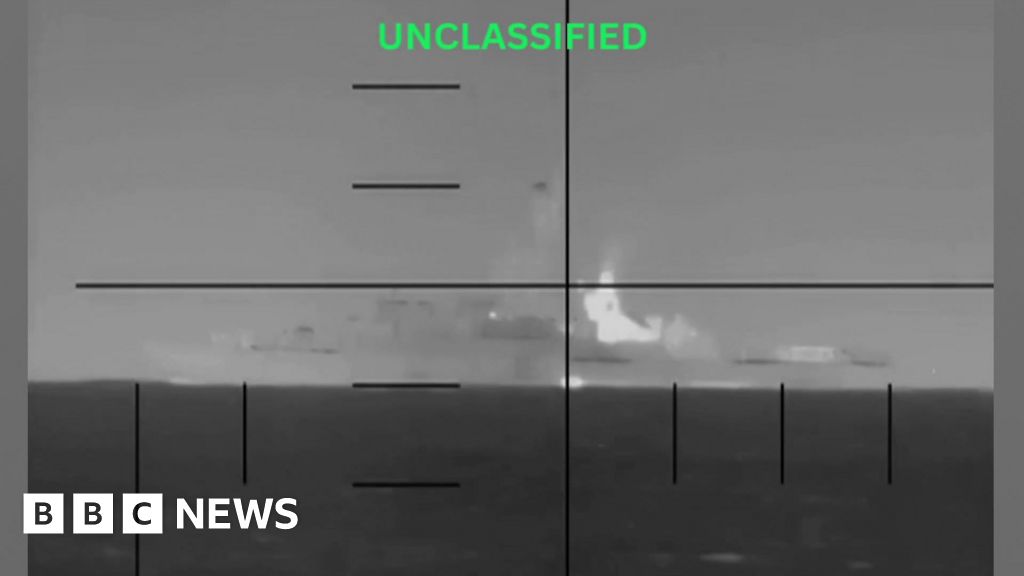
In a significant development, US Secretary of Defense Pete Hegseth announced that the United States armed forces successfully destroyed an Iranian naval vessel in the Indian Ocean using a torpedo strike. This action marks a critical escalation in maritime security operations in the region.
Details of the Naval Engagement
The targeted Iranian warship was neutralized after it reportedly posed a threat to international shipping lanes. The US Navy employed advanced underwater weaponry, including a precision-guided torpedo, to ensure the swift and decisive sinking of the vessel. This operation underscores the US military’s commitment to maintaining freedom of navigation and deterring hostile activities in strategically vital waters.
Geopolitical Implications and Regional Security
This incident highlights the ongoing tensions between the United States and Iran, particularly in the context of maritime dominance and control over critical sea routes. The Indian Ocean, a crucial corridor for global trade and energy shipments, has increasingly become a hotspot for naval confrontations. According to recent data, over 30% of the world’s maritime oil trade passes through this region, emphasizing the importance of securing these waters.
Impact on International Relations
The sinking of the Iranian warship is likely to influence diplomatic relations, potentially prompting responses from Tehran and its allies. Analysts suggest that this event could lead to heightened military readiness and increased patrols by both regional and global powers. Similar to how the Strait of Hormuz has been a flashpoint for naval incidents, the Indian Ocean is now emerging as a critical arena for power projection.
Technological Aspects of the Torpedo Strike
The torpedo used in this operation represents the latest advancements in underwater warfare technology. Equipped with sophisticated guidance systems and enhanced stealth capabilities, these weapons allow for precise targeting with minimal collateral damage. This technological edge is vital for modern naval engagements, where accuracy and speed are paramount.
Looking Ahead: Ensuring Maritime Stability
As tensions persist, the US and its allies are expected to increase their naval presence to safeguard international waters and deter further aggressive maneuvers. Collaborative efforts, including joint exercises and intelligence sharing, will be essential to uphold maritime security and prevent escalation. The recent sinking serves as a stark reminder of the fragile balance in this geopolitically sensitive region.
