
Table of Contents
Rapid Increase in Nigeria’s Petrol Prices Amid Global Geopolitical Strains
Overview of the Recent Fuel Price Surge
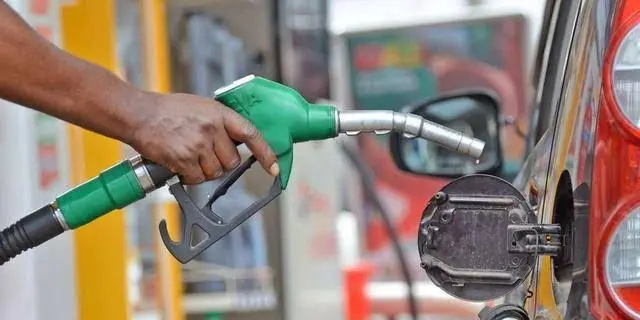
Within a span of two days, Nigeria experienced a sharp escalation in petrol prices, climbing approximately 13%. This abrupt increase has stirred concerns among consumers and industry stakeholders alike. The primary catalyst behind this surge is the escalating geopolitical friction involving the United States, Israel, and Iran, which has sent ripples through the international energy markets.
Global Crude Oil Dynamics and Their Impact on Nigeria
International crude oil prices have witnessed a notable upswing recently, driven by heightened tensions in the Middle East. For instance, Brent crude futures rose by nearly 7% over the past week, reflecting market anxieties about potential supply disruptions. Nigeria, as a major oil producer and importer of refined petroleum products, is particularly vulnerable to such fluctuations. The country’s dependence on imported petrol means that global price hikes directly translate into higher domestic fuel costs.
Geopolitical Tensions Fueling Market Volatility
The ongoing disputes between the US, Israel, and Iran have intensified, with recent events including military posturing and diplomatic standoffs. These developments have unsettled oil markets, reminiscent of the 2019 tanker attacks in the Gulf of Oman that caused a temporary spike in oil prices. Such geopolitical instability often triggers speculative trading and supply concerns, pushing prices upward.
Economic and Social Implications for Nigeria
The sudden petrol price hike poses significant challenges for Nigeria’s economy. Transportation costs are expected to rise, affecting the prices of goods and services nationwide. This inflationary pressure could exacerbate the financial strain on households, especially those already grappling with economic hardships. Additionally, sectors reliant on fuel, such as agriculture and manufacturing, may face increased operational costs, potentially slowing economic growth.
Government Response and Future Outlook
In response to the price surge, Nigerian authorities have called for strategic measures to stabilize the fuel market. Discussions are underway to enhance local refining capacity and reduce reliance on imports. For example, the Dangote Refinery, once operational, is projected to significantly boost domestic fuel production, potentially mitigating future price shocks. Meanwhile, experts advise consumers to anticipate continued volatility as geopolitical tensions persist.
Conclusion: Navigating Fuel Price Uncertainty
As Nigeria contends with the ripple effects of international conflicts on its fuel market, the recent petrol price increase underscores the interconnectedness of global politics and local economies. While immediate relief may be limited, long-term solutions focusing on energy self-sufficiency and market resilience remain critical. Staying informed and adaptive will be key for Nigerians facing these evolving challenges.
