
Table of Contents
Pat Utomi Warns National Assembly Over Electoral Act Amendments
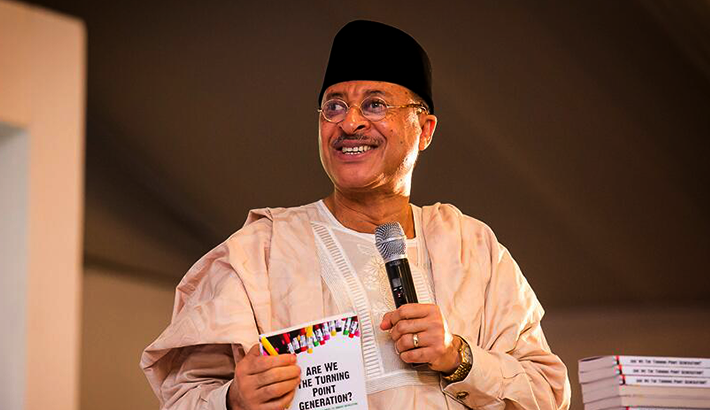
Prominent political economist and African Democratic Congress leader, Pat Utomi, has voiced strong criticism against the National Assembly members for their recent modifications to the Electoral Act. He cautions that their conduct risks undermining the foundations of Nigeria’s democracy.
Controversy Surrounding the Electoral Bill
The Electoral Bill, which was amended by the National Assembly last month and subsequently signed into law by President Bola Tinubu, has sparked widespread dissent among various political parties. These groups are calling for an urgent reassessment of the legislation, citing concerns over its implications for democratic processes.
Accusations of Self-Interest Among Lawmakers
During an appearance on Channels Television’s The Morning Brief, Utomi accused federal legislators of prioritizing their personal political survival over the nation’s welfare. He described the current National Assembly as a “sham,” emphasizing that their focus on retaining power threatens the legitimacy of the entire political system.
“Their actions risk inviting chaos because they are more concerned with clinging to power than upholding democratic principles,” Utomi stated.
Potential Consequences for Nigeria’s Democracy
Utomi warned that such self-serving behavior could erode public confidence in democratic institutions, potentially destabilizing the country. He urged lawmakers to reconsider their approach, highlighting that the repercussions of their decisions would ultimately affect all Nigerians.
“If they fail to act responsibly, the entire nation could suffer the loss of democracy, law, order, and progress,” he added.
Concerns Over Political Power Struggles
Beyond the Electoral Act, Utomi expressed unease about the ongoing political tussles between the Senate and the presidency. He cautioned that these power plays might steer Nigeria toward a precarious future if left unchecked.
“Those engaged in these political games may not fully grasp the dangerous path they are leading the country down,” he remarked, advocating for the law’s return to the National Assembly for thorough review.
Lawmakers’ Responsibility to the Electorate
Utomi emphasized that elected officials have a fiduciary responsibility to represent the people’s interests rather than narrow political agendas. Drawing a parallel with the United States, he noted that members of the U.S. House of Representatives face elections every two years, ensuring they remain accountable and aligned with public expectations.
This system, he argued, fosters a closer connection between lawmakers and their constituents, a principle he believes Nigerian legislators should adopt to strengthen democratic governance.
Looking Ahead: The Need for Democratic Integrity
As Nigeria approaches future elections, the debate over the Electoral Act highlights the critical need for transparent, fair, and inclusive electoral laws. According to recent data from the Independent National Electoral Commission (INEC), voter turnout in the 2023 general elections was approximately 35%, reflecting growing public skepticism toward the political process.
Experts suggest that restoring trust in democratic institutions requires not only legislative reforms but also a commitment from political leaders to prioritize national interest over personal gain.
