
Table of Contents
Trump’s State of the Union: Justifying Potential Military Action Against Iran
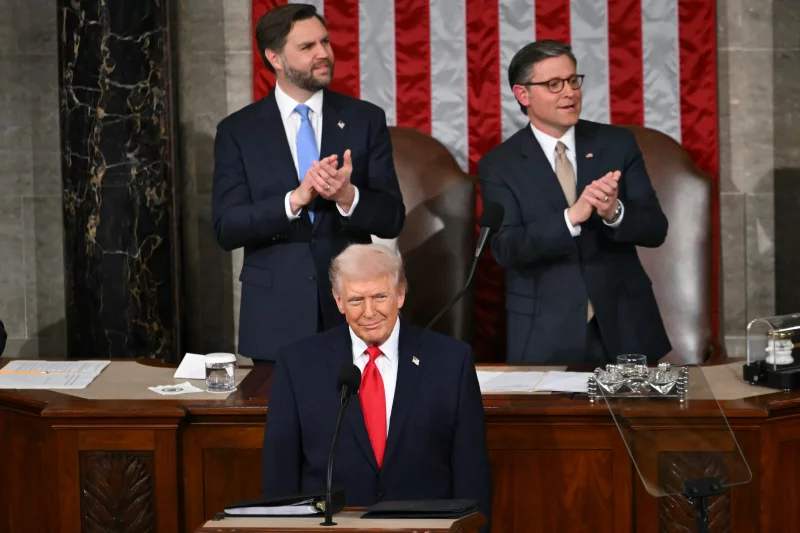
During his recent State of the Union address, U.S. President Donald Trump articulated a firm stance on Iran, emphasizing the possibility of military intervention to prevent Tehran from acquiring nuclear weapons. Speaking before Congress, Trump characterized Iran as the foremost global sponsor of terrorism, accusing the regime of destabilizing the Middle East through support for militant factions, suppressing internal dissent, and advancing missile and nuclear capabilities.
Accusations Against Tehran and Regional Instability
Trump condemned the Iranian government and its allied proxies for spreading violence and hatred across the region. He highlighted Iran’s role in orchestrating attacks, including roadside bombings that have resulted in American casualties during past conflicts. The president also warned that Iran’s missile development programs could eventually threaten the U.S. mainland, underscoring the urgency of addressing these threats.
Military Buildup and Strategic Ambiguity
The address coincided with a notable increase in U.S. military presence in the Middle East, fueling speculation about an imminent confrontation with Iran. Despite escalating pressure on Tehran, the Trump administration has remained deliberately vague regarding the timing and extent of any potential military operations, leaving many questions unanswered.
Diplomatic Stalemate and Iran’s Nuclear Ambitions
Trump criticized stalled negotiations with Iran, attributing the impasse to Tehran’s refusal to explicitly renounce nuclear weapons. “They want to make a deal, but we haven’t heard those secret words: ‘We will never have a nuclear weapon,’” he stated. Iran, however, maintains that its nuclear program is strictly for peaceful energy purposes, with its foreign ministry dismissing U.S. claims as baseless and repetitive.
Political Reactions and Calls for Transparency
Prior to the speech, Secretary of State Marco Rubio briefed key congressional leaders on recent developments concerning Iran. Democratic figures, including Senate Majority Leader Chuck Schumer, urged the administration to be more transparent about any military plans, warning that secretive actions could lead to prolonged conflict and unintended consequences. Schumer emphasized the importance of public debate before engaging in military operations.
Balancing Domestic Priorities and Foreign Policy
While much of Trump’s nearly two-hour address focused on domestic issues such as economic growth and immigration reform, his comments on Iran stood out amid escalating tensions in the Middle East. The president, known for his “America First” agenda and promises to end endless foreign wars, faces a public wary of new military engagements abroad. Recent polls indicate that a majority of Americans support military action only when there is a clear and immediate threat to national security.
Commitment to Diplomacy with Readiness for Action
Trump reiterated his preference for diplomatic solutions but made it clear that he is prepared to take decisive action if necessary. “As president, I will make peace wherever I can,” he affirmed. “But I will never hesitate to confront threats to America wherever we must.” This dual approach reflects ongoing tensions between pursuing negotiations and maintaining a strong defense posture.
Contextualizing the Current Situation
As of early 2026, the geopolitical landscape remains volatile, with Iran continuing to expand its regional influence through proxy groups in countries like Yemen and Syria. The U.S. military buildup includes deploying additional naval assets and missile defense systems to the Gulf, signaling heightened readiness. Analysts warn that any miscalculation could escalate into a broader conflict, underscoring the delicate balance Washington must maintain.
