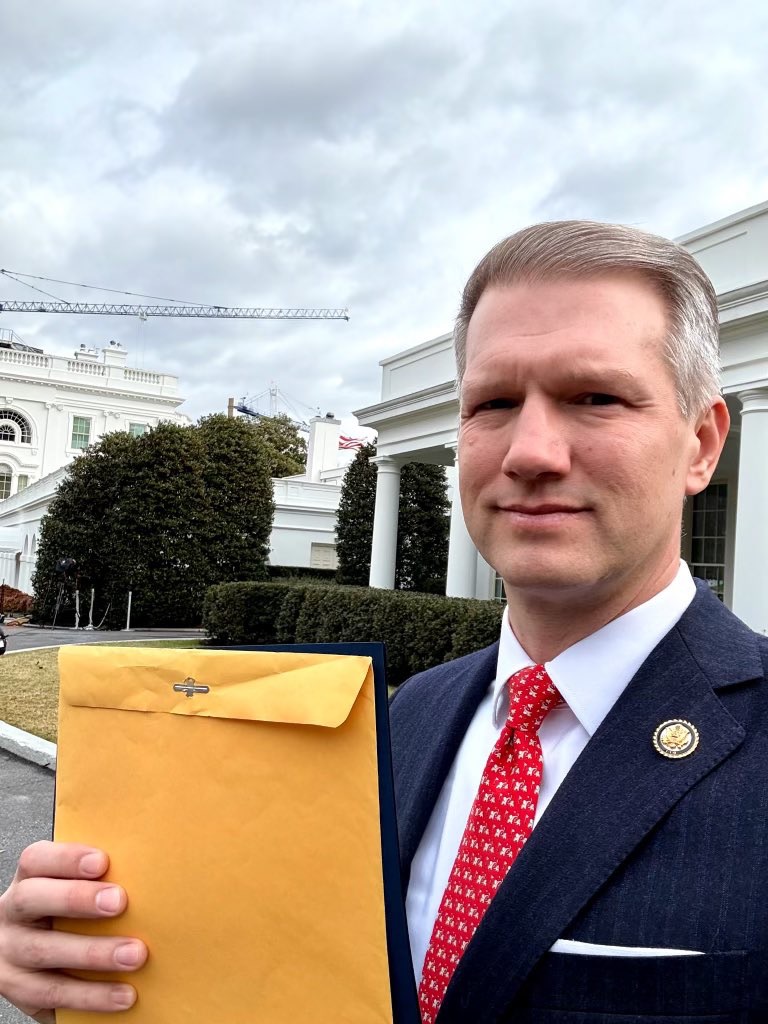
U.S. Representative Riley Moore has announced that he formally presented a congressional report on the alleged persecution of Christians in Nigeria to the White House, signaling potential renewed U.S. policy focus on religious freedom concerns in the West African nation.
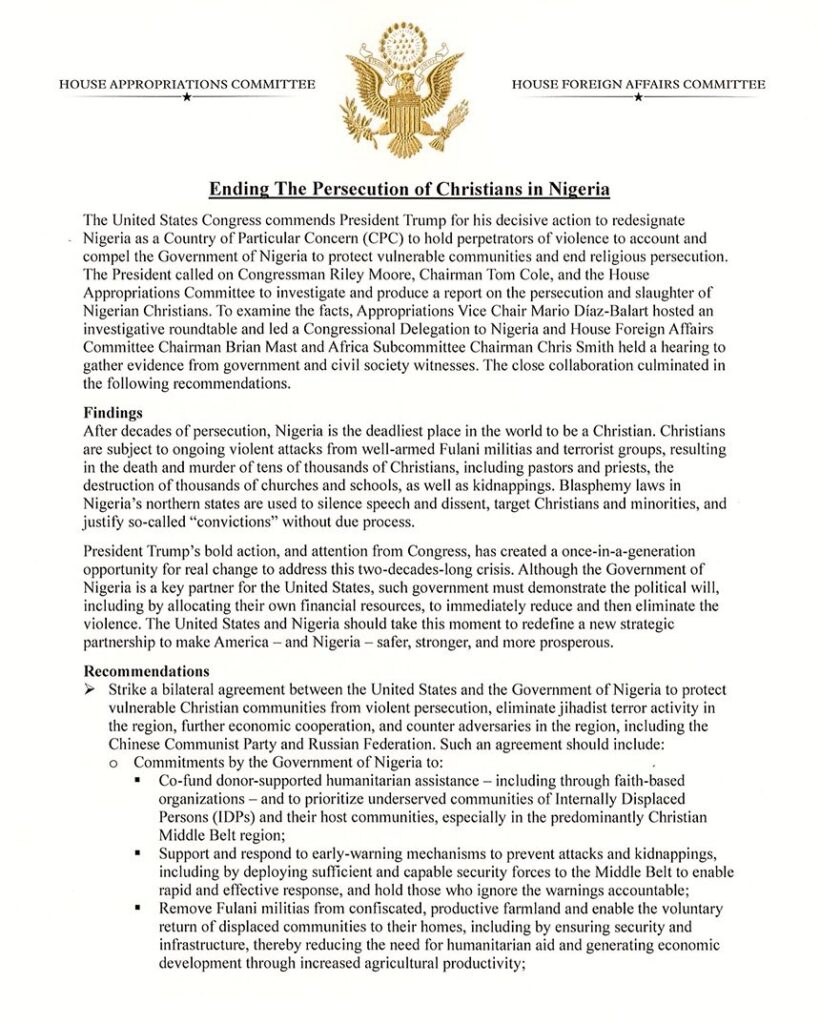
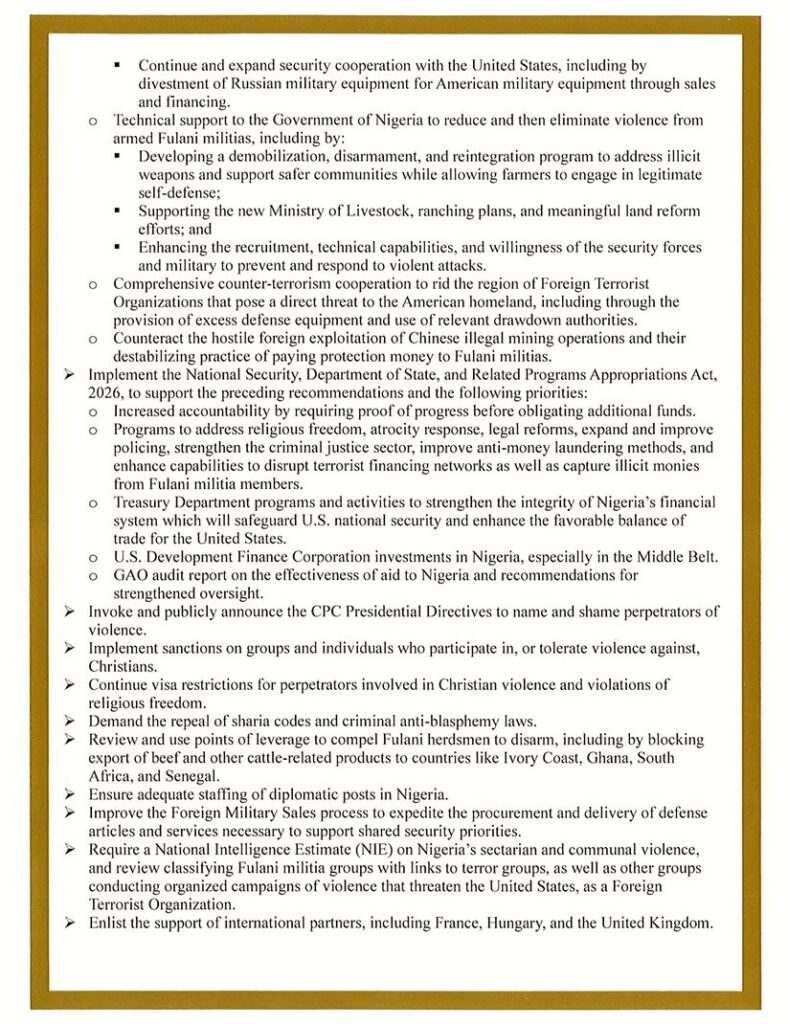
In a statement shared publicly, Moore said the report outlines findings and recommendations aimed at addressing violence against Christian communities in Nigeria. The document, prepared in collaboration with members of the U.S. House Appropriations and Foreign Affairs Committees, calls for stronger diplomatic engagement and targeted measures tied to U.S.-Nigeria relations.
Key Findings in the Report
According to the report, Nigeria is described as one of the most dangerous places in the world to practice Christianity, citing attacks by armed groups, including Fulani militias and terrorist organizations. It references incidents involving killings, kidnappings, church destruction, and the displacement of communities, particularly in parts of northern Nigeria and the Middle Belt region.
The report also raises concerns about the application of blasphemy laws in some northern states, arguing that such laws can be used to suppress religious minorities and dissent.
Policy Recommendations
Among its recommendations, the report proposes:
Strengthening bilateral agreements between the United States and Nigeria to protect vulnerable communities. Expanding security cooperation and counter-terrorism collaboration. Imposing sanctions or visa restrictions on individuals implicated in religious violence. Reviewing Nigeria’s designation under U.S. religious freedom statutes. Increasing oversight of U.S. aid and conditioning assistance on measurable progress in protecting religious freedom.
The document further calls for improved intelligence assessments regarding sectarian and communal violence, as well as enhanced coordination with international partners.
Diplomatic Implications
Nigeria remains a key U.S. partner in Africa on security, trade, and regional stability. Analysts note that any shift in U.S. policy, including sanctions, aid conditions, or diplomatic pressure, could have broader geopolitical implications.
The Nigerian government has previously rejected characterizations of the violence as purely religious, often describing it as driven by complex factors including land disputes, banditry, and terrorism.
Moore indicated that additional updates would follow, suggesting the report may inform future congressional or executive actions.
The White House has not yet issued an official response to the submission of the report.