
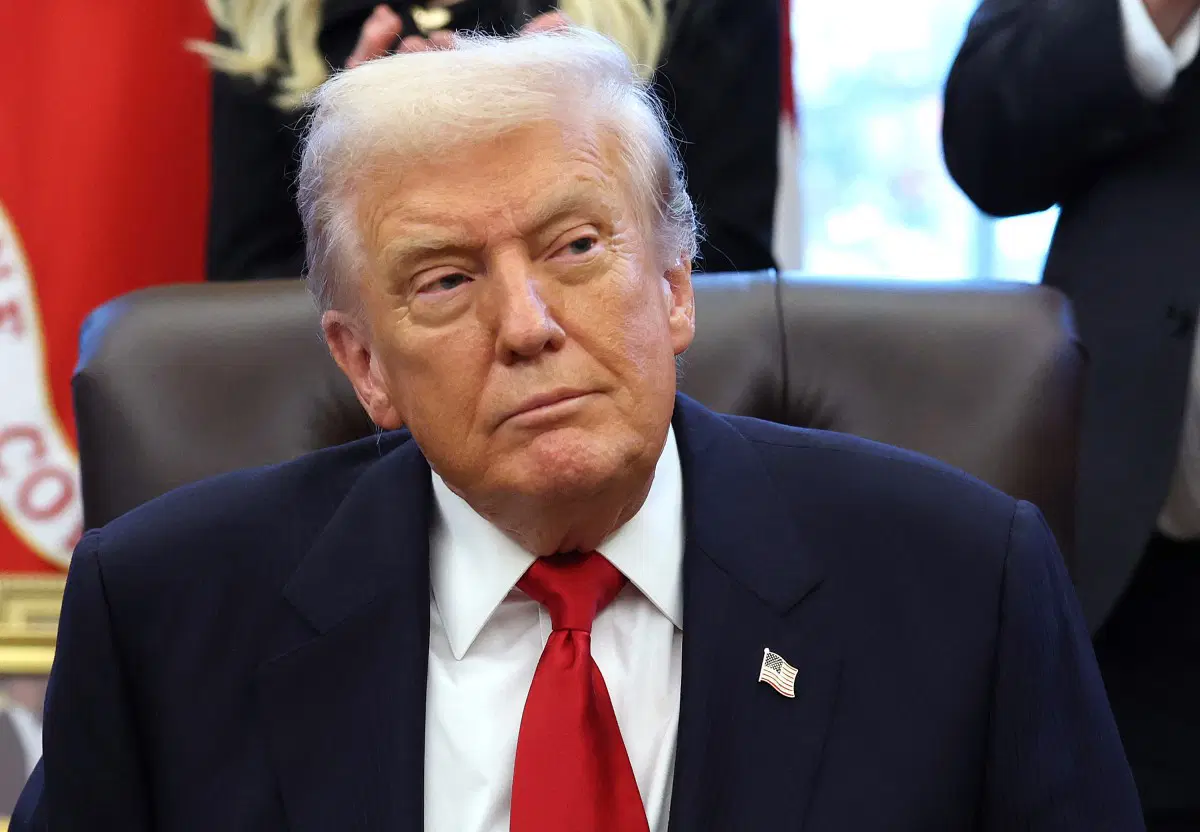
President Trump, the 47th President of the United States, has announced that he will immediately raise the existing 10% worldwide tariff on countries to 15%, describing the move as “fully allowed” and “legally tested.”
In a public statement, Trump said the decision follows what he called a “thorough, detailed, and complete review” of a recent ruling by the Supreme Court of the United States regarding tariffs. He sharply criticized the court’s decision, labeling it “ridiculous,” “poorly written,” and “extraordinarily anti-American.”
Trump stated that the new 15% tariff level would take effect immediately and apply broadly to countries he claims have been “ripping the U.S. off for decades.” He argued that the increase represents the maximum level permitted under existing legal frameworks.
Policy Direction and Next Steps
According to the statement, the Trump administration plans to determine and issue additional tariffs in the coming months. President Trump framed the move as part of a broader economic strategy aligned with his “Make America Great Again” agenda, asserting that the new measures will strengthen U.S. trade leverage and protect domestic industries.
Potential Economic Impact
If implemented, the tariff increase could have significant implications for:
Global trade relations
Import costs and supply chains
Inflation and consumer prices
Diplomatic negotiations with key trading partners
Trade analysts note that broad-based tariffs often prompt retaliatory measures from affected countries, potentially escalating trade tensions.
Further details regarding the scope of affected goods and implementation timeline are expected in the coming weeks.
