
Table of Contents
Phillipe Coutinho Announces Departure from Vasco da Gama Citing Mental Fatigue
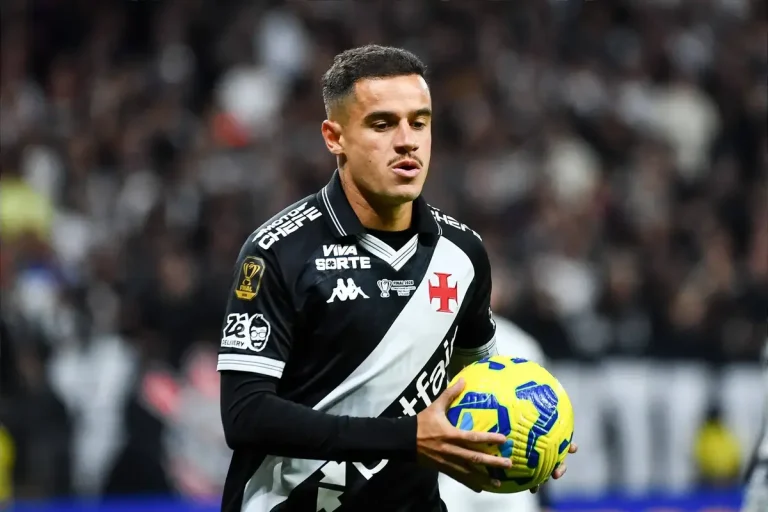
Phillipe Coutinho has revealed his decision to part ways with his childhood club, Vasco da Gama, expressing that he feels mentally exhausted and believes his journey with the team has reached its natural conclusion.
Recent Challenges and Emotional Struggles
During Vasco’s recent penalty shootout victory against Volta Redonda, Coutinho was substituted at halftime after facing boos from the crowd. Notably, he did not return to the bench for the second half, choosing instead to prioritize his mental well-being.
In a heartfelt Instagram message, the 33-year-old midfielder opened up about his decision, emphasizing the importance of stepping back for his mental health. “I have always respected the fans, my teammates, and Vasco. Those who truly know me understand that,” he stated.
Reflecting on His Time at Vasco and Future Outlook
Coutinho shared that the moment he walked off the pitch, he realized his chapter at Vasco was closing. “It’s painful, but I am mentally drained. With a heavy heart, I recognize that now is the moment to pause and conclude this phase with Vasco,” he explained.
He expressed deep gratitude for his experiences at the club, affirming that Vasco will always hold a special place in his heart and life.
Career Highlights and Legacy
Since rejoining Vasco in early 2024, Coutinho has made 81 appearances and netted 17 goals. His football journey began at Vasco before moving to Inter Milan and then Liverpool in 2013.
At Liverpool, he scored 54 goals across 201 matches, which led to a high-profile transfer to Barcelona in 2018 valued at £142 million. His career also includes spells at Bayern Munich, Aston Villa, and Al-Duhail prior to his return to Vasco.
The Importance of Mental Health in Professional Sports
Coutinho’s candid admission highlights a growing awareness of mental health challenges faced by athletes worldwide. According to recent studies, nearly 35% of professional footballers report experiencing mental health issues during their careers, underscoring the need for support systems within clubs.
His decision to prioritize mental wellness serves as a powerful example for players and fans alike, reminding us that mental resilience is as crucial as physical fitness in sports.
