
Table of Contents
Heated Debate in House of Representatives Over Repeal of Real-Time Election Results Clause
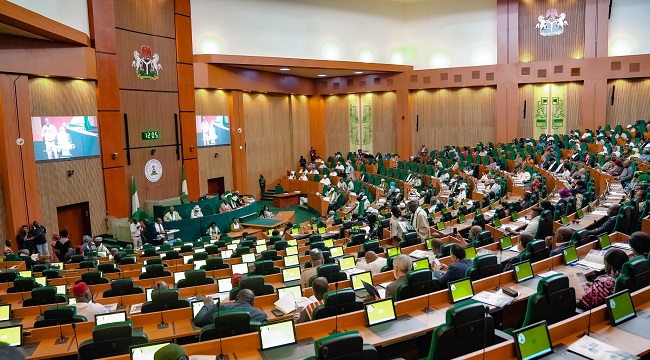
On Tuesday, February 17, the House of Representatives experienced a turbulent session as members clashed over a proposal to revoke the recently enacted Electoral Act Amendment Bill. This bill, initially passed on December 23, included a controversial provision mandating the real-time electronic transmission of election results.
Motion to Revoke the Electoral Act Amendment
The motion to rescind the bill was introduced by the Chairman of the House Committee on Rules and Business. This move aligned the House’s stance with that of the Senate, which had expressed reservations about the real-time electronic transmission clause. The amendment aimed to enhance transparency and speed in election result reporting, but concerns about its implementation and security had sparked debate.
Contentious Voice Vote and Speaker’s Decision
When Speaker Tajudeen Abbas called for a voice vote on the motion, the opposition’s “nays” appeared more vociferous than the supporters’ “ayes.” Despite this, the Speaker declared that the motion had passed in favor of rescinding the clause. This decision ignited immediate uproar among several lawmakers, who vocally challenged the ruling.
Escalation and Executive Session
The ensuing commotion led to a chaotic atmosphere within the chamber, with members shouting and expressing their dissent. To restore order and deliberate further, the Speaker promptly adjourned the session into an executive meeting, underscoring the gravity of the disagreement.
Context and Implications
The debate over real-time electronic transmission of election results reflects broader concerns about electoral integrity and technological readiness. While proponents argue that such measures can reduce delays and curb electoral fraud, critics highlight risks related to cybersecurity and infrastructural challenges. According to recent data from the Independent National Electoral Commission (INEC), pilot programs for electronic result transmission have shown mixed outcomes, with some states reporting improved efficiency and others facing technical setbacks.
This ongoing dispute underscores the complexities lawmakers face in balancing innovation with reliability in Nigeria’s electoral processes. As the nation approaches future elections, the resolution of this issue will be pivotal in shaping public trust and the credibility of electoral outcomes.
