
Table of Contents
Link Between Local Grinding Machines and Rising Organ Failure and Cardiovascular Diseases in Nigeria
Research Findings from FIIRO on Heavy Metal Contamination
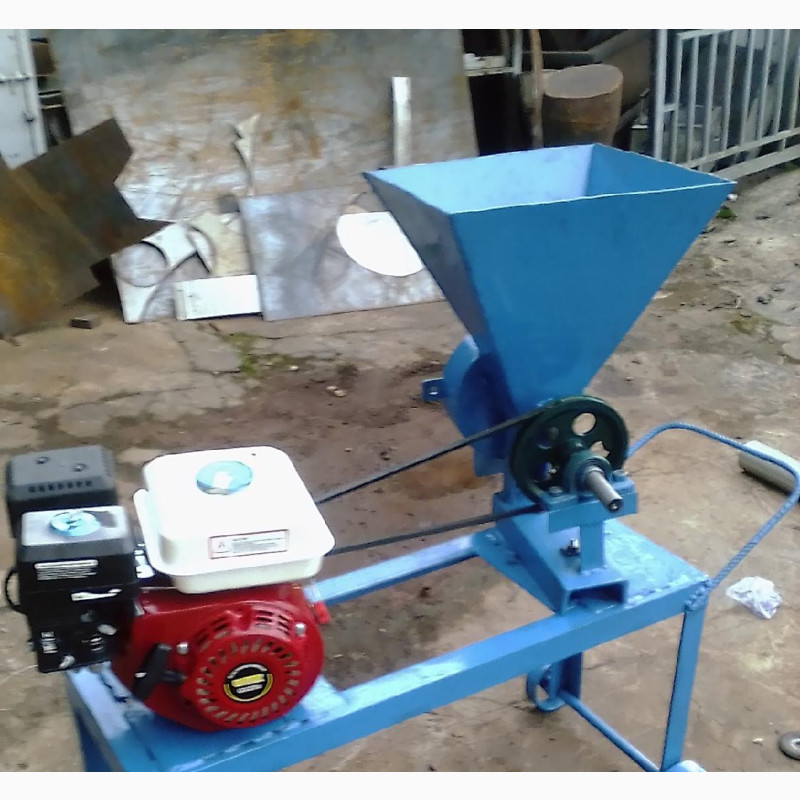
The Federal Institute of Industrial Research, Oshodi (FIIRO) in Lagos has highlighted a concerning correlation between the increasing prevalence of organ failure and cardiovascular illnesses in Nigeria and the use of locally manufactured grinding machines for food processing. According to Dr. Jummai Adamu Tutuwa, the Director-General of FIIRO, recent investigations by the institute reveal that these grinding devices, commonly employed to process staples such as tomatoes, peppers, onions, and melon seeds—especially within Lagos metropolitan areas—contain hazardous levels of heavy metals.
A detailed study conducted in 2013 by FIIRO scientists detected the presence of toxic metals including lead, chromium, nickel, cadmium, and manganese in the food processed by these machines. Additionally, non-toxic metals like calcium, magnesium, zinc, and iron were also found. Alarmingly, the concentration of these contaminants in some samples surpassed the safety thresholds established by the World Health Organization (WHO) and the Food and Agriculture Organization (FAO), particularly in regions with dense traffic and industrial operations.
Health Implications of Heavy Metal Exposure Through Food
Dr. Tutuwa emphasized that while heavy metals naturally exist in the environment, their accumulation in the food chain due to non-biodegradability and persistent exposure poses serious health hazards. Continuous ingestion of food tainted with these metals can lead to severe cardiovascular complications and organ dysfunction, even affecting younger demographics. For instance, cadmium—a metal extensively used in various industries—has been identified as a critical ecotoxicological threat due to its toxicity and ability to bioaccumulate.
Recent health data from Nigeria’s Ministry of Health indicates a 15% rise in cardiovascular disease cases over the past five years, underscoring the urgency of addressing environmental contributors such as food contamination.
Innovative Solutions and Collaborative Efforts to Mitigate Risks
In response to these findings, FIIRO has engineered a stainless-steel grinding machine specifically designed to minimize heavy metal contamination during food processing. This innovation aims to replace the traditional locally fabricated grinders that are prone to leaching harmful metals into food products.
Furthermore, FIIRO is actively seeking partnerships with key stakeholders, including the National Assembly and the Office of the First Lady, to facilitate the mass production, distribution, and maintenance of these safer grinding machines. The institute also advocates for enhanced regulatory frameworks, rigorous enforcement, and widespread public education campaigns to raise awareness about the dangers of contaminated food processing equipment.
Call for Stronger Regulations and Public Awareness
Dr. Tutuwa stressed that combating the health crisis linked to heavy metal contamination requires a multifaceted approach. Strengthening policies, ensuring compliance, and educating communities are vital steps to reduce the incidence of cancer, cardiovascular diseases, and organ failure nationwide. By adopting safer food processing technologies and promoting environmental health standards, Nigeria can significantly lower the burden of these life-threatening conditions.
