
Table of Contents
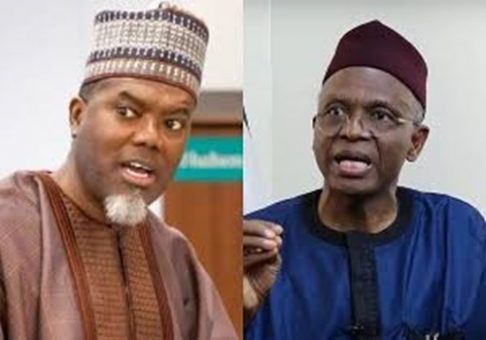
Reno Omokri Condemns Nasir El-Rufai’s Admission of Phone Surveillance
Reno Omokri, a former presidential aide, has publicly denounced Nasir El-Rufai, the ex-governor of Kaduna State, following El-Rufai’s recent interview on Arise TV where he seemingly acknowledged involvement in phone tapping activities. Omokri described this admission as reckless and deeply troubling.
Legal and Ethical Implications of Unauthorized Phone Tapping
In a statement shared on X (formerly Twitter) late Friday, Omokri emphasized that intercepting phone communications without judicial authorization constitutes a criminal offense. He stressed that openly confessing to such acts on national television not only demonstrates a blatant disregard for the law but also implicates El-Rufai as complicit in illegal surveillance.
“Intercepting phone calls without a court-issued warrant is unlawful. Publicly admitting to this on live TV is irresponsible. Acknowledging your role as an accomplice in unauthorized phone surveillance is a clear admission of guilt,” Omokri asserted.
Questions Raised About the Scope of Surveillance
Omokri further challenged El-Rufai to clarify the extent of these surveillance activities, questioning who else might have been targeted by him and his associates. He raised concerns about whether such actions could have aided terrorists or individuals plotting coups by monitoring their intended victims.
“Who else has Nasir El-Rufai and his team been monitoring? Could they have been assisting terrorists or coup conspirators by tapping the phones of their targets?” Omokri questioned.
Implications for Nigeria’s Electoral Integrity
In a subsequent post, Omokri urged El-Rufai to continue revealing information, linking the phone tapping controversy to broader concerns about election security. He highlighted the potential vulnerabilities in Nigeria’s electoral infrastructure, such as the Independent National Electoral Commission’s (INEC) IREV portal and Bimodal Voter Accreditation System (BVAS) devices, suggesting that if high-level officials’ communications can be intercepted, election technologies might also be at risk.
“It’s no surprise that El-Rufai claims he will unseat President Tinubu in 2027. Has he also been monitoring the INEC Chairman’s phone? If the National Security Adviser’s phone can be tapped, then election systems like IREV and BVAS could be compromised,” Omokri warned.
He concluded with a pointed remark: “Nasir El-Rufai, keep speaking. Keep revealing the truth. The more you say, the more you expose yourself.”
Contextualizing the Issue: Surveillance and Governance in Nigeria
Phone tapping and unauthorized surveillance have long been contentious issues in Nigeria’s political landscape. According to a 2023 report by the Nigerian Communications Commission (NCC), complaints about illegal interception of communications increased by 15% compared to the previous year, underscoring growing public concern over privacy violations. This incident involving a prominent political figure reignites debates about the balance between national security and individual rights.
Globally, the misuse of surveillance tools by government officials has led to significant political scandals, such as the 2013 revelations by Edward Snowden regarding mass surveillance by the U.S. National Security Agency. Nigeria’s situation reflects similar challenges in ensuring transparency and accountability in intelligence operations.
