
Table of Contents
UN Highlights Nigeria Among Nations with High Child Soldier Recruitment
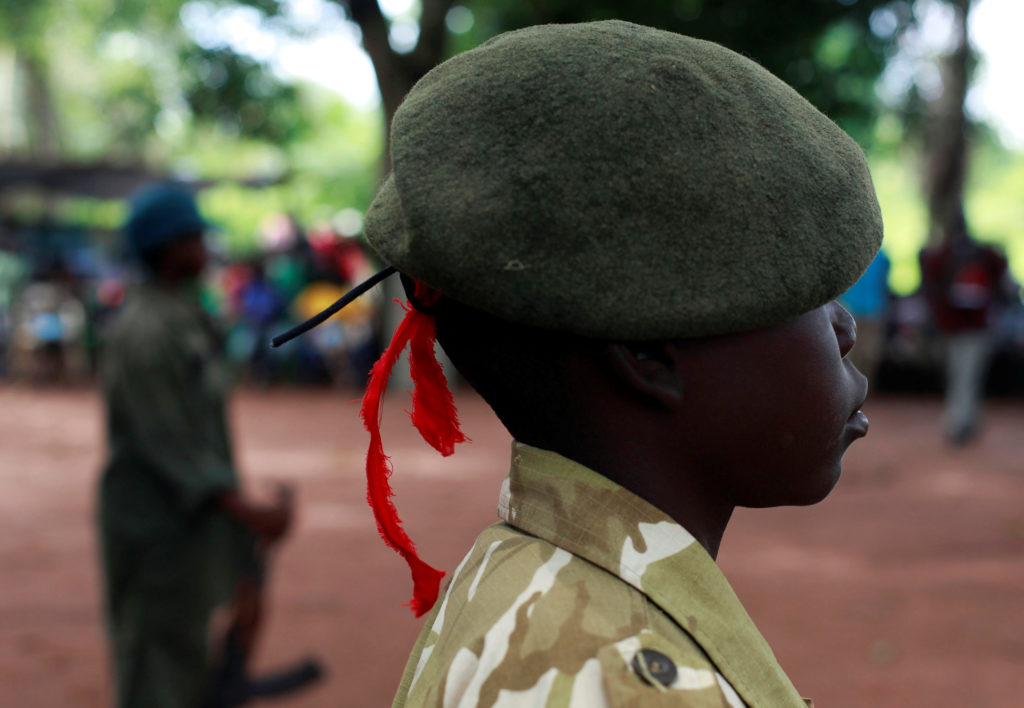
The United Nations has identified Nigeria as one of the countries with alarmingly high rates of child recruitment by armed factions. This revelation comes just before the International Day Against the Use of Child Soldiers, observed annually on February 12, underscoring the ongoing global crisis of child exploitation in conflict zones.
Scope of the Crisis: Global and Local Perspectives
Vanessa Frazier, the UN Special Representative for Children and Armed Conflict, described the recruitment of children as one of the most pervasive and tragic violations in war-torn regions. In 2024 alone, verified reports indicate that over 7,400 children have been forcibly recruited or utilized by armed forces and groups worldwide. Over the past three decades, more than 220,000 children have been rescued from such groups.
Nigeria is listed alongside countries like the Democratic Republic of the Congo, Somalia, Syria, and Myanmar, where violations against children in armed conflicts are most rampant.
Child Soldier Recruitment in Nigeria’s Conflict Zones
For over ten years, northern Nigeria has been plagued by insurgencies, with groups such as Boko Haram and its splinter factions notorious for enlisting children as combatants, informants, and in other capacities. Despite military efforts that have weakened some of these groups, humanitarian organizations warn that children in affected communities remain at significant risk.
Frazier emphasized that the reported numbers represent real children whose lives have been shattered. “Each figure in our data corresponds to a child whose innocence has been stolen,” she said, noting that the actual number of affected children is likely much higher than documented.
Global Monitoring and Efforts to Combat Child Recruitment
The UN monitors approximately 26 conflict zones worldwide, with the highest incidences of child rights violations recorded in the Democratic Republic of the Congo, Nigeria, Somalia, Syria, and Myanmar. Beyond documenting abuses, the UN actively engages with armed groups to negotiate the release of children and ensure their safe reintegration into society.
Once separated from armed groups, UNICEF and partner organizations provide comprehensive support, including psychosocial counseling, educational opportunities, and programs aimed at restoring a sense of normalcy and childhood.
Challenges in Reintegration and the Importance of Prevention
Reintegrating former child soldiers poses significant challenges, especially for girls who often face social stigma and discrimination upon returning to their communities. Frazier highlighted that some girls are unjustly labeled as “damaged,” which hampers their full acceptance and recovery.
She stressed that prevention is crucial to ending child recruitment, with education playing a pivotal role. Children who are out of school are particularly vulnerable to coercion or forced enlistment. Ensuring access to quality education can significantly reduce this risk.
Accountability as a Deterrent
Holding perpetrators accountable is essential in sending a strong deterrent message. Frazier pointed out that prosecuting warlords and armed group leaders for recruiting children—whether in national courts or international tribunals such as the International Criminal Court—reinforces the global commitment to ending this practice.
Voices from the Field: The Human Cost of Conflict
Reflecting on her visits to conflict-affected areas, including encounters with survivors of Boko Haram kidnappings in Nigeria, Frazier shared poignant stories. “You meet a 13-year-old girl holding her baby and realize how profoundly conflict robs children of their childhood,” she said. “Children embody innocence; they have not chosen sides in any war, yet their innocence and youth are stolen. They must never be treated as collateral damage.”
Building Sustainable Peace Through Child Protection
Frazier concluded by emphasizing that safeguarding children through education, effective reintegration programs, and robust accountability mechanisms is vital for fostering lasting peace. Protecting the rights and futures of children is not only a moral imperative but also a foundational step toward stability in conflict-affected regions.
