
Table of Contents
EPA
Escalating Tensions in the Persian Gulf
Ayatollah Ali Khamenei, Iran’s supreme leader, has issued a stern warning that any military aggression against Iran would ignite a broader conflict across the Middle East. This caution comes amid the United States’ ongoing military reinforcement in the region.
Khamenei’s Warning: A Regional Conflagration
According to the semi-official Tasnim news agency, Khamenei emphasized that “if the Americans initiate hostilities, the consequences will extend beyond a localized skirmish, escalating into a regional war.” This statement underscores the heightened stakes as diplomatic and military maneuvers intensify.
Diplomatic Efforts Amid Rising Military Presence
Former US President Donald Trump mentioned that Iran is engaged in “serious discussions” and expressed hope for an “acceptable” resolution. Meanwhile, Iran’s Foreign Minister Abbas Araghchi conveyed optimism in an interview with CNN, stating confidence in reaching an agreement concerning Tehran’s nuclear ambitions.
Araghchi acknowledged a significant erosion of trust towards the US as a negotiation partner but highlighted that indirect communications through allied nations in the region have fostered “productive” dialogue with Washington.
Adding to the diplomatic developments, Iran’s senior security official Ali Larijani noted progress in establishing a framework for ongoing negotiations.
US Military Reinforcements in the Arabian Sea
In response to the escalating tensions, the United States has deployed the aircraft carrier USS Abraham Lincoln to the Persian Gulf vicinity. US Central Command confirmed its operational presence in the Arabian Sea, signaling a strategic posture aimed at deterring potential Iranian aggression.
Khamenei dismissed the US naval buildup as ineffective intimidation, stating, “The Iranian people will not be frightened by these maneuvers.”
Strategic Importance of the Strait of Hormuz
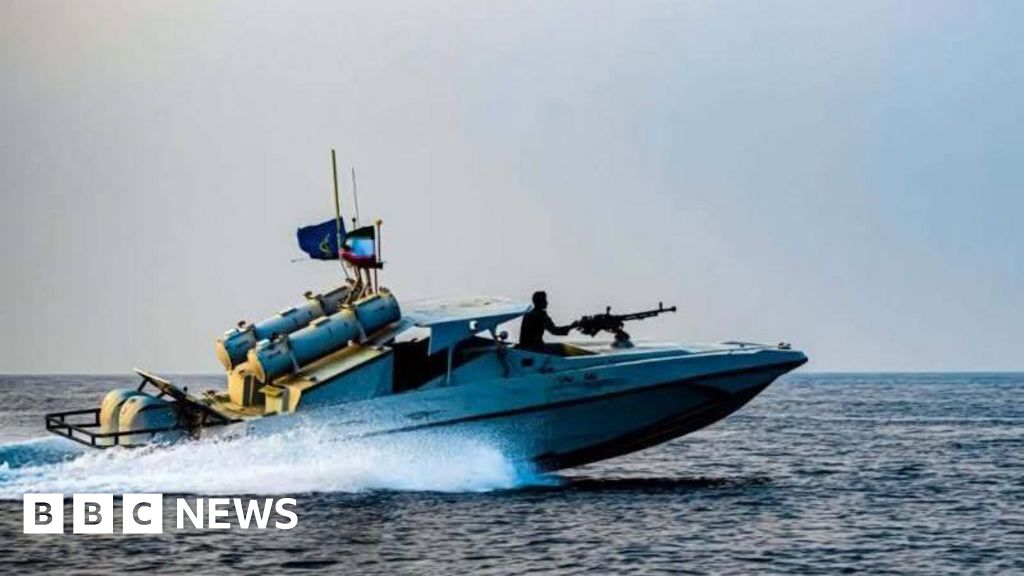
Iran had initially announced plans to conduct a two-day live-fire naval drill in the Strait of Hormuz, a critical maritime chokepoint through which approximately 20% of the world’s traded oil transits. This narrow passage, measuring roughly 33 kilometers (21 miles) at its slimmest point between Iran and Oman, is vital for global energy security.
However, Reuters later reported that an Iranian Revolutionary Guards Corps (IRGC) official denied any imminent naval exercises, reflecting possible strategic recalibrations amid international scrutiny.
Potential Threats to Global Energy Supply
Historically, Iran has threatened to close the Strait of Hormuz in retaliation to foreign attacks, a move that would severely disrupt global oil markets. The US has issued warnings against any “reckless or unprofessional” actions by Iranian forces near American military assets in the area.
In response, Araghchi criticized the US military’s stance, asserting, “It is unacceptable for the US to attempt to dictate how our armed forces conduct their own training exercises within our territorial waters.”
Recent Explosions Heighten Domestic Concerns
On the weekend, two separate explosions in Iran intensified domestic unease. In Bandar Abbas, a southern port city, a blast resulted in one fatality and injured 14 others. Authorities attributed the incident to a gas leak, while Tasnim refuted social media claims that a Revolutionary Guards naval commander was targeted.
Similarly, in Ahvaz, located in southwestern Iran, another explosion caused at least four deaths, with local officials again citing a gas leak as the cause, according to the Tehran Times.
US Demands and Human Rights Concerns
Earlier in the week, Trump outlined two conditions for Iran to avoid US military intervention: cessation of nuclear weapons development and an end to the suppression of protesters. The ongoing unrest in Iran has led to significant casualties.
The US-based Human Rights Activists News Agency reports over 6,300 confirmed deaths since protests erupted in late December, with investigations ongoing into an additional 17,000 cases. Meanwhile, the Norway-based Iran Human Rights organization warns that the death toll could surpass 25,000.
Khamenei’s Response to Domestic Unrest
In his recent remarks, Khamenei accused demonstrators of attacking law enforcement, the IRGC, and public institutions including banks and mosques. He declared that the attempted “coup” had been successfully quashed, according to Tasnim.
