
Table of Contents
Addressing the Rising Demand for Elderly Care in Nigeria
Innovative Approaches to Senior Care in the Region
As Nigeria experiences a significant increase in its senior population, the necessity for expert elder care services has never been more urgent. A leading organization in the region is revolutionizing the landscape of elderly care by offering tailored services and extensive training programs for caregivers, ensuring that seniors receive compassionate and professional support.
Growing Elderly Demographics and Health Challenges
Currently, Nigeria is home to over 12 million individuals aged 60 and above, a figure projected to rise steadily in the coming decades. This demographic shift has led to a surge in age-related health issues such as Alzheimer’s disease, dementia, stroke, and diabetes. According to recent health surveys, these chronic conditions affect a substantial portion of the elderly, underscoring the critical need for specialized care.
Barriers to Quality Elder Care
Despite the increasing demand, many Nigerian seniors face challenges in accessing qualified caregivers and structured care environments. The scarcity of trained professionals and limited oversight in caregiving services often result in inadequate support for the elderly, impacting their quality of life and health outcomes.
Empowering Caregivers Through Comprehensive Training
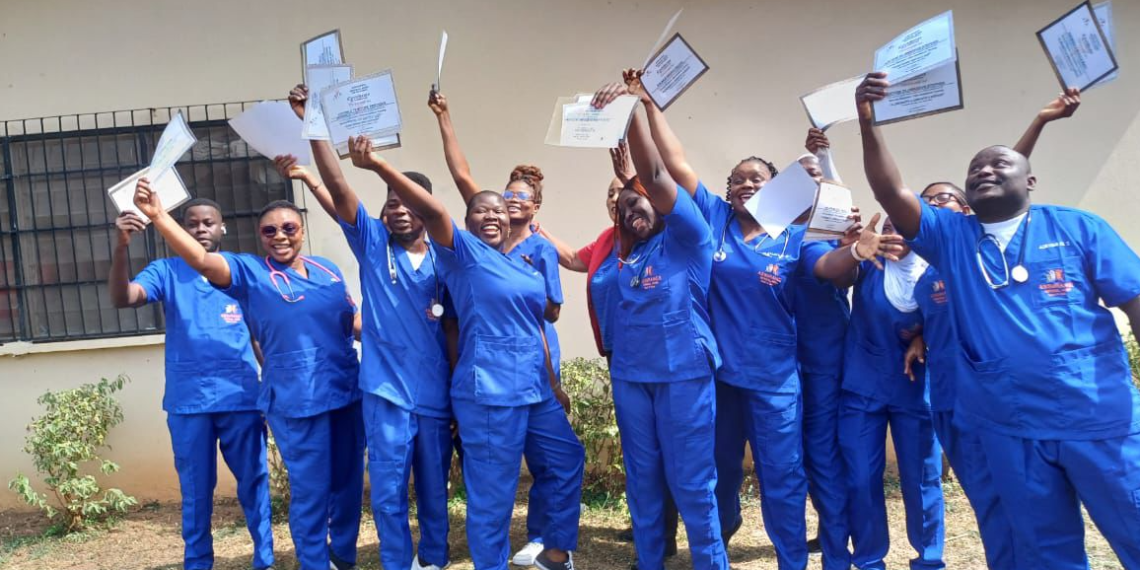
To bridge this gap, pioneering elder care providers are implementing rigorous training programs that equip caregivers with the skills necessary to manage complex health conditions and provide emotional support. These initiatives not only enhance the standard of care but also promote dignity and respect for the elderly.
Looking Ahead: The Future of Elder Care in Nigeria
With the elderly population expected to double by 2050, innovative elder care models that combine professional expertise with culturally sensitive approaches are essential. For example, community-based care centers that integrate modern healthcare with traditional support systems are emerging as effective solutions. These centers foster social engagement and provide holistic care, addressing both medical and psychosocial needs.
By investing in specialized services and caregiver education, Nigeria is taking vital steps toward ensuring that its aging citizens receive the quality care they deserve, setting a benchmark for elder care across the region.
