
Table of Contents
Russia Joins Trilateral Peace Negotiations with US and Ukraine in Abu Dhabi
Historic First Meeting Aims to Address Ongoing Conflict
For the first time, Russia is set to participate in trilateral peace discussions alongside the United States and Ukraine, with the summit scheduled to take place today in Abu Dhabi, according to official statements from the Kremlin. This marks a significant development in diplomatic efforts to resolve the protracted conflict in Eastern Europe.
Background: Diplomatic Exchanges Leading Up to the Talks
The announcement follows a series of high-profile meetings, including a dialogue between US President Donald Trump and Ukrainian President Volodymyr Zelenskyy at the World Economic Forum in Davos. Additionally, a separate delegation from the United States met with Russian President Vladimir Putin in Moscow, underscoring the intensifying diplomatic engagement.
Details of Russian Participation and Negotiation Dynamics
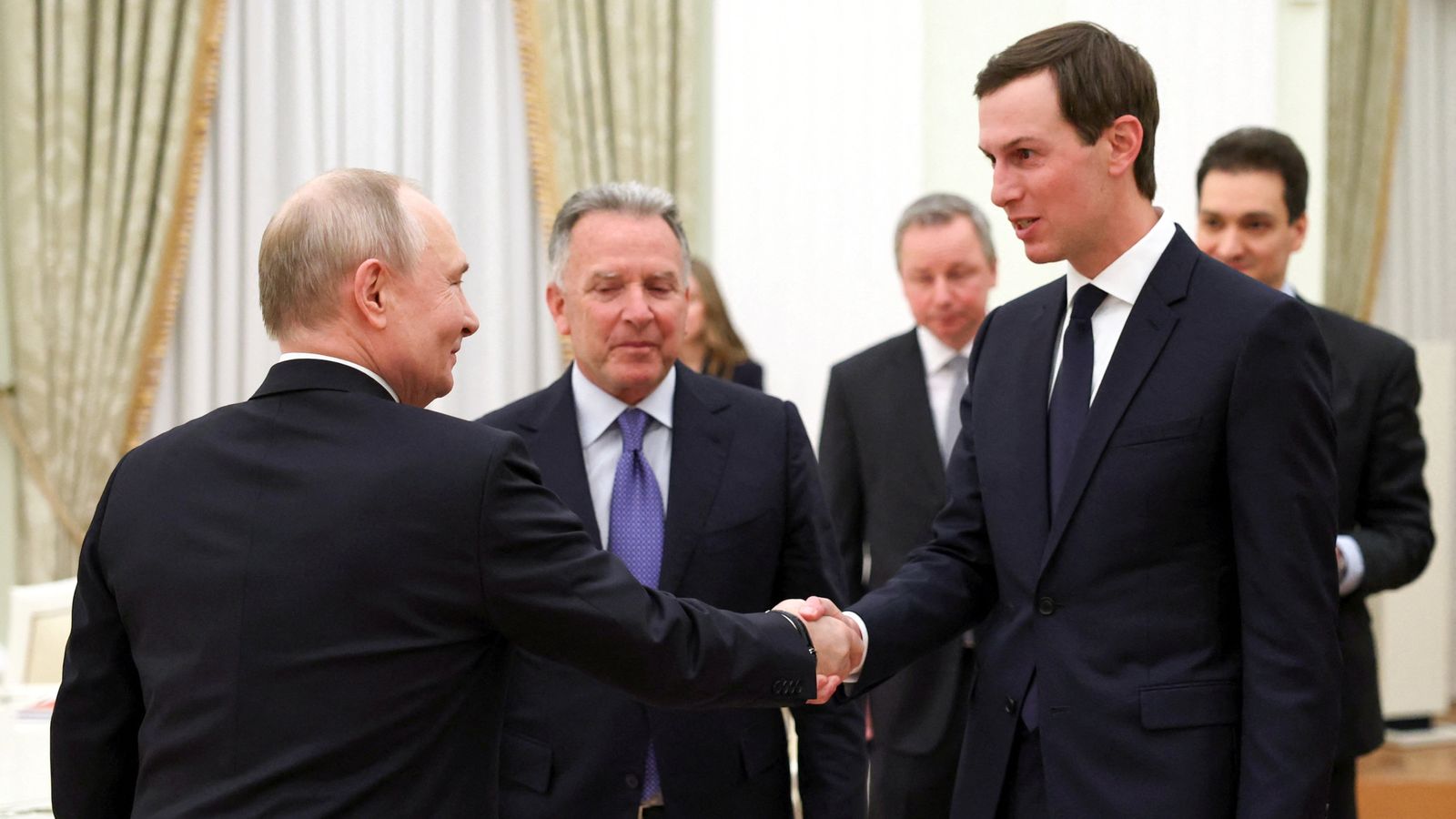
Russia’s involvement was confirmed after President Putin engaged in an extensive four-hour discussion with Trump’s peace envoy, Steve Witkoff, and Jared Kushner, the US president’s son-in-law. Russian officials characterized these talks as “highly substantive, constructive, and marked by openness and trust,” though they cautioned that a definitive resolution remains uncertain.
Moscow reiterated its longstanding stance that a sustainable peace agreement hinges on resolving territorial disputes, referencing frameworks discussed during the Trump-Putin summit in Alaska last year. Until a diplomatic accord is reached, Russia intends to maintain its military operations.
Ukraine’s Position and Delegation for the Abu Dhabi Talks
Ukrainian President Zelenskyy indicated that the trilateral meeting was a last-minute initiative from Washington, arranged shortly after his Davos meeting with Trump. Kyiv will be represented by its chief negotiator, Rustem Umerov, alongside Zelenskyy’s chief of staff, Kyrylo Budanov. On the Russian side, Admiral Igor Kostyukov is slated to lead the delegation at the UAE-hosted security discussions.
Territorial Disputes: The Core Challenge
Although no formal agreement emerged from the Alaska summit in August, it is believed that Putin proposed Russia’s retention of the eastern Donetsk and Luhansk regions, including territories not currently under Russian control, in exchange for halting hostilities. Zelenskyy has publicly rejected such terms, emphasizing that conceding these areas would dismantle Ukraine’s critical defensive “fortress belt” and expose the country to further aggression.
European Response and Zelenskyy’s Critique
Following his speech in Davos, Zelenskyy voiced frustration over Europe’s perceived sluggish response to the conflict, warning against repeating past mistakes. “A year ago, I urged Europe to learn how to defend itself – yet, little has changed,” he remarked.
In response, European Commission President Ursula von der Leyen highlighted the EU’s substantial support for Ukraine, noting that over €193 billion has been allocated in the past four years, with an additional €90 billion approved for the coming two years.
Outcomes and Future Prospects
Zelenskyy described his meeting with Trump as positive, revealing that a peace plan is “nearly finalized.” However, both Kyiv and Moscow remain entrenched in their territorial demands, seeking Washington’s backing for their respective positions.
Before departing Davos, Zelenskyy announced agreements on a new air defense package for Ukraine and claimed that Russian forces are incurring monthly casualties estimated at around 45,000 troops, underscoring the ongoing intensity of the conflict.
Conclusion: A Pivotal Moment in Peace Efforts
The trilateral talks in Abu Dhabi represent a critical juncture in the search for a diplomatic resolution to the Ukraine crisis. While challenges persist, particularly regarding territorial sovereignty, the engagement of all three parties signals a renewed commitment to dialogue amid a complex and evolving geopolitical landscape.
